


The best casino bonus UK players can find in 2026 looks nothing like the offers that dominated the market eighteen months ago. On 19 January 2026, the UK Gambling Commission enforced a maximum wagering requirement of 10x on all promotional offers — a rule that, overnight, made the old 40x-and-above playthrough models illegal. I have spent eight years analysing operator licensing and promotional compliance, and this single regulatory change has done more to reshape the bonus landscape than anything since the 2020 credit card ban.
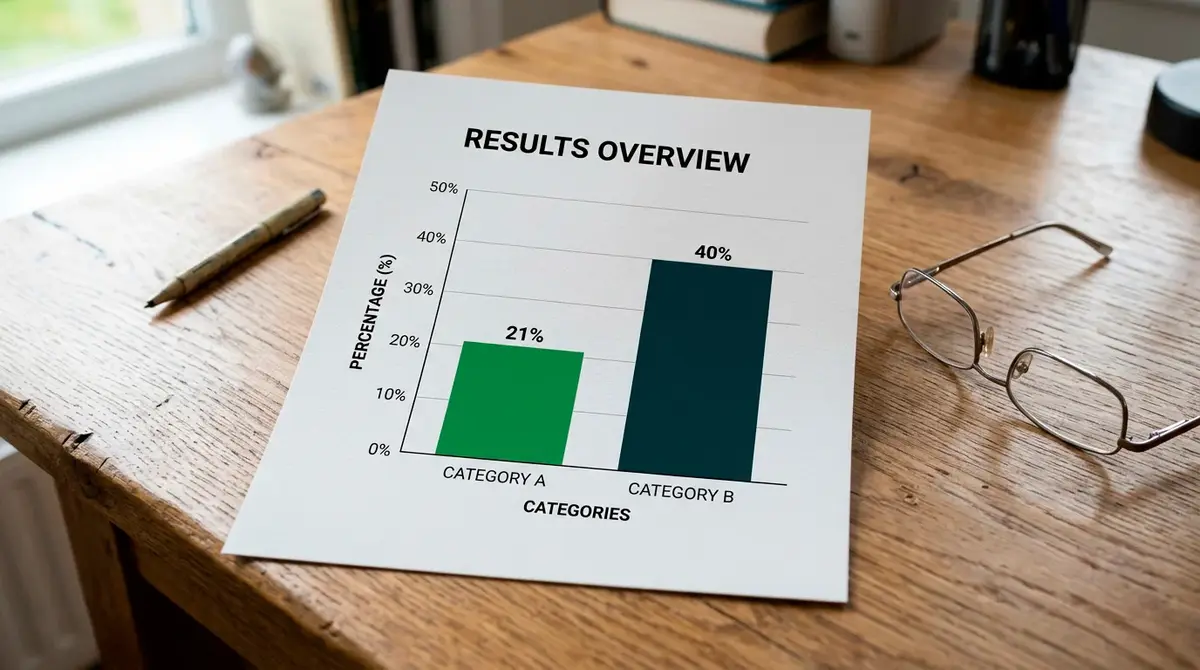
That rule change didn’t arrive in isolation. Three months later, in April 2026, Remote Gaming Duty jumped from 21% to 40%, nearly doubling the tax burden on every pound of online casino revenue generated in the UK. The combined pressure of lower wagering ceilings and higher taxes has forced operators to rethink every promotional structure — from the size of deposit matches to the existence of reload bonuses entirely. What remains is a leaner, more transparent set of offers, but one that demands a sharper eye from anyone evaluating them.
This guide breaks down how bonus mechanics actually work in the post-cap environment, what the tax increase means for the offers you see advertised, and how to assess whether a promotion carries real value or just headline appeal. I’m not ranking operators or listing “top picks.” I’m explaining the machinery so you can do the maths yourself.
The offers with no playthrough at all: no wagering bonuses.
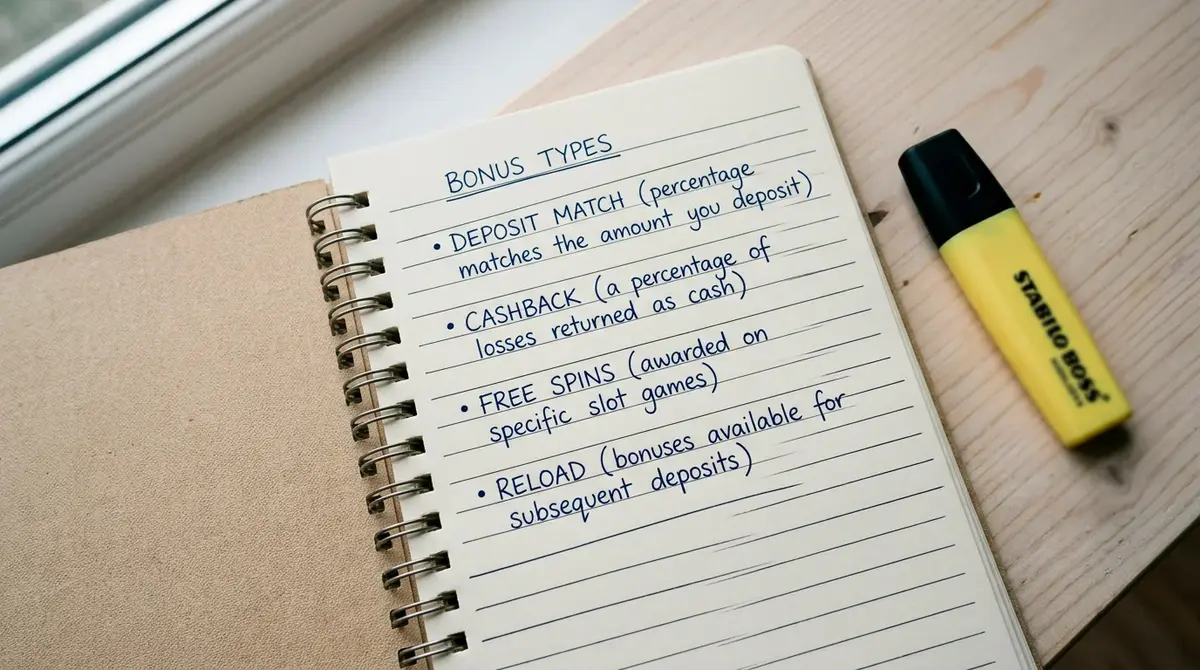
Types of Casino Bonuses Available to UK Players
Last year, I ran a compliance audit on a mid-size operator’s promotional suite. They had fourteen distinct bonus types listed in their terms and conditions. By March 2026, that number was down to five. The wagering cap didn’t just change the maths — it killed entire categories of promotion that only made economic sense under high-playthrough models.
What survived is worth understanding in detail, because the labels operators use are inconsistent. One platform’s “welcome bonus” is another’s “deposit match,” and the underlying mechanics vary more than the names suggest.
Deposit match bonuses remain the most common welcome offer at UK-licensed casinos. The operator matches a percentage of your first deposit — typically 100% — up to a capped amount. Under the old regime, a 100% match to £200 with 40x wagering meant you needed to wager £8,000 in qualifying bets before withdrawing. Under the 10x cap, that same £200 bonus requires £2,000 in wagers. The face value of the bonus hasn’t changed, but the practical value has increased substantially because the completion barrier dropped by 75%.
That said, many operators responded to the cap by reducing the match percentage or lowering the maximum bonus amount. A 100% match to £200 might now appear as a 50% match to £100. The regulatory intention — making bonuses more transparent and completable — succeeded. Whether individual offers became “better” depends entirely on how you define the word.
No-wagering bonuses existed before the cap but occupied a narrow niche. Now they sit in an interesting position: if the maximum wagering is 10x, a zero-wagering offer has a smaller competitive advantage than it did when the alternative was 40x or 60x. Some no-wagering operators have responded by emphasising other differentiators — faster withdrawal processing, higher maximum cashout limits, or broader game eligibility. The category hasn’t disappeared, but its unique selling point has been diluted by regulation.

Free spins — bundled with a deposit match or offered standalone — continue to feature in most welcome packages. The key variable isn’t the number of spins but the value per spin and whether winnings carry their own wagering requirement. A bundle of 50 free spins at £0.10 each delivers £5.00 in total spin value. If winnings from those spins carry a 10x wagering requirement, you’re looking at a different proposition than spins with no attached playthrough. I’ve written a detailed breakdown of how no-deposit free spins work in practice, including the fine print that limits what you actually walk away with.
Cashback offers return a percentage of net losses over a defined period — daily, weekly, or monthly. These promotions gained ground in 2025-2026 because they sidestep the wagering conversation entirely. Cashback credited as real funds (not bonus balance) doesn’t require playthrough, which makes it arguably the most straightforward promotional structure available. The trade-off: cashback percentages are typically low, ranging from 5% to 15%, and usually carry a maximum cap.
Reload bonuses target existing customers with periodic deposit-match offers. These were already less generous than welcome packages, and the combined effect of the wagering cap and tax increase has thinned them further. Many operators have replaced scheduled reload bonuses with ad-hoc promotions triggered by player behaviour — a shift that makes the promotional calendar less predictable but, in theory, more personalised.
The January 2026 rules also banned mixed-product promotions, meaning an operator can no longer bundle a casino bonus with a sportsbook free bet in a single offer. This was a common acquisition tactic for multi-vertical operators, and its removal has simplified the bonus landscape but also reduced the total promotional value available to players who use both products.
Wagering Requirements Explained: From 40x to the New 10x Maximum
A colleague of mine once described wagering requirements as “the distance between the headline and the cashier.” That metaphor holds up better than most. The headline says “£100 bonus.” The wagering requirement tells you how far you have to walk — through qualifying bets, game contribution weightings, time limits, and maximum bet restrictions — before that bonus becomes withdrawable cash.
Here’s how the maths works in plain terms. When an operator attaches a 10x wagering requirement to a £100 bonus, you need to place £1,000 in total bets on eligible games before the bonus balance converts to real funds. You’re not expected to lose £1,000 — wagering is measured by total stake turnover, not net losses. If you bet £10 per spin across 100 spins, you’ve wagered £1,000 regardless of whether you won or lost on each individual spin.
The critical difference between the old regime and the current one isn’t subtle. Before 19 January 2026, wagering requirements of 35x to 70x were standard across UKGC-licensed operators. The median sat around 40x for deposit match bonuses. That meant a £100 bonus required £4,000 in wagers — a volume that only a small percentage of bonus claimants ever completed. Industry data suggested that under high-wagering models, roughly 5% to 12% of players actually cleared the requirements and withdrew bonus-derived funds. The rest either abandoned the bonus, lost the balance during playthrough, or had the bonus expire before completion.
The Gambling Commission’s rationale for imposing the 10x ceiling was rooted in transparency and harm reduction. High wagering requirements created a structural deception: the advertised bonus amount bore little relationship to the amount a player could realistically expect to withdraw. The 10x cap makes the bonus more completable, which also makes the actual cost to the operator more predictable — and more significant per claim.
Let me walk through a side-by-side calculation to make this concrete.
Scenario: £50 deposit, 100% match, playing slots with an average RTP of 96%.
Under the old 40x model, the £50 bonus required £2,000 in wagers. At 96% RTP, your expected return across £2,000 in wagers is £1,920 — meaning you’d expect to lose £80 to the house during playthrough. But your starting bonus was only £50. Statistically, you’d burn through the bonus before completing the requirement. The expected value of that bonus was negative for the player.
Under the current 10x model, the same £50 bonus requires £500 in wagers. At 96% RTP, your expected return across £500 is £480, meaning an expected loss of £20 during playthrough. Your starting balance (£50 bonus plus whatever remains of your £50 deposit) gives you a meaningful cushion. The probability of completing the wagering and having a withdrawable balance is dramatically higher.
This calculation simplifies reality — it doesn’t account for variance, session length, or game selection — but it illustrates the fundamental shift. The 10x cap moved bonuses from “statistically unreachable for most players” to “completable with reasonable play.”

There’s a wrinkle, though. Not all games contribute equally to wagering. Most operators weight slots at 100% contribution, meaning every £1 wagered on slots counts as £1 toward the requirement. Table games typically contribute 10% to 25%, and live dealer games often contribute even less — sometimes 0%. If you claim a £50 bonus and play exclusively live blackjack at a 10% contribution rate, your effective wagering requirement isn’t 10x but 100x. The 10x cap applies to the base requirement, not to the contribution-adjusted requirement.
Time limits add another layer. Most bonuses expire within 7 to 30 days if the wagering isn’t completed. The 10x cap makes completion within that window far more realistic, but it still requires active play. A player who deposits, claims a bonus, and then doesn’t log in for three weeks will lose the bonus regardless of the wagering multiplier.
Maximum bet restrictions during wagering — typically £5 per spin or per round — prevent players from placing large bets to clear the requirement quickly. This rule predates the wagering cap and remains in force. If you exceed the maximum bet while wagering, the operator can void your bonus and any associated winnings. I’ve reviewed dozens of player complaints where this exact scenario led to confiscated funds, and the operators were consistently upheld by ADR providers. The rule is strict and uniformly enforced.

How the 40% Remote Gaming Duty Affects Bonus Generosity
I sat in on a panel at ICE London in February 2026 where a senior executive from a top-five operator said, bluntly, that their UK promotional budget had been cut by a third. The reason wasn’t the wagering cap. It was the tax bill.
Remote Gaming Duty — the tax UK-licensed operators pay on their gross gambling yield — jumped from 21% to 40% on 1 April 2026. To understand what that means for bonuses, you need to follow the money. Every pound an operator earns from online casino games is now taxed at nearly double the previous rate. The margin that funds promotional offers, customer acquisition, and operational costs has been compressed in a way the industry hasn’t experienced before.
Grainne Hurst, the CEO of the Betting and Gaming Council, called the increase “a devastating hammer blow to tens of thousands of people working in the industry across the UK, and millions of customers who enjoy a bet.” That language might sound like lobbying, but the financial filings back it up. Flutter Entertainment — the parent company behind some of the UK’s largest brands — estimated net EBITDA losses of approximately $235 million in 2026 and $339 million in 2027 as a direct result of the tax changes, even after implementing cost-reduction measures.
Those aren’t abstract corporate numbers. They translate directly into the offers available to players. When an operator’s tax rate nearly doubles, the cost of every bonus increases proportionally. A £100 deposit match that previously cost the operator roughly £21 in tax (on the expected GGY from that player’s activity) now costs approximately £40. The operator’s response is predictable: either the bonus shrinks, the eligibility tightens, or the offer disappears.
The practical effects are already visible. Welcome offers have contracted — both in match percentage and in maximum amounts. Reload bonuses have become less frequent, with some operators eliminating them entirely for UK customers while maintaining them in less heavily taxed markets. Free spins packages are smaller, and the value per spin has, in many cases, been reduced.
There’s a secondary effect that receives less attention. The tax increase doesn’t just affect bonuses — it influences the game portfolio operators choose to license and promote. Games with higher RTP cost the operator more per pound wagered, because the operator retains less margin after the house edge and then pays 40% of that margin in tax. Some industry analysts predict that operators will gradually steer promotional weighting toward lower-RTP titles or games with higher house edges, not by removing high-RTP options but by featuring them less prominently.
The Office for Budget Responsibility forecasts that gambling tax receipts will reach £5 billion in the 2026-27 fiscal year — a 24.8% increase over the prior year. That growth comes from somewhere, and it comes from the operators’ gross yield, which in turn comes from player activity. The chain is direct: higher tax means less money available for promotions, which means the bonuses you see advertised in mid-2026 carry smaller face values, tighter terms, or both.
The full picture is in our guide to UK real-money online casinos.
None of this makes bonuses worthless. It makes them different. The 10x wagering cap genuinely improved the probability of completing a bonus. The 40% tax rate reduced the size of what’s on offer. Whether the net effect is positive or negative for players depends on how you used bonuses in the first place.
Evaluating a Bonus Offer: What to Check Before You Claim
Every week, I receive emails from readers asking whether a specific bonus is “worth it.” My answer is always the same: worth it compared to what? A bonus isn’t inherently good or bad. It’s a set of contractual terms that either align with how you intend to play or don’t. The skill is knowing what to look for before you click “claim.”
Start with the wagering multiplier. Under the 10x cap, this is now bounded, but operators aren’t required to set it at 10x. Some have opted for 5x or 7x, while others sit at the maximum. A lower wagering multiplier means fewer total bets required to clear the bonus — which, at a mathematical level, means less expected loss during playthrough. If two bonuses are identical except for their wagering requirement, the one with the lower multiplier always carries more expected value.

Next, check game contribution weightings. This is where most players lose money they didn’t expect to lose. If you plan to play live blackjack but the bonus terms weight live dealer games at 0% contribution, your wagering progress is zero regardless of how much you bet. Slots almost always count at 100%. Table games vary between 10% and 50% depending on the operator. If your preferred game type contributes less than 100%, multiply the stated wagering requirement by the inverse of the contribution percentage to get your effective requirement. A 10x bonus with 20% table game contribution is effectively 50x for a table game player.
Maximum bet limits during wagering typically sit between £2.50 and £5.00 per spin or round. Exceeding this limit — even once — can void the bonus and all associated winnings. The terms usually state this explicitly, but it’s buried in a document most players skim. If you tend to play at higher stakes, a bonus with a low max-bet limit during wagering creates a friction point that may not be worth the hassle.
Time limits define the window within which you must complete the wagering. Seven days is tight. Thirty days is comfortable for most players. If the bonus expires before you finish, both the bonus balance and any winnings derived from it are forfeited. With a 10x requirement, completing within a week is realistic for regular players — but if you only log in occasionally, shorter expiry windows become a meaningful risk.
Maximum cashout caps limit how much you can withdraw from bonus winnings. This is particularly common with free spin promotions. If a no-deposit free spin offer carries a £20 maximum cashout, your theoretical winnings are capped regardless of what the spins produce. Uncapped bonuses — where you can withdraw everything you win — are less common but significantly more valuable when they appear.
Finally, consider the RTP of the games you’ll play during wagering. The average RTP across UK online slots sits around 96%, meaning the house retains 4% of every pound wagered over time. During a 10x wagering period on a £50 bonus, you’ll wager £500. At 96% RTP, your expected loss during wagering is £20. That’s the statistical cost of clearing the bonus. If the bonus itself is worth £50, you’re ahead by £30 in expected terms. But if you choose a game with 92% RTP, your expected loss rises to £40, cutting your expected surplus to £10. Game selection during wagering isn’t a footnote — it’s a core variable in the equation.
I keep a spreadsheet for this. For every bonus I evaluate, I calculate the expected value using the formula: Bonus Amount minus (Total Wagering multiplied by (1 minus Game RTP)). If the result is positive, the bonus has positive expected value. If it’s negative, the playthrough costs more than the bonus is worth. The 10x cap means most deposit-match bonuses now land in positive expected-value territory for slot players — a genuine structural improvement over the pre-cap era.
Casino Bonus FAQ
Articles
Created by the "onlinecasinorealmoneyuk.com" editorial team.