


Every few weeks, a new online casino appears on the UK market. New branding, new domain name, fresh promotional push. Having reviewed over a hundred of these launches across my career, I can tell you that the overwhelming majority are not genuinely new businesses. They are new front-ends — a fresh skin on an established platform, operated by a company that already holds a UKGC licence and runs multiple other brands. Understanding this distinction is the first step in evaluating whether a new casino site is worth your time or whether it is simply recycled infrastructure with a new logo.
What a UK licence guarantees: safe online casinos.

White-Label vs Proprietary: What “New” Actually Means
The UK online casino market is dominated by a handful of large operators running dozens of brands each. When a new site launches, it almost always falls into one of two categories. White-label operations use a platform provider’s existing technology, game integrations, and payment infrastructure under a new brand name. The new brand may hold its own UKGC licence or operate under the platform provider’s licence. Proprietary launches, where a genuinely new company builds its own technology and secures its own licence, are rare — the cost and time involved in UKGC licensing make it impractical for most new entrants.
The white-label model is not inherently bad. It means the underlying technology has been tested, the payment processing is established, and the game library is immediately comprehensive. The risk sits in the operational layer above the platform — customer support quality, withdrawal processing speed, promotional terms, and how aggressively the brand pushes marketing boundaries. A white-label operator using a reputable platform can still offer poor customer service or misleading bonus terms.
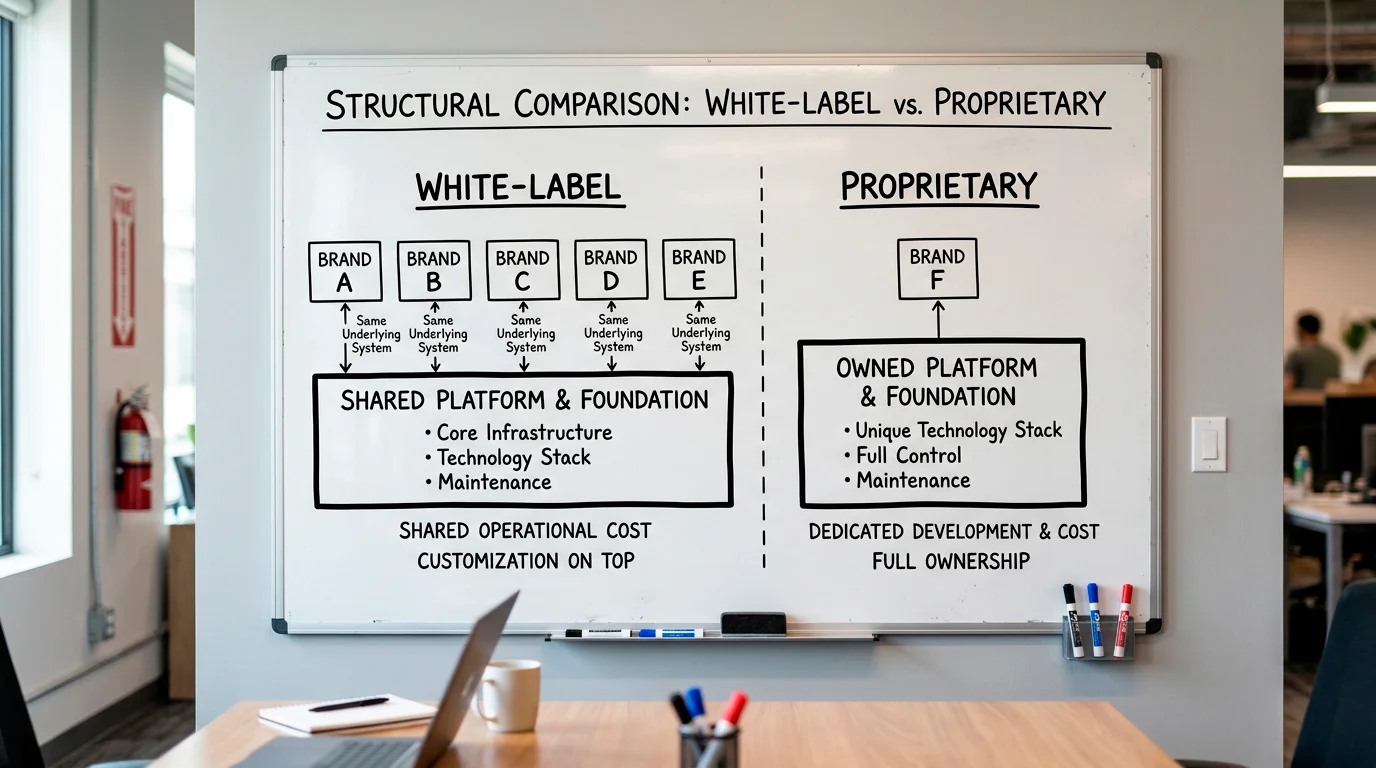
To identify which model a new site uses, check the UKGC licence register. Search for the operator’s company name (usually listed in the site’s terms and conditions or footer). If the company holds multiple licences or operates other casino brands, you are looking at a multi-brand operator launching a new skin. If the company name is unfamiliar and holds only the one licence, it may be a genuinely new entrant — though this is less common.
Licence Checks: The Non-Negotiable First Step
I keep repeating this across every article because it bears repeating: the UKGC licence is not optional. A new site without a valid licence — or one operating under a licence that belongs to a different entity — is not legal in the UK market. Verifying the licence takes thirty seconds: visit the Gambling Commission’s website, search the operator’s name, and confirm the licence status is “active.” The licence number should also be displayed on the casino’s website, typically in the footer.
New operators sometimes launch before their licence is fully activated or before all conditions are met. I have seen cases where a site goes live, accepts registrations, and even accepts deposits while final licence conditions are still being resolved. This is a compliance violation, but it happens. If a new site cannot produce a verifiable, active UKGC licence number, walk away. The UK accounts for 9.4% of the global online gambling market — there are hundreds of licensed alternatives.

Beyond the licence itself, check whether the operator has been subject to any regulatory actions. The UKGC publishes enforcement decisions, including fines, licence reviews, and licence revocations. A newly launched brand operated by a company with a history of regulatory sanctions is a different proposition from one operated by a company with a clean compliance record.
Evaluating Game Selection, Payment Methods, and Support
During a compliance review of a newly launched site last spring, I noticed that the game library was identical — down to the sort order — to three other brands owned by the same operator. The only differences were the colour scheme and the logo. This is standard in multi-brand operations, and it is not a concern in itself. What matters is whether the games are supplied by reputable, licensed providers (Pragmatic Play, NetEnt, Evolution Gaming, Red Tiger, and similar) and whether the RTP information is published and accessible.
Payment methods at new sites tend to mirror the platform provider’s existing integrations. Look for the basics: Visa and Mastercard debit cards, PayPal, bank transfer. The absence of major payment methods (particularly PayPal, which conducts its own due diligence on gambling partners) can indicate a less established operation. Withdrawal processing times are the most revealing metric — a new site that takes 72 hours or more to process a withdrawal request may be managing cash flow constraints or running manual approval processes that more established operators have automated.
The full picture is in our guide to UK real-money online casinos.

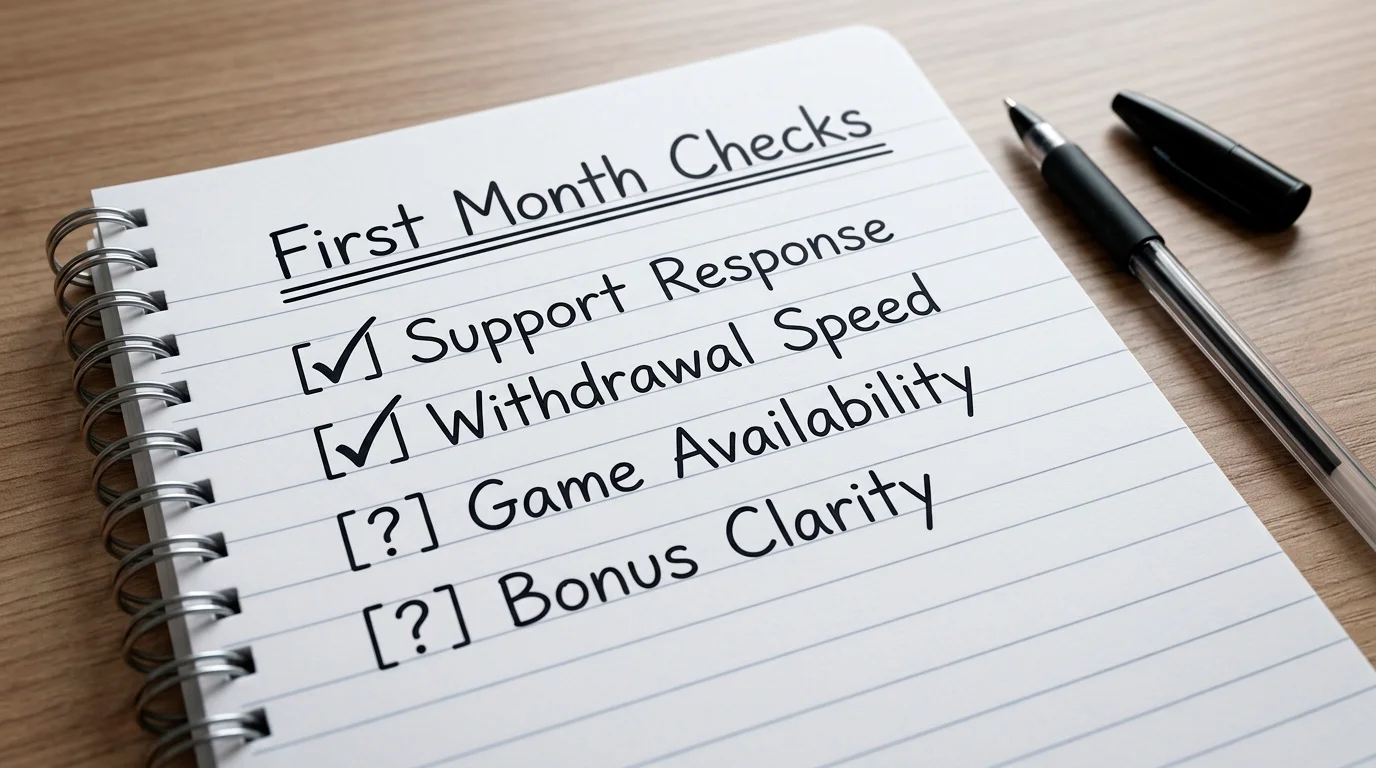
Customer support quality at new sites is unpredictable. Many launch with live chat staffed during limited hours and email support with response times of 24-48 hours. Test the support before you deposit: send a pre-registration query and measure how quickly and helpfully you receive a response. If support is slow or unhelpful before you are a customer, it will not improve after you deposit. The payout speed analysis provides broader context on what processing times to expect across the market.
Promotional Offers at New Sites: Reading Beyond the Headline
New casino sites almost always launch with aggressive promotional terms designed to attract an initial player base. The 10x wagering cap imposed by the UKGC in January 2026 limits how onerous bonus conditions can be, but the cap applies only to the wagering multiplier — it does not regulate maximum cashout caps, game restrictions, time limits, or minimum deposit requirements. A new site advertising a welcome offer with 5x wagering and a £20 maximum cashout may look generous until you calculate the expected return after the cap truncates any significant win.
Compare the promotional terms across similar offers from established and new operators. The Remote Gaming Duty increase from 21% to 40% in April 2026 squeezed margins across the entire industry, which means every operator — new or established — has less room to fund generous promotions. If a new site’s offers look dramatically more generous than the market average, check the terms meticulously. The difference is almost always recouped through tighter caps, stricter game restrictions, or shorter expiry windows.

Be particularly cautious with new sites offering large no-deposit bonuses. These are expensive for operators to fund, and a newly launched brand offering substantially higher no-deposit value than established competitors is either absorbing a loss to build a customer base (sustainable for a short period) or offsetting the apparent generosity with restrictive terms that limit actual cashout potential.
The First-Month Test: What to Watch After You Sign Up
If you decide to register at a new site, treat the first month as a trial period with minimal financial commitment. Deposit a small amount — the minimum allowed — and test the full cycle: deposit, play, request a withdrawal. The withdrawal test is the most important. A site that processes deposits instantly but delays withdrawals by days or weeks is exhibiting a pattern you want to identify early.
Check that responsible gambling tools are fully functional: set a deposit limit and verify it is enforced, request a time-out and confirm it locks your account for the specified period, access your transaction history and verify it is complete and accurate. These tools are mandated by the UKGC, but implementation quality varies, and new sites occasionally launch with incomplete responsible gambling infrastructure — a compliance issue that should resolve quickly but that you should not assume is harmless in the meantime.
Articles
Created by the "onlinecasinorealmoneyuk.com" editorial team.