

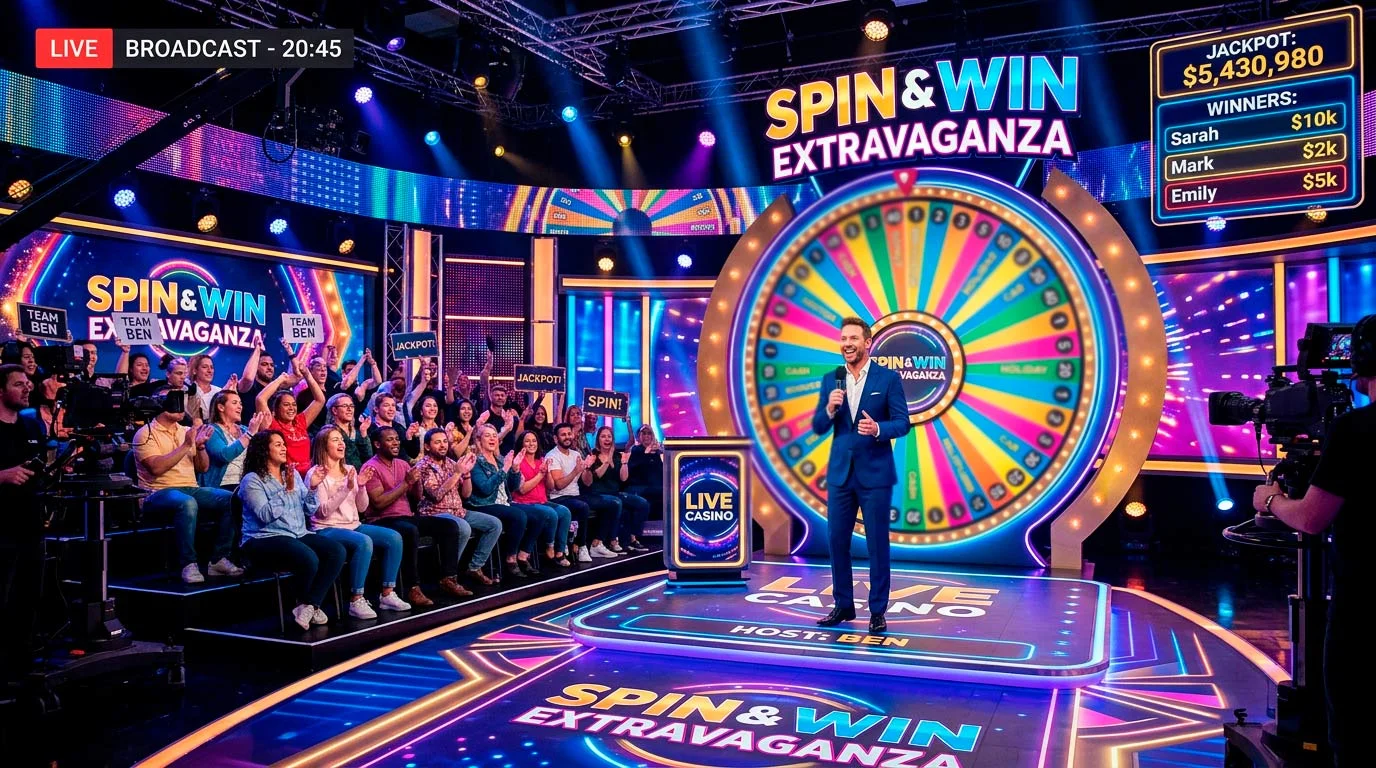
The first time I watched a Crazy Time round — a human host spinning a giant wheel in a purpose-built studio while thousands of players bet simultaneously — I thought I was watching a television programme that accidentally had a gambling mechanism attached to it. That reaction was intentional. Live casino game shows are designed to feel like entertainment first and gambling second, which is precisely what makes them worth examining carefully. They are among the fastest-growing segments in UK online gambling, driven by live dealer revenue growth of 31% year-on-year in 2025, and their mechanics are genuinely different from traditional table games in ways that affect both your experience and your expected outcomes.
The classic tables alongside: live roulette.
The Format: What Makes Game Shows Different From Table Games
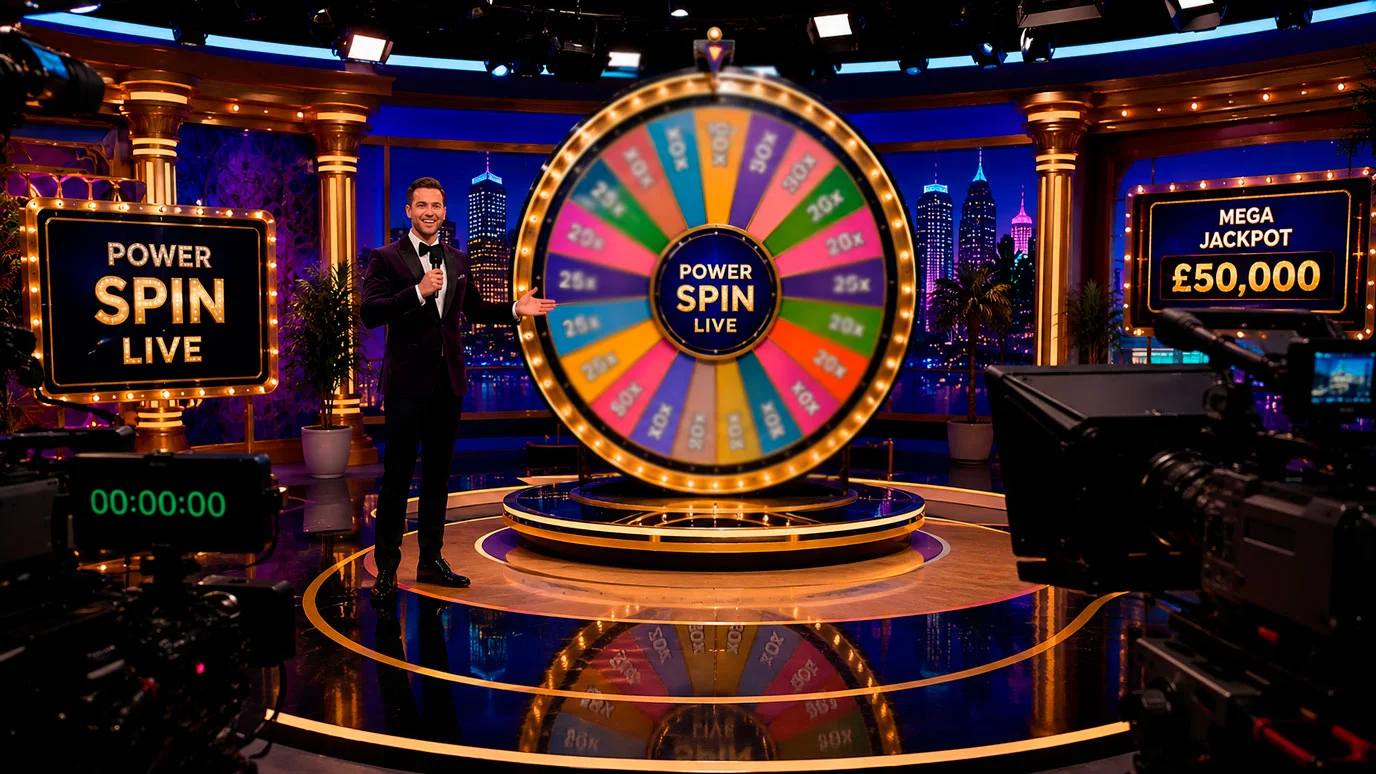
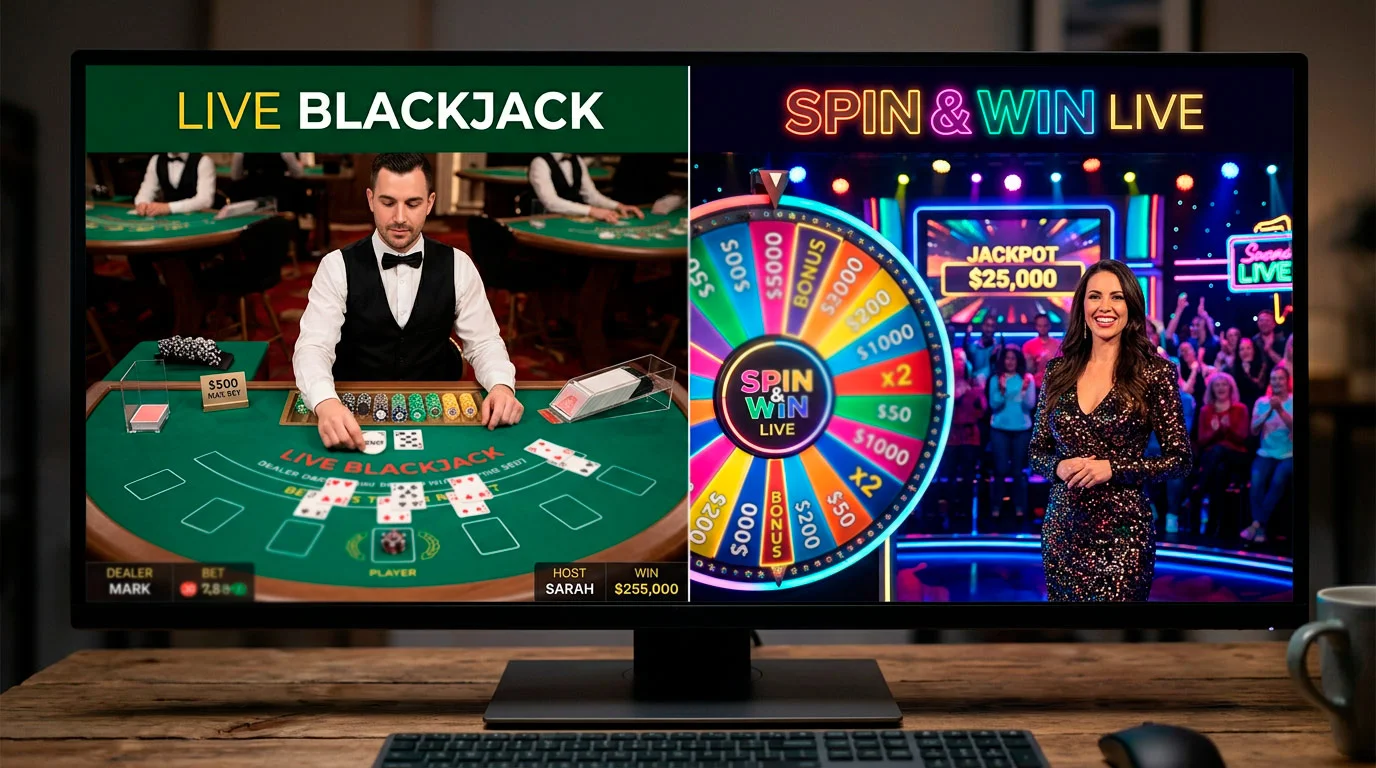
Traditional live casino games — blackjack, roulette, baccarat — reproduce formats that have existed in physical casinos for decades or centuries. Live game shows are native digital products. They were conceived for the online environment, designed for simultaneous mass participation, and built around spectacle. A standard live blackjack table seats seven players. A Crazy Time round can accommodate unlimited concurrent players, each placing bets independently.
The structural difference is participation model. In live blackjack, you make decisions that affect your outcome — hit, stand, double, split. In most game shows, your only decision is where to place your bet before the round begins. After that, the outcome is determined by a physical mechanism (a spinning wheel, a ball drop, a set of dice) operated by a human host. Your role during the round is passive spectator. This distinction is significant because it means game shows function more like slots (bet, watch outcome) than like skill-adjacent table games (bet, make decisions, watch outcome).
Evolution Gaming, which commands 73.4% of the global live dealer market, dominates the game show category. Crazy Time, Monopoly Live, Dream Catcher, Lightning Dice, and Funky Time are all Evolution products. Pragmatic Play has entered the space with its own titles, but Evolution’s production quality and first-mover advantage have made its shows the category standard.
Crazy Time: Mechanics, Multipliers, and Real House Edge
During a session analysis I ran on Crazy Time, tracking 500 consecutive rounds, the variance in outcomes was staggering. Some rounds paid nothing to anyone who bet on the bonus segments. Other rounds triggered multiplied bonus payouts exceeding 10,000x the base bet. That variance is the product’s core appeal — and its core risk.
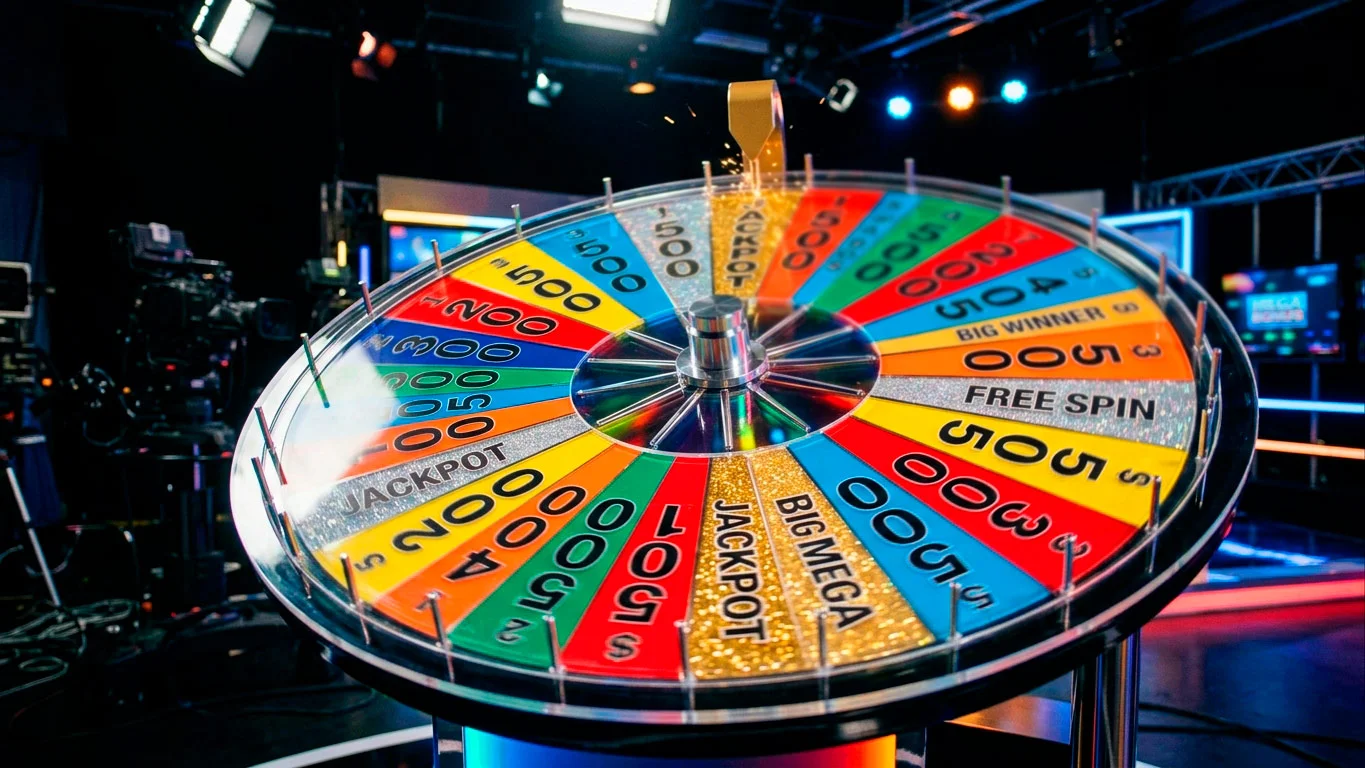
Crazy Time features a large vertical wheel with 54 segments. Segments are divided among number bets (1, 2, 5, 10) and four bonus rounds (Cash Hunt, Pachinko, Coin Flip, Crazy Time). Each round, a “Top Slot” spinner applies a random multiplier to one segment on the wheel. If the wheel lands on that multiplied segment, the payout (or bonus) is multiplied accordingly. Multipliers range from 2x to 50x on the base wheel, and bonus rounds can generate additional multipliers within their own mechanics.
The theoretical RTP across all bet types on Crazy Time ranges from approximately 94.4% to 96.1%, depending on which segment you bet on. Number 1 has an RTP around 96.08%, while the Crazy Time bonus segment has an RTP around 94.41%. These are lower than standard European roulette (97.3%) and significantly lower than blackjack played with basic strategy (99%+). The trade-off is entertainment value and the potential for extreme multiplied wins — but that trade-off comes at a mathematical cost.
Dream Catcher and Lightning Roulette: The Simpler Variants
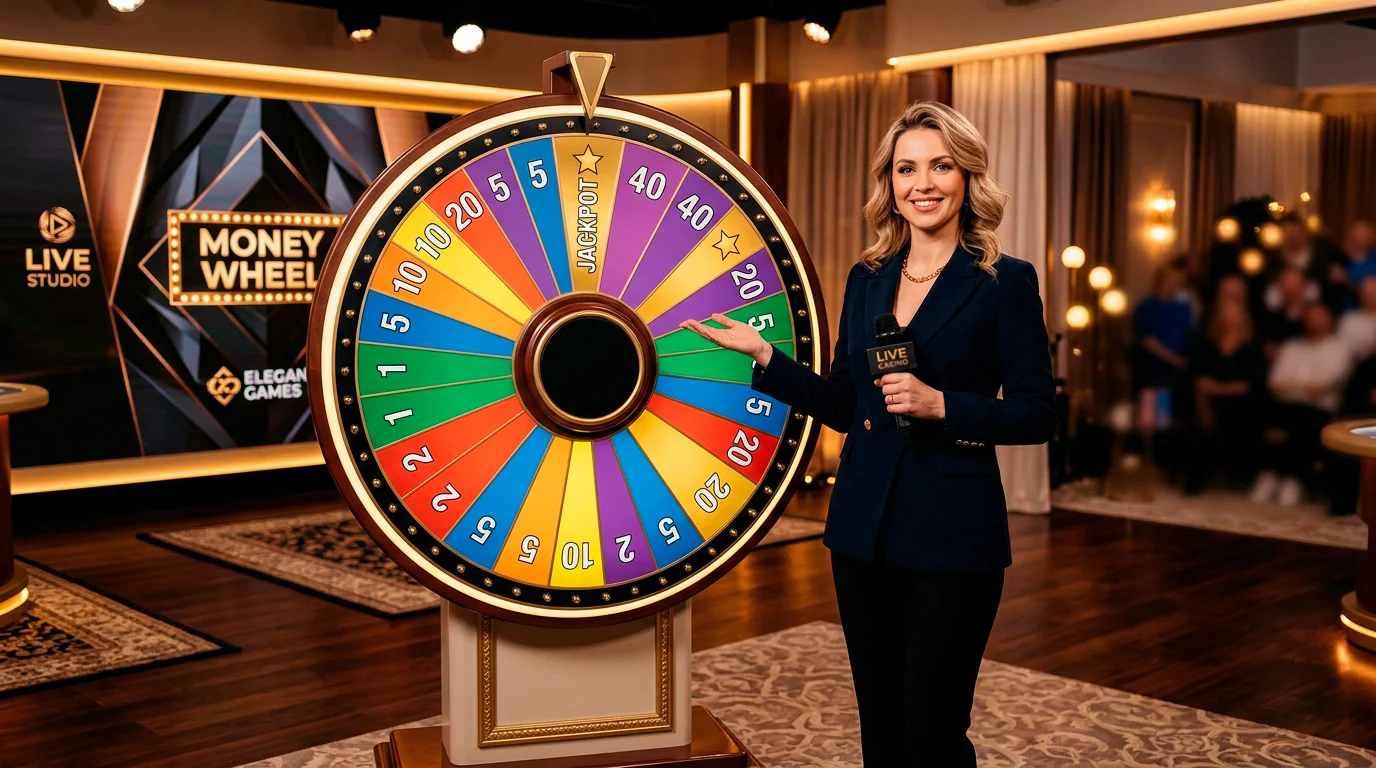
Dream Catcher is the game show format stripped to its simplest form. A large money wheel with segments labelled 1, 2, 5, 10, 20, and 40, plus two multiplier segments (2x and 7x). You bet on which number the wheel will land on. Payouts correspond to the segment values — a £1 bet on 40 pays £40 if the wheel stops there. The multiplier segments, if the wheel lands on them, multiply the next spin’s payout and the wheel spins again.
Dream Catcher’s RTP sits between 90.6% and 96.6% depending on which segment you back. The 40 segment has the lowest RTP — it pays 40:1 but appears on the wheel only once, giving it a probability that does not compensate for the payout at fair odds. The 1 segment has the highest RTP, appearing most frequently. This inverse relationship between payout size and RTP is consistent across nearly all game show formats: the bigger the potential payout, the worse the mathematical expectation.
Lightning Roulette takes European roulette and adds random multipliers of 50x to 500x applied to one to five straight-up number bets each round. The modification carries a catch: straight-up number bets pay 29:1 instead of the standard 35:1 on non-multiplied wins. This reduction funds the multiplier pool. The overall RTP of Lightning Roulette is approximately 97.3% — identical to standard European roulette — but the payout distribution is dramatically different. Most straight-up number wins pay less than they would on a regular roulette table, while a small fraction pay far more.
The full picture is in our guide to UK real-money online casinos.
Player Protection in Game Show Formats
Game shows sit in a regulatory grey area that the UKGC has been progressively clarifying. They are classified as live casino products, not slots, which means the £5 and £2 stake limits do not apply — a player can bet significantly more per round on Crazy Time than on any online slot. The autoplay ban does not apply either, though the unlimited-player format means there is no equivalent to automated spin functionality.
The pace of play in game shows is slower than slots — a typical round takes 30 to 60 seconds including host commentary, wheel spin, and result — but the maximum bet per round is uncapped by slot-specific regulation. An operator may set its own table limits, and most cap individual bets on game shows between £1,000 and £10,000 depending on the segment. For players accustomed to the £5 slot cap, the jump to potentially much larger bets per game show round is substantial.
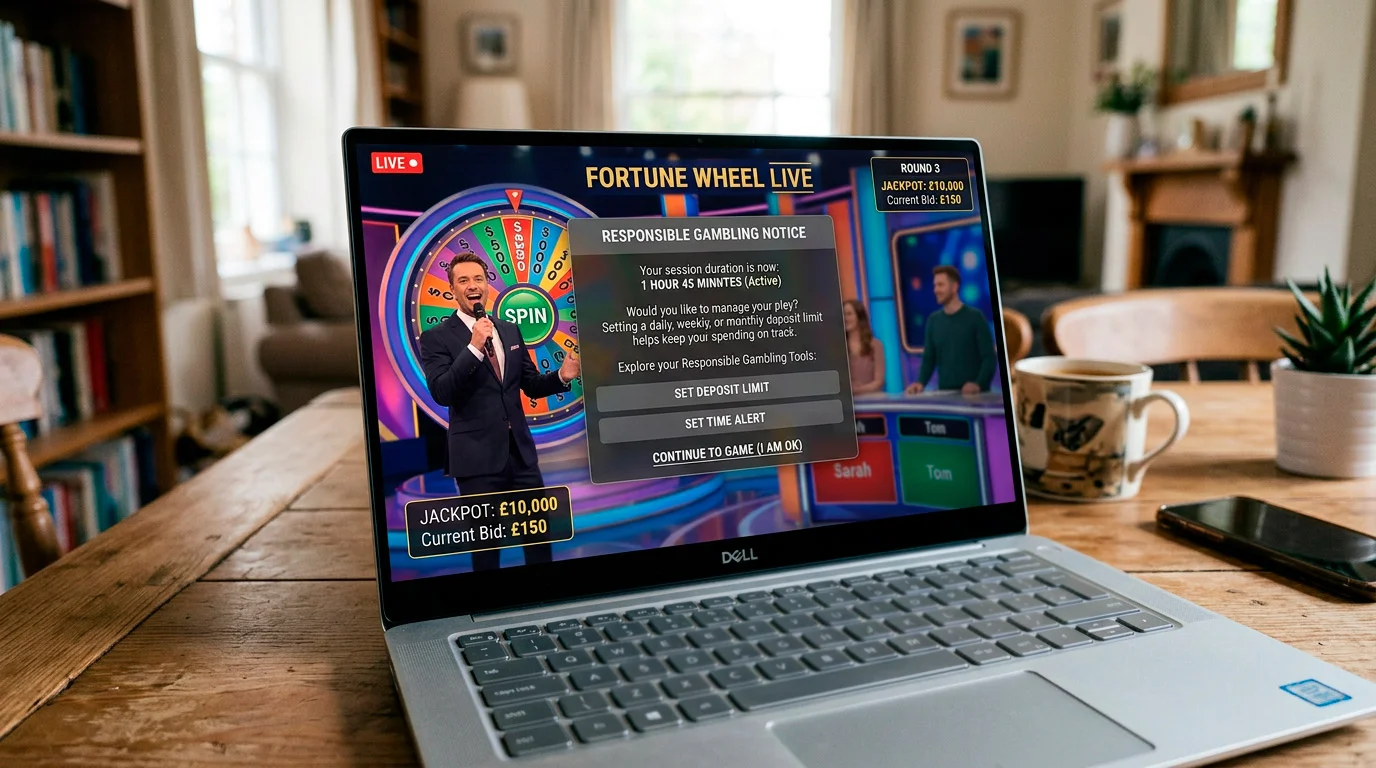
Responsible gambling tools apply across all game types at UKGC-licensed sites. Deposit limits, time-outs, reality checks, and self-exclusion function identically whether you are playing slots or game shows. However, the absence of product-specific stake limits for game shows means that per-session loss potential is higher for an engaged player. The responsible gambling tools overview covers the full set of controls available and how they apply across different game categories.
What the Production Quality Is Designed to Do
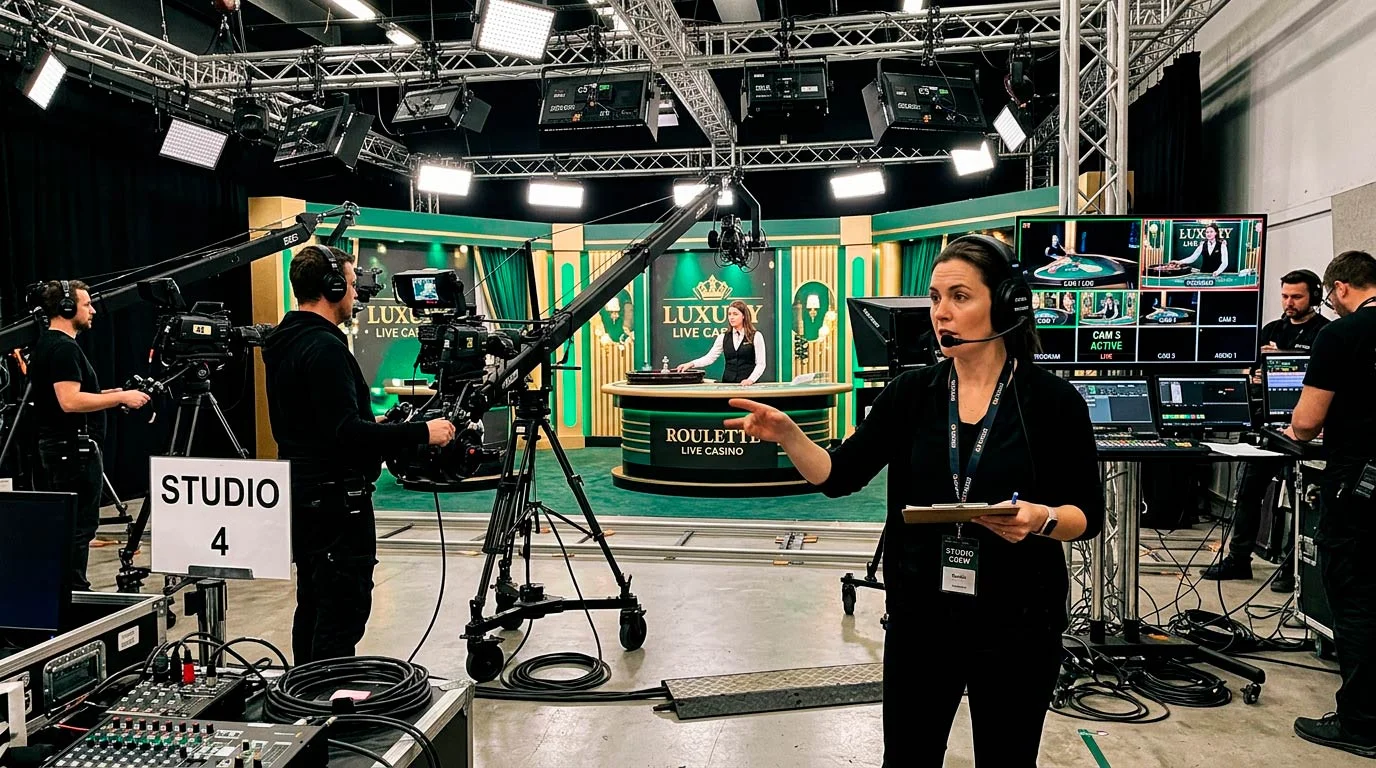
Game show studios cost millions to build. The lighting, the host’s patter, the audience sound effects, the branded bonus rounds — all of it exists to extend engagement time. A Crazy Time session feels more like watching a gameshow than sitting at a casino table, and that framing shifts how players perceive their own participation. Research consistently shows that entertainment framing reduces players’ sensitivity to financial loss — you are having an experience, not just placing bets.
This is not a criticism of the format. It is a description of its design intent. Every casino game is designed to be engaging enough that players continue to play, and game shows simply execute that design principle with higher production value and more explicit entertainment packaging. The informed player recognises the framing, checks the RTP, sets their limits, and makes their own decision about whether the entertainment value justifies the mathematical cost.
Articles
Prepared by the onlinecasinorealmoneyuk.com editorial staff.