

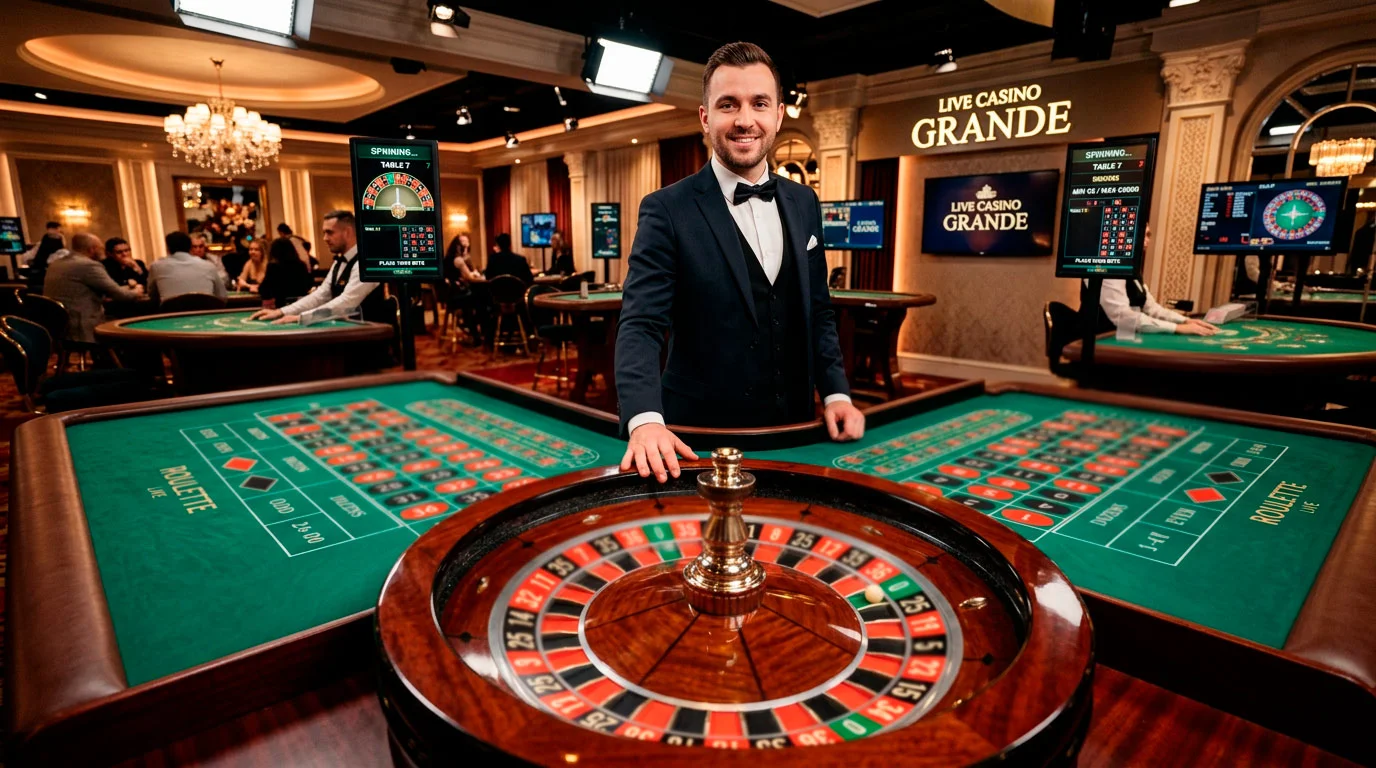
The first time I watched a live roulette stream from a studio floor during a compliance visit, what struck me was the precision. Dealers trained to specific timing intervals, cameras calibrated to capture ball movement from three angles, and optical character recognition systems reading results before the ball had fully settled. Live roulette is the most popular live dealer format in the UK market, and the segment recorded 31% year-on-year revenue growth in 2025, with Evolution Gaming commanding approximately 73.4% of the live dealer market. Yet most guides treat all roulette tables as interchangeable. They are not. The variant you choose, the table limits you play within, and the stream quality you settle for all affect your experience and your expected return.
The card tables alongside: live blackjack.

European, French, and American: Roulette Variants in UK Live Casinos
Walk into any UK live casino lobby and you will find three roulette families, each with a fundamentally different mathematical proposition. Choosing between them is the single most impactful decision you make before placing a bet, and it is one most players make based on aesthetics rather than arithmetic.
European roulette uses a wheel with 37 pockets: numbers 1 through 36 plus a single zero. The single zero is the source of the house edge. On any even-money bet — red/black, odd/even, high/low — the true odds of winning are 18/37, not 18/36. That discrepancy produces a house edge of 2.70%. Every bet on a European roulette table carries this same edge, whether you bet on a single number, a split, a corner, or a column. The payout ratios differ, but the mathematical advantage to the house remains constant at 2.70%.

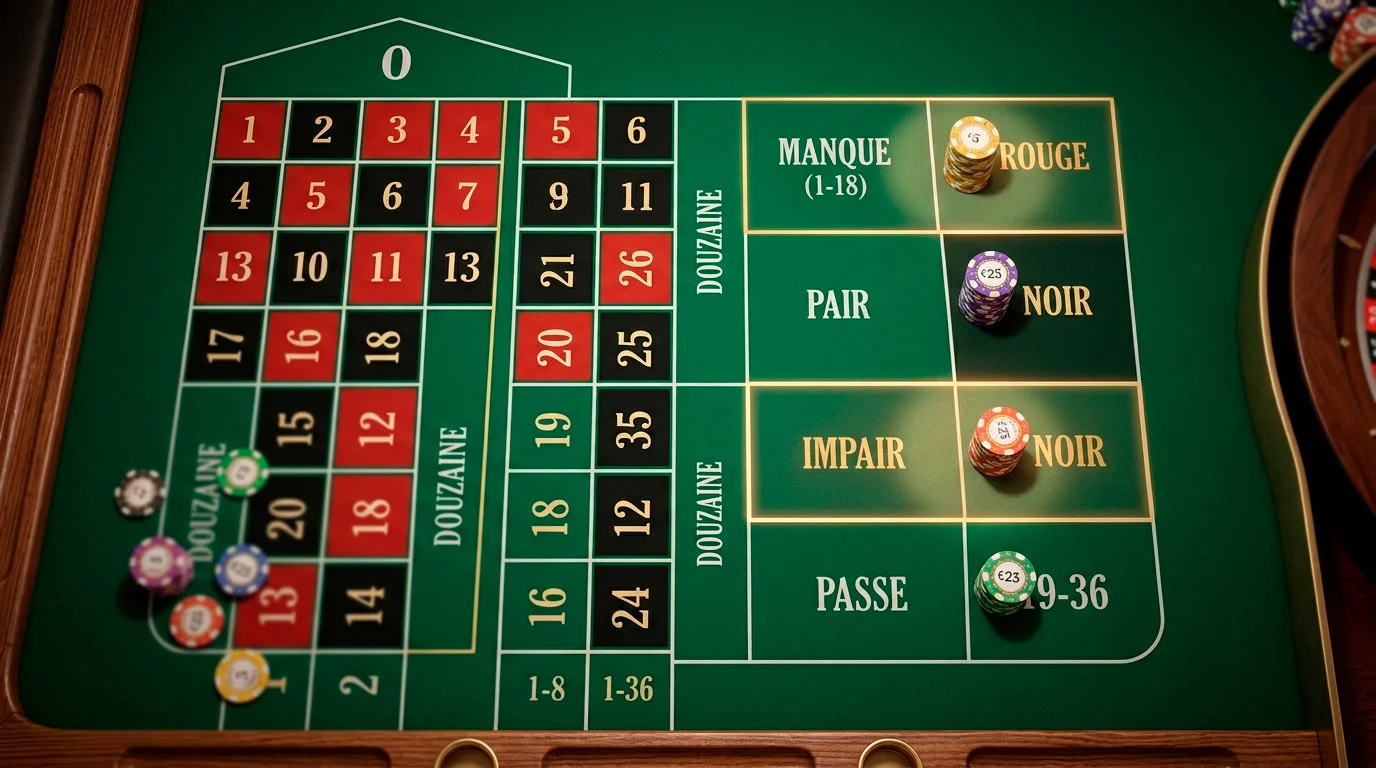
French roulette shares the single-zero wheel but adds two rules that reduce the house edge on even-money bets. “La Partage” returns half your even-money stake when the ball lands on zero. “En Prison” holds your even-money bet for the next spin rather than collecting it immediately. Both rules cut the effective house edge on even-money bets to 1.35% — exactly half of European roulette. On other bet types (straight-up numbers, splits, corners), the house edge remains 2.70%. If you are playing even-money bets, French roulette offers the best mathematical return of any roulette variant available in the UK.
American roulette adds a second zero pocket — 00 — creating 38 pockets total. The payout ratios remain the same as European roulette (35:1 for a straight-up number, for example), but the additional pocket increases the house edge to 5.26% on all bets. That is nearly double European roulette and roughly four times the even-money edge on French roulette. There is no mathematical argument for choosing American roulette over European or French. Its presence in UK live lobbies is a legacy of brand recognition, and it persists because enough players select it without checking the numbers.
House Edge by Variant: The Numbers That Matter
During a training session with a new analyst on my team, I reduced roulette strategy to a single table. The UK online casino market, valued at approximately $6.69 billion, supports all three variants, but the house edge difference over time is stark.
On £1,000 wagered across even-money bets: European roulette expects to retain £27.00; French roulette with La Partage expects to retain £13.50; American roulette expects to retain £52.60. The gap between the best and worst option is £39.10 per £1,000 wagered. Across a year of regular play, that difference compounds into meaningful money.
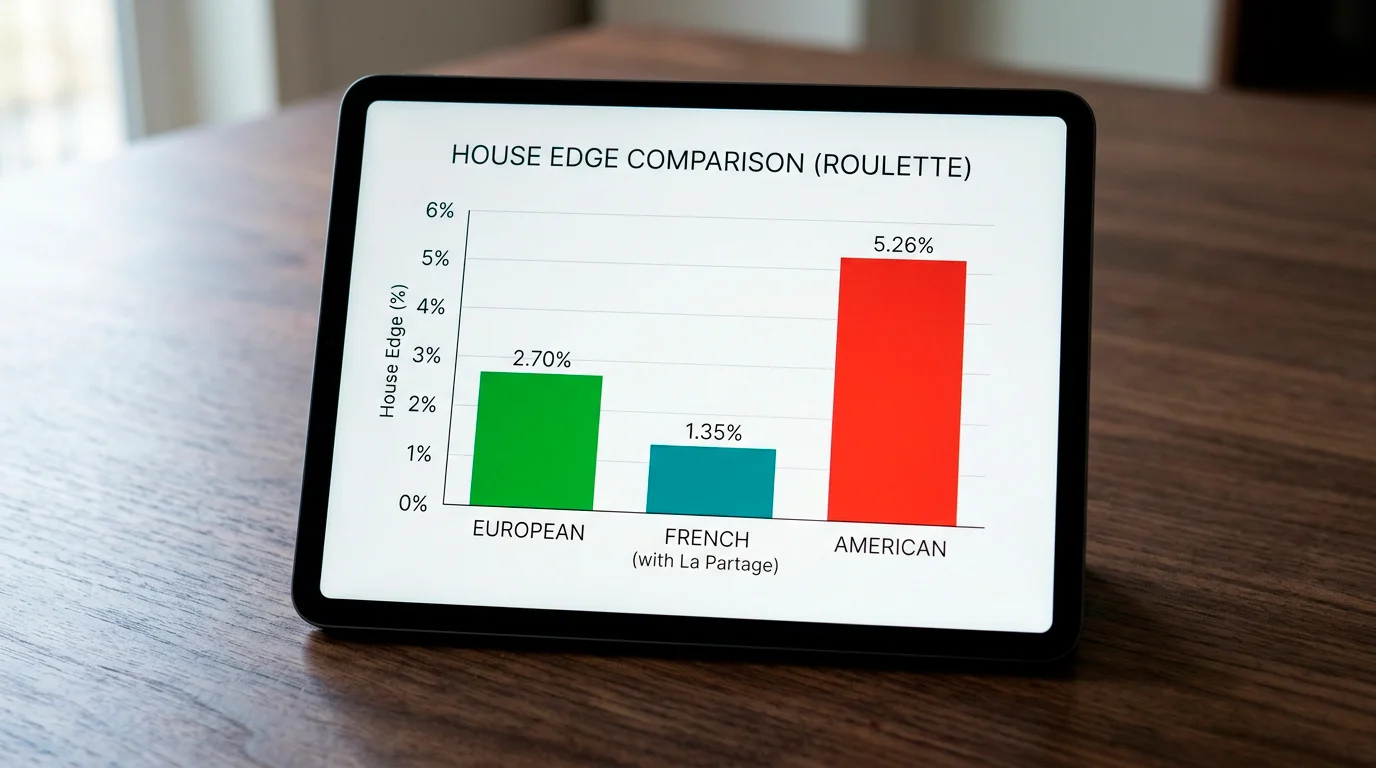
For other bet types, the comparison simplifies. European and French roulette are identical at 2.70% on non-even-money bets. American roulette carries 5.26% on all bets without exception. There is no bet on an American roulette table that offers better odds than the equivalent bet on a European or French table.
Live roulette also introduces a tempo variable that affects hourly expected loss. A fast table might complete 60-80 spins per hour. A slower, more social table might run 40-50. Your expected loss per hour is house edge multiplied by average bet multiplied by spins per hour. Choosing a slower table or playing less frequently within a session mechanically reduces your exposure, independent of which variant you play.
The full picture is in our guide to UK real-money online casinos.
Evaluating Table Quality: Speed, Limits, and Stream Resolution
Not all live roulette tables are created equal, even within the same variant. I learned this by watching the same game across multiple operator platforms — identical rules, identical provider, but noticeably different experiences. The variables are subtler than variant selection but affect session quality considerably.
Stream quality matters more on mobile than desktop. A table streaming at 720p looks adequate on a phone screen but muddy on a monitor. Tables from Evolution’s primary studios in Riga and Malta typically stream at 1080p with dedicated camera angles for close-up ball tracking. Smaller providers or shared-studio setups may offer lower resolution, which does not affect the game mechanics but does affect your ability to follow the action and verify results visually. On a mobile device — where over 60% of UK gambling activity occurs — stream quality directly influences whether you can comfortably see the wheel and the betting interface simultaneously.
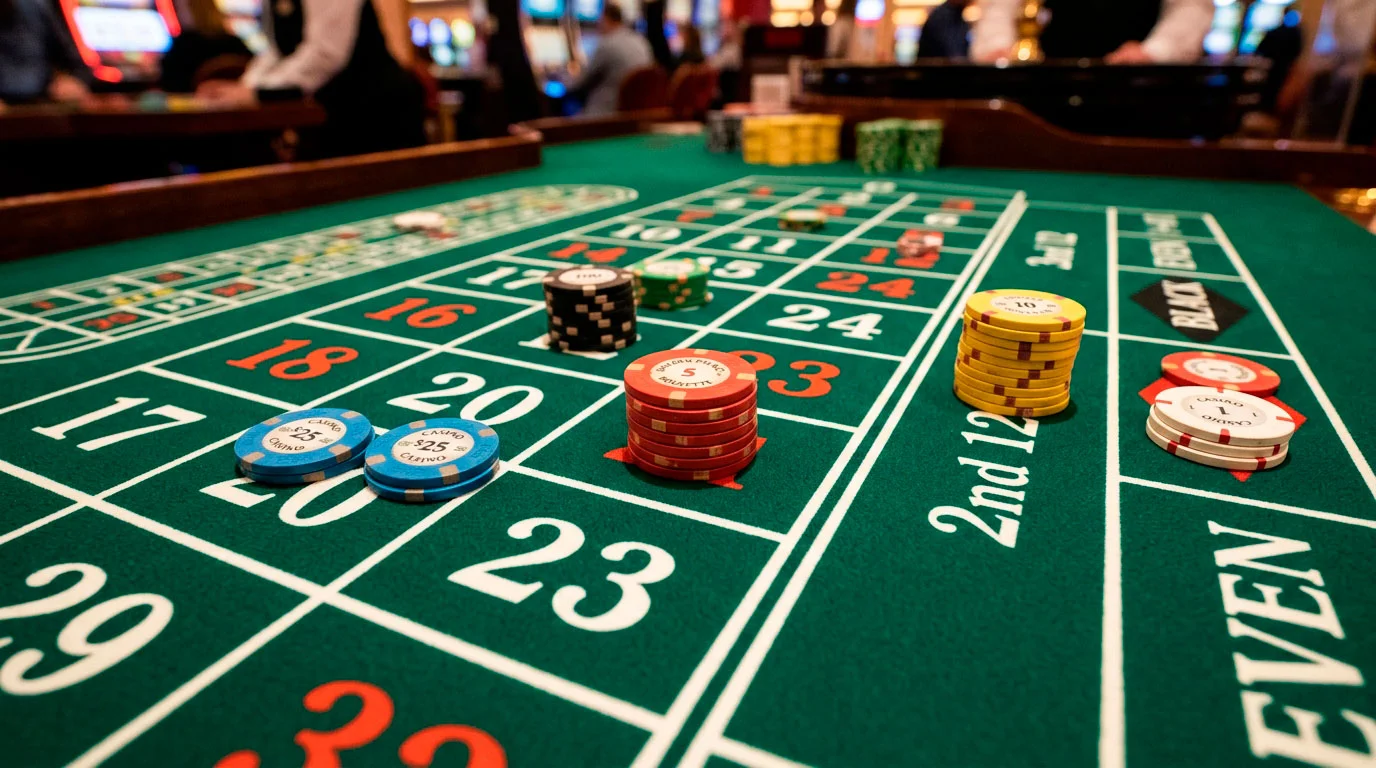
Table limits determine accessibility and session length. Live roulette tables range from £0.10 minimum bet (typically on “auto-roulette” or rapid-play tables) to £10,000 or more on VIP tables. The minimum matters for bankroll management: a £1 minimum table requires at least £20-30 to sustain a session of reasonable length, while a £5 minimum table requires proportionally more. Maximum limits matter less for most players but become relevant if you use progressive betting patterns, where a long losing streak requires escalating bet sizes.
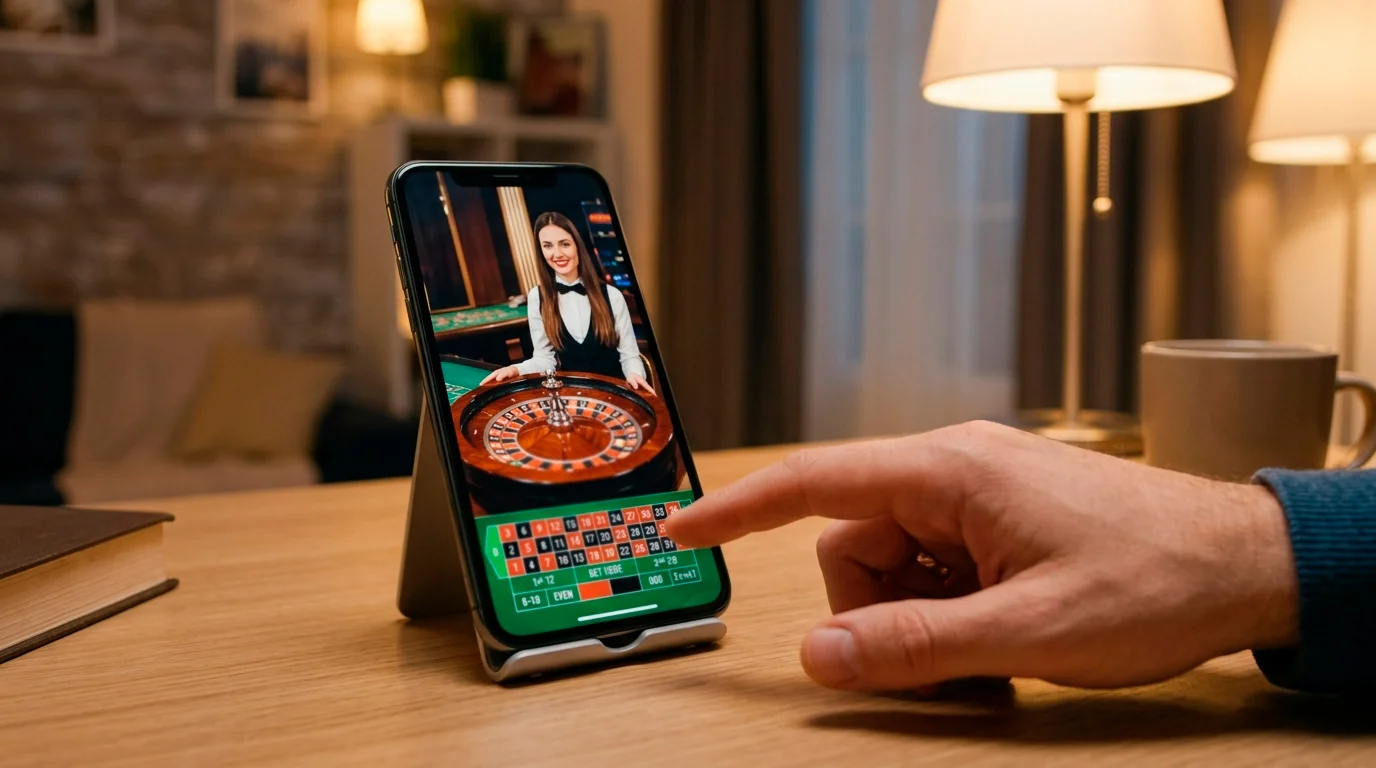
Dealer pace and interaction also vary. Some tables run continuous spins with minimal dealer commentary — efficient but impersonal. Others feature dealers who engage with the chat, explain results, and create a more social atmosphere. Neither is objectively better; it depends on whether you prioritise speed (more decisions per hour) or entertainment (a more immersive experience). From a house-edge perspective, slower tables with more interaction between spins give you fewer betting opportunities per hour, which mechanically limits your exposure.
For those considering live roulette alongside other live formats, the live casino overview covers how the technology works across game categories and what to evaluate when choosing a platform.
Articles
Prepared by the onlinecasinorealmoneyuk.com editorial staff.