


On 19 January 2026, the UK Gambling Commission enforced a rule that rewrote the economics of every casino bonus in the country: wagering requirements on promotional offers were capped at a maximum of 10x. For anyone who has spent years reading terms and conditions where 40x, 50x, or even 70x were standard, the shift felt seismic. I remember sitting in a regulatory briefing the week it took effect, watching operator compliance teams scramble to reprice their entire promotional calendars. The 10x cap did not just change a number — it restructured how bonuses generate revenue, how operators price risk, and whether the average player actually walks away with anything.
What the cap did to the offers: the best casino bonuses.
The UKGC’s Path to the 10x Wagering Ceiling
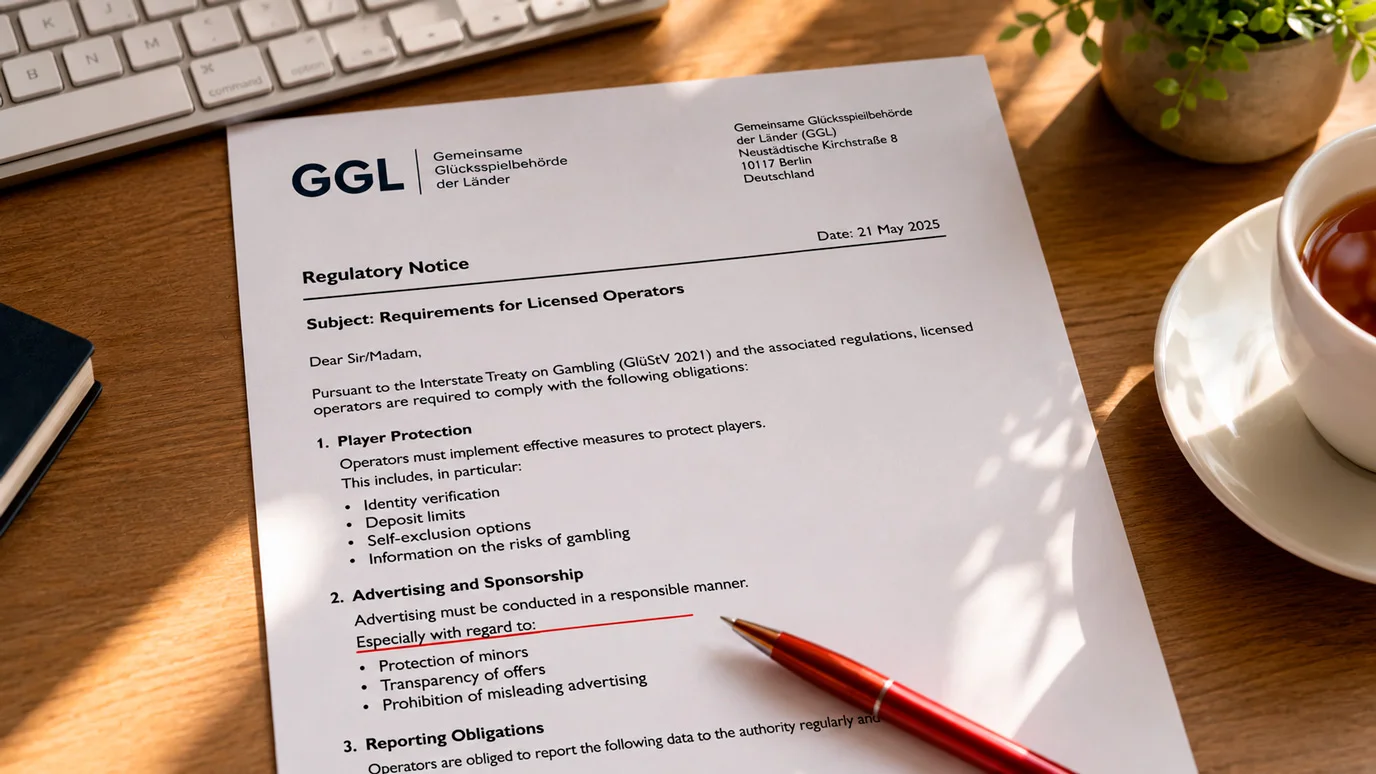
Regulation rarely arrives overnight, and the 10x cap was no exception. Its roots trace back to the 2023 Gambling Act Review White Paper, which flagged wagering requirements as a source of consumer confusion and potential harm. The Commission’s position was that high wagering multipliers effectively made bonuses unclearable for most players, creating an illusion of generosity while ensuring operators retained the funds. Internal UKGC research showed that fewer than 5% of bonus recipients ever completed wagering requirements above 30x.
The path from White Paper to enforceable rule ran through two years of industry consultation. Operators lobbied for higher caps — 20x or 25x — arguing that margins required room to fund competitive offers. The Commission settled on 10x as a balance between player clarity and commercial viability, alongside a companion rule banning mixed-product promotions that combined betting and casino bonuses into a single offer. The January 2026 enforcement date gave operators roughly three months from the final rule publication to overhaul their systems. For larger operators with automated bonus engines, that was tight but manageable. For smaller operators running manual promotional calendars, it was a scramble.

The timing coincided with another regulatory event that amplified the impact: the announced increase of Remote Gaming Duty from 21% to 40%, effective April 2026. Operators were simultaneously absorbing a near-doubling of their tax burden and a structural reduction in the revenue-generating potential of their bonus programmes. The Betting and Gaming Council’s chief executive, Grainne Hurst, described the combined effect of tax increases and regulatory tightening as devastating for the industry’s workforce and its customers.
Bonus Maths: 40x Era vs 10x Era Side by Side
Numbers tell this story better than narrative, so here is what changed. Take a £50 deposit match bonus — one of the most common structures in UK casino promotions.

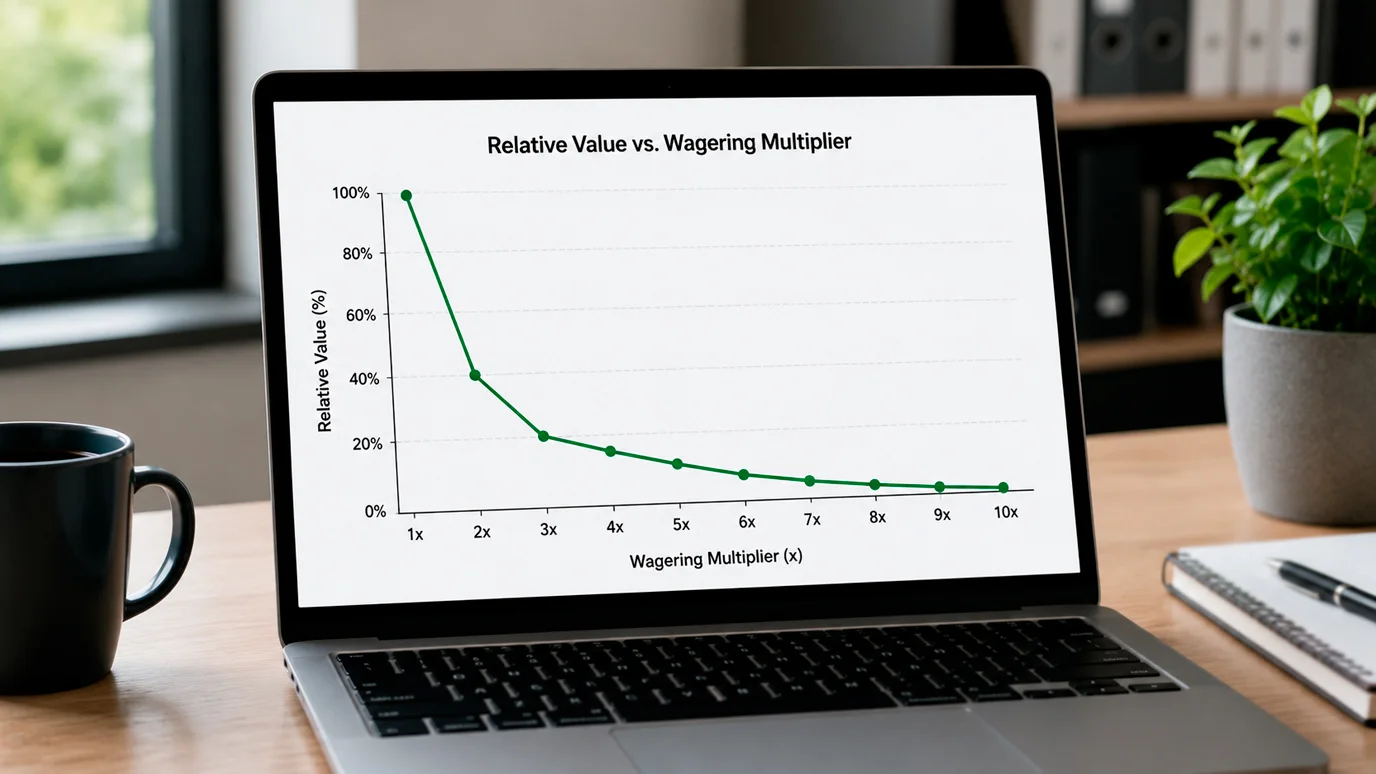
Under a 40x requirement, a player receiving a £50 bonus needed to wager £2,000 (50 x 40) before withdrawing. On a slot with 96% average RTP, the expected cost of wagering £2,000 is £80 (4% house edge x £2,000). The player’s expected loss from clearing the bonus exceeded the bonus value itself. The bonus was, in expected-value terms, negative for the player. This is why completion rates were so low — the maths worked against you.
Under the new 10x cap, the same £50 bonus requires £500 in wagers (50 x 10). The expected cost at 96% RTP is £20 (4% x £500). The player receives £50 in bonus funds and pays an expected £20 to clear them, yielding a positive expected value of roughly £30. That is a fundamental reversal. For the first time in the UK market, standard wagering bonuses became mathematically favourable for the player on average.

The catch is that operators recognised this immediately. The response was predictable: reduce the face value of bonuses. A £50 match at 10x costs the operator more in expected payouts than a £50 match at 40x. To maintain margins, operators shrank bonus amounts, tightened maximum cashout caps, or added game restrictions that channelled play toward lower-RTP titles. The maths improved for players per pound of bonus, but the pounds on offer decreased. The net effect was more transparent but not necessarily more generous in absolute terms.
The Remote Gaming Duty increase compounded this recalibration. With the tax rate rising to 40% of gross gaming yield, the post-tax cost of funding a clearable bonus climbed further. Operators facing the combined pressure of lower wagering ceilings and higher tax burdens had limited options: absorb the cost (reducing EBITDA), pass it to players (smaller offers, worse terms elsewhere), or exit promotional activity for certain segments entirely. I have seen all three responses across the operators I track.
The full picture is in our guide to UK real-money online casinos.
How Operators Adapted Their Promotions
Walking through a cross-section of UK operator sites in the first quarter of 2026, the adaptations fell into four broad patterns. Each reveals something about where the industry thinks value and risk now sit.
The first pattern was straightforward shrinkage. Operators that previously offered £100 or £200 deposit matches dropped to £25 or £50. The wagering shifted from 35x-50x to exactly 10x (few operators went below the cap voluntarily, since every unit of wagering below 10x is margin surrendered). The offers look cleaner and are easier to complete, but the raw amount on the table is smaller.
The second pattern was a shift toward free spins. Rather than deposit match bonuses, operators moved promotional budgets into free spin allocations — 50, 100, or 200 spins at low stake values. Free spins are technically subject to the same 10x cap on any winnings, but the expected value per spin is small enough that operators can offer larger quantities without excessive risk. The visual impression of “200 free spins” outperforms “£10 bonus” in marketing tests, even when the expected value is comparable.

The third pattern was the rise of cashback offers. Instead of a traditional bonus with wagering attached, some operators began offering percentage cashback on net losses over a period — typically 10% to 20% of losses returned as cash with no wagering requirement. Cashback sidesteps the 10x debate entirely because there is no bonus balance to wager. It also aligns with the Commission’s preference for simpler, more transparent promotions. The trade-off for players is that cashback only has value when you lose, which inverts the psychology of a welcome offer.
The fourth pattern, which I find most interesting from a regulatory perspective, was the emergence of “bonus drops” — small, frequent bonuses (£2-£5) credited during active play sessions rather than a single large welcome offer. These micro-bonuses carry 10x wagering and low caps but feel like rewards rather than obligations. Operators using this model report higher player retention and lower complaint rates, which matters when the Commission is watching complaint volumes as a compliance indicator.
For a broader view of how the full bonus ecosystem works under the new rules, the UK casino bonus guide maps out each bonus type and its post-cap economics.
Articles
Created by the "onlinecasinorealmoneyuk.com" editorial team.