

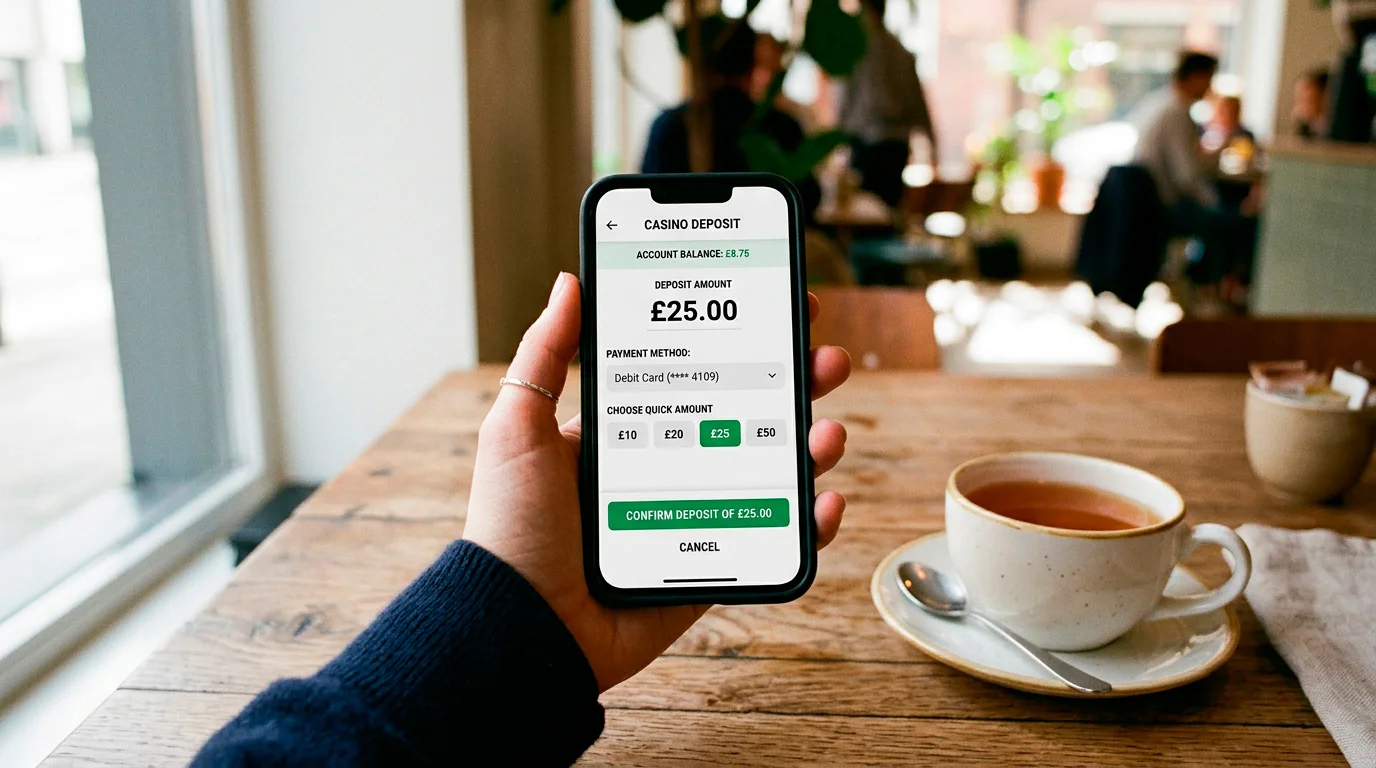
Five pounds is roughly the price of a coffee and a pastry, and it is also the lowest deposit threshold you will find at most UKGC-licensed online casinos. That accessibility is the point — low minimums reduce the barrier to entry, which is attractive for anyone testing a platform before committing real money. But having reviewed the terms across dozens of operators that advertise £5 minimums, I can tell you that the number on the deposit screen is the simplest part of the equation. What happens after that deposit — which payment methods work, what bonuses qualify, and what friction the regulatory framework adds — is where the picture gets complicated.
Which methods suit a small deposit: debit cards.
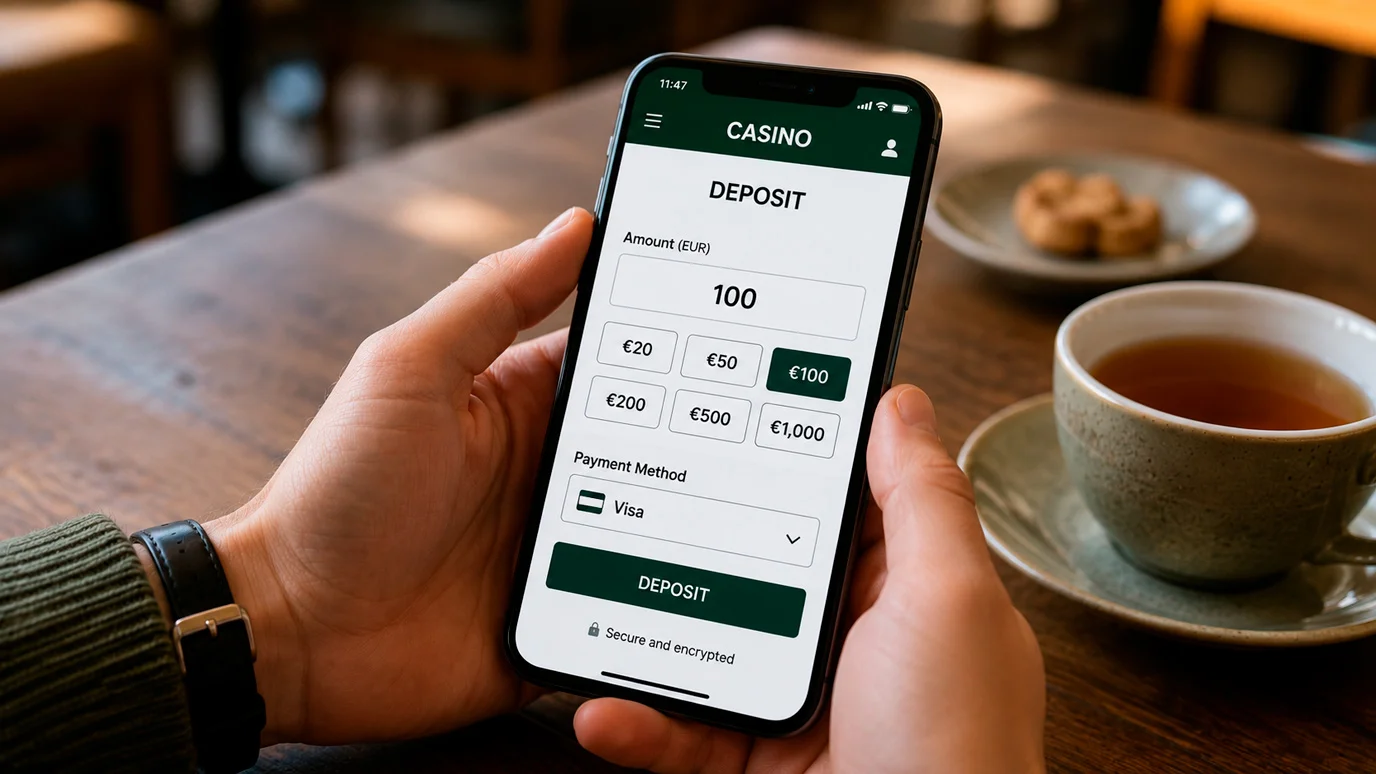
Mobile devices now account for more than 60% of UK online gambling revenue, and the average mobile session is shorter and lower-stakes than desktop. The £5 minimum fits this pattern. It is a deposit size optimised for short, casual sessions rather than extended play. Understanding its limitations is as important as knowing it exists.
What “Minimum Deposit” Actually Covers at UK Casinos
I have lost count of how many times a player has contacted an operator’s support team confused about why their £5 deposit did not activate a welcome bonus. The minimum deposit to open an account and the minimum deposit to trigger a promotional offer are frequently different numbers, and operators are not always clear about the distinction.
The platform minimum — the lowest amount the payment system will process — is a technical floor set by the operator’s payment gateway. Most UK casinos set this at £5 or £10 depending on the payment method. E-wallets and debit cards typically support £5 transactions without issue. Bank transfers often carry higher minimums, sometimes £10 or £20, because the processing cost per transaction makes sub-£10 transfers uneconomical for the operator.
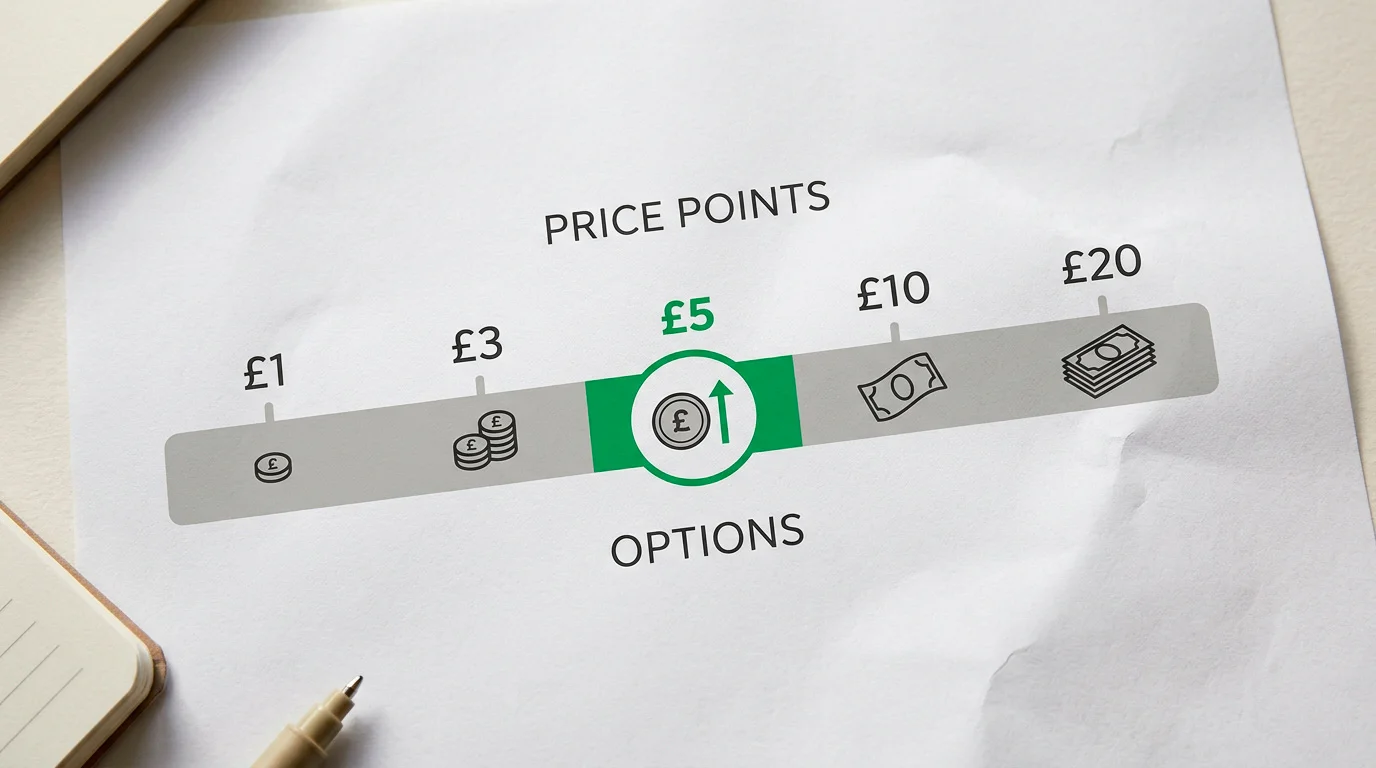
The promotional minimum is a separate threshold. A welcome offer might require a £10 or £20 minimum deposit to activate, even though the platform technically accepts £5. This means you can deposit £5 and play, but you will not receive the advertised bonus. The promotional terms page is the only reliable source for this number, and it is almost never displayed on the same screen as the deposit interface.
Then there is the regulatory layer. Since August 2025, the UKGC’s Financial Vulnerability Check threshold sits at £150 in net deposits over a rolling 30-day period. At £5 per deposit, you would need 30 separate deposits to trigger this check, which makes it largely irrelevant for low-deposit players. But the threshold applies to cumulative net deposits, not individual transactions — so a player making frequent small deposits that collectively exceed £150 will still face the check. Low minimums do not exempt you from regulatory oversight; they simply change the timeline.

The Trade-Offs of £5 Minimum Deposit Platforms
Every operator I have audited that offers a £5 minimum makes compromises somewhere in the product to support it. Low deposits mean low per-player revenue, and low per-player revenue means the operator needs to be efficient — or restrictive — in ways that higher-deposit platforms can afford to ignore.
Game access is the most common trade-off. Some operators restrict their full game library to funded accounts above a certain deposit threshold. A £5 deposit might give you access to slots but not to live dealer tables, where minimum bets start at £0.50 or £1.00 and where the operational cost of streaming a live game makes per-session profitability dependent on a minimum bankroll. I have seen operators gate live casino access behind a £20 balance requirement — not a deposit requirement, but a balance requirement, which is a subtle but meaningful distinction.
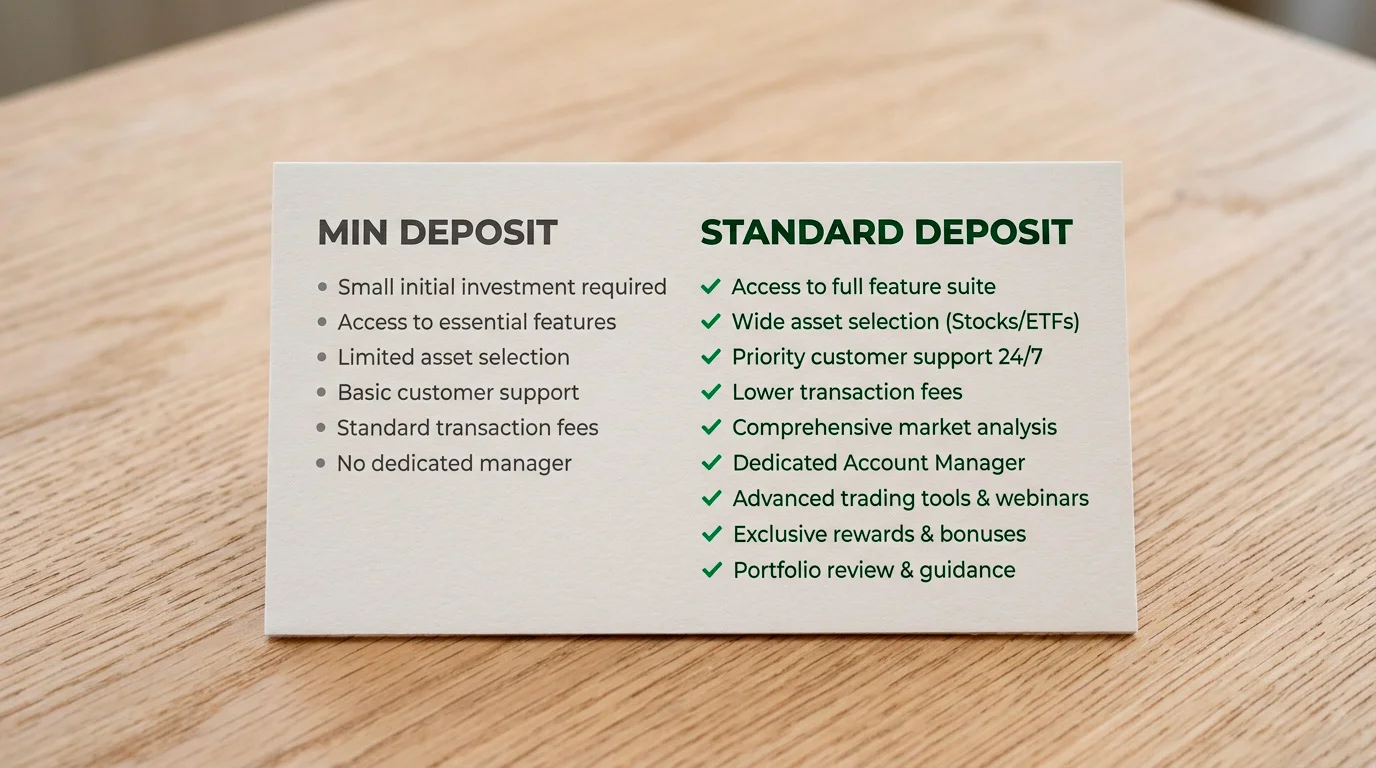
Withdrawal minimums are another consideration. An operator that accepts a £5 deposit may set a £10 or £20 minimum withdrawal. If you deposit £5 and your balance grows to £8, you cannot cash out until you reach the withdrawal floor. This is not a scam — it reflects the processing costs of small transactions — but it creates a structural incentive to keep playing rather than withdraw, which is worth understanding upfront.
Bonus scalability matters too. A deposit match bonus of 100% on a £5 deposit gives you £5 in bonus funds. With the 10x wagering cap, you need to wager £50 to clear it. The expected cost of that wagering at 96% RTP is roughly £2, leaving you with an expected value of about £3. Viable, but the margin for error is thin and the absolute payoff is small. Whether that is worthwhile depends on your perspective, but mathematically, smaller bonuses carry proportionally higher variance relative to their value.
The full picture is in our guide to UK real-money online casinos.

Which Payment Methods Support £5 Deposits
Not every payment method handles £5 gracefully. After tracking transaction minimums across operators for the past two years, the landscape breaks down predictably.
Debit cards — Visa and Mastercard — almost universally support £5 deposits. The card networks process transactions down to £1 in theory, and operators rarely set card minimums above £5. This makes debit cards the default option for low-deposit players and the most widely available method across the market.
E-wallets are a mixed picture. PayPal generally supports £5 deposits at most operators, though some set a £10 minimum for PayPal specifically due to higher transaction fees on small amounts. Other e-wallets like Skrill and Neteller typically accept £5 but may apply their own internal minimums or fees for transfers below £10. The operator’s minimum and the e-wallet’s minimum are independent, and the higher of the two applies.
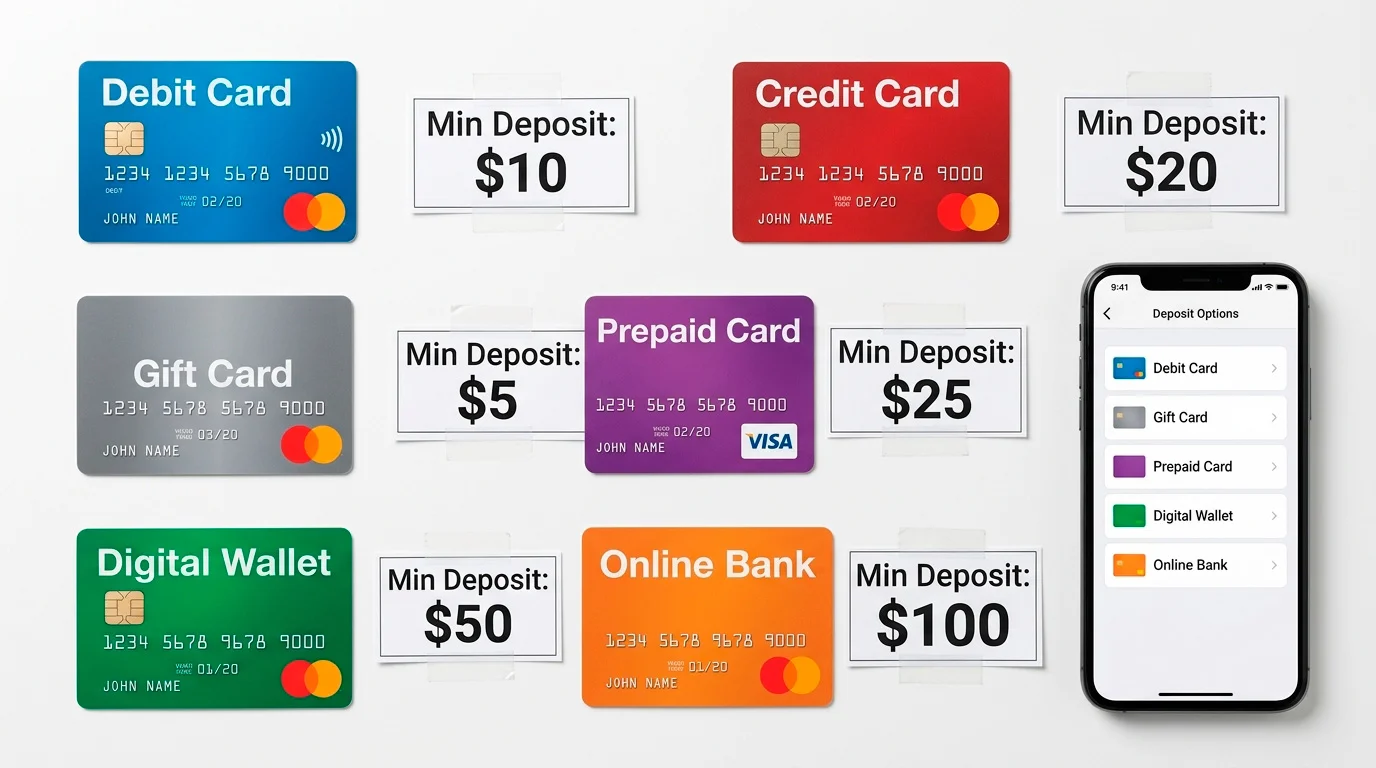
Apple Pay works for £5 deposits where accepted, since it routes through the linked debit card’s processing infrastructure. The practical minimum is whatever the operator sets, and £5 is standard. The limitation with Apple Pay is not the deposit side — it is the withdrawal side, since most operators cannot process payouts to Apple Pay and will direct you to an alternative method for cashouts.
Bank transfers are the outlier. Processing costs and settlement times make sub-£10 bank transfers unattractive for operators, and most set their bank transfer minimum at £10 or £20. If £5 is your target deposit, bank transfer is generally not a viable route.
Pay-by-phone methods like Boku, which deduct from your mobile phone bill, typically support deposits as low as £3. However, these methods carry their own limitations — notably higher operator fees and the inability to withdraw via the same channel, which means you will need an alternative method for cashouts regardless. For those prioritising low-friction entry, a breakdown of how different methods handle deposits and withdrawals is available in the beginner’s guide to UK online casinos.
Articles
Prepared by the onlinecasinorealmoneyuk.com editorial staff.