

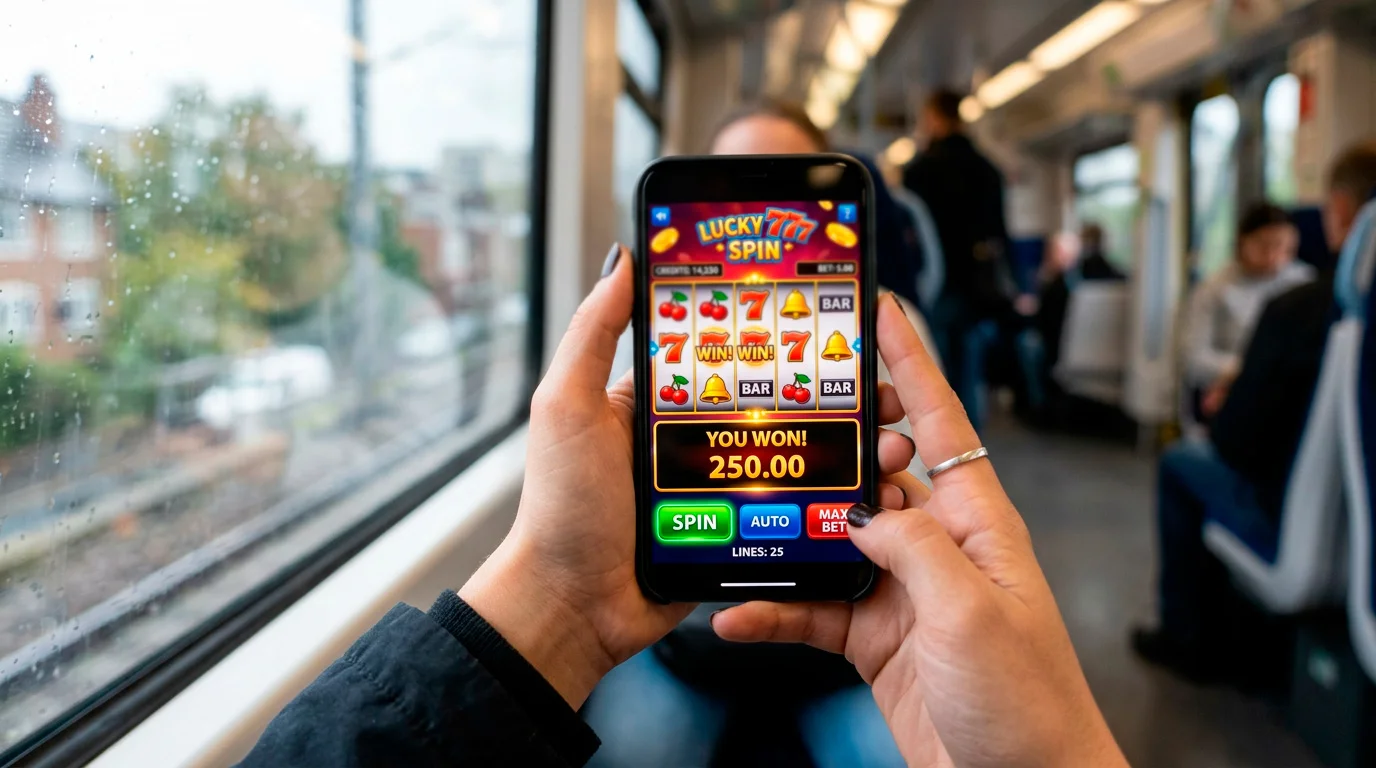
More than 60% of UK online casino revenue now comes from mobile devices. That single statistic reshaped how I think about every aspect of the industry — game design, player behaviour, regulatory impact, session patterns. When I started reviewing operator analytics a decade ago, mobile was an afterthought, a clunky responsive page that nobody used voluntarily. Today it is the primary channel. The desktop player is the exception, not the rule, and the entire product experience — from game interface to deposit flow to player protection prompts — has been rebuilt around a six-inch screen held in one hand.
Paying from a phone: Apple Pay at UK casinos.
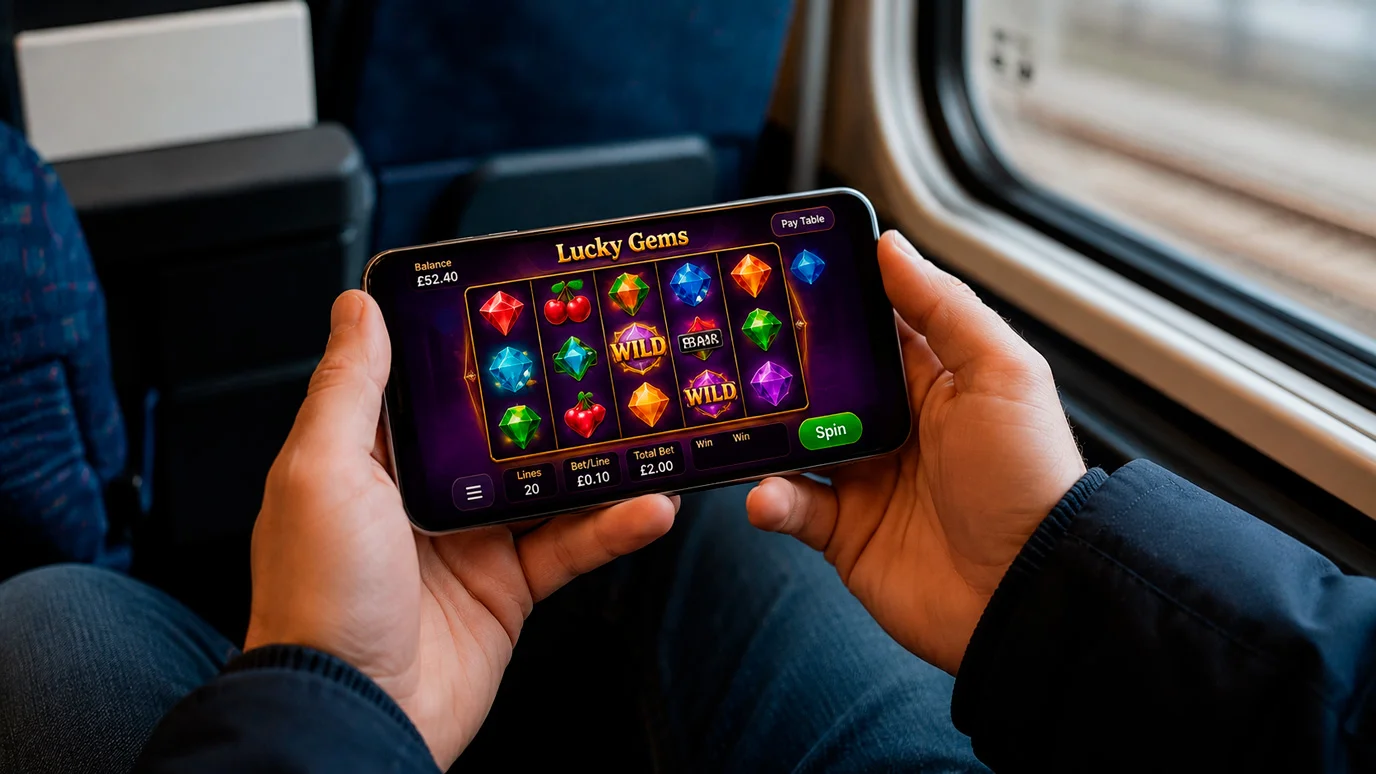
App or Browser: What the Difference Means in Practice
I installed and tested seventeen different casino apps across iOS and Android last year. The quality range was enormous — from polished, fast-loading native apps to glorified webviews wrapped in an app icon. The distinction matters because it affects your experience, your data usage, and occasionally your game access.
Native apps (downloaded from the App Store or Google Play) offer faster load times, smoother animations, and push notifications. They also undergo app store review, which means Apple and Google impose their own policies on top of UKGC requirements. Apple, for example, restricts gambling apps to users who are 17 or older (based on the phone’s age setting) and requires apps to limit in-app purchases that function as deposits. These platform-level restrictions sit alongside — not instead of — the UKGC’s regulatory requirements.
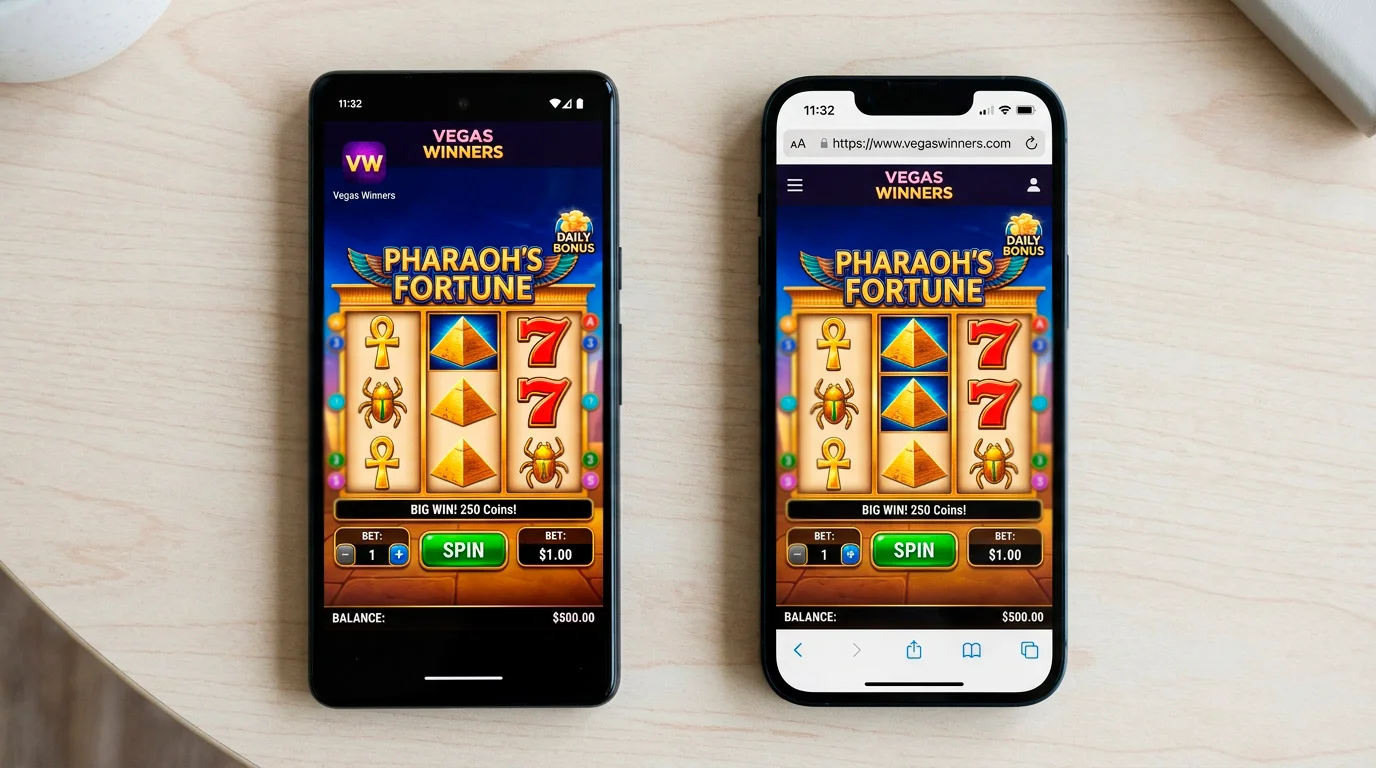
Browser play (accessing the casino through Safari, Chrome, or another mobile browser) requires no download, works across all devices, and is updated server-side without requiring app updates. Most UKGC-licensed casinos offer full functionality through their mobile website, including deposits, withdrawals, game play, and access to responsible gambling tools. The trade-off is slightly slower performance and the absence of push notifications — which, depending on your perspective, might be a benefit rather than a drawback.
Game availability is generally identical across app and browser. UKGC-licensed operators typically offer the same catalogue regardless of access method, though occasionally a game provider’s licensing terms or technical requirements may restrict specific titles to certain platforms. HTML5 has standardised game delivery across devices, making platform-specific exclusions increasingly rare.
Mobile Session Patterns: Shorter, More Frequent, Higher Cumulative Spend
The operator data I have reviewed consistently shows a distinctive mobile session profile. Individual sessions are shorter — averaging 8 to 15 minutes compared to 25 to 40 minutes on desktop. But mobile players log in more frequently, often multiple times per day. The cumulative effect is more total playing time and, in many cases, more total spend, despite each individual session being brief.
This pattern aligns with how people use their phones generally: short bursts of activity during commutes, lunch breaks, or idle moments. Gambling fits into the same behavioural slot as checking social media or reading news. The implications for player protection are significant. A 10-minute session during a train journey feels low-stakes and casual, but five such sessions per day, seven days a week, adds up to nearly six hours of weekly play — enough for the house edge to accumulate meaningfully.
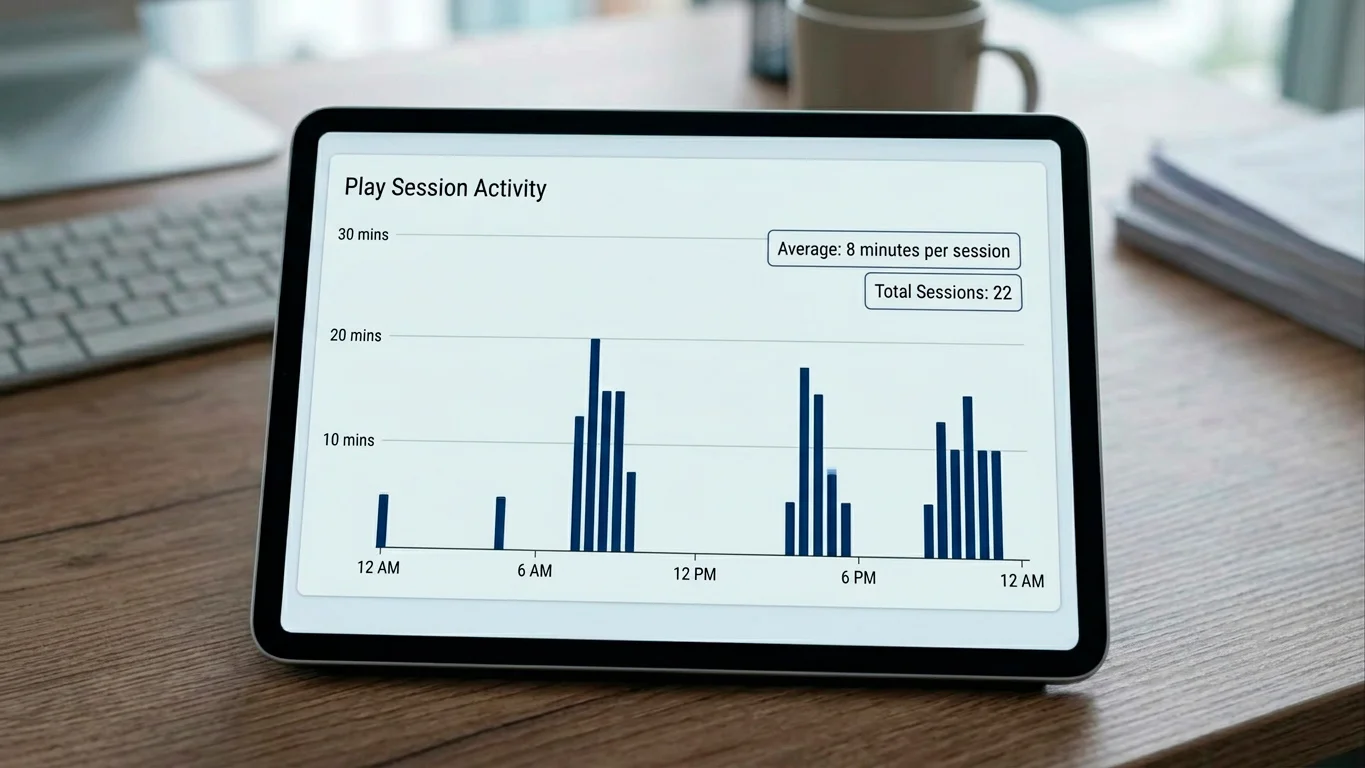
Reality check prompts, mandatory under UKGC licence conditions, were designed with longer desktop sessions in mind. A reminder after 60 minutes of play is irrelevant to a player whose average session is 12 minutes. Some operators have adapted by offering more frequent reality checks — every 15 or 30 minutes — but the configuration is operator-specific rather than mandated. Whether reality checks need to be redesigned specifically for mobile session patterns is a question the Commission has acknowledged but not yet acted on formally.
Touch Interfaces and Game Design: How Mobile Changed Slots
Walk into a game design studio and you will see every title tested on mobile first, desktop second. The UK’s online casino market generates approximately £7.8 billion in gross gaming yield annually, and the majority of that flows through touchscreens. Game providers have responded by fundamentally rethinking interface design.
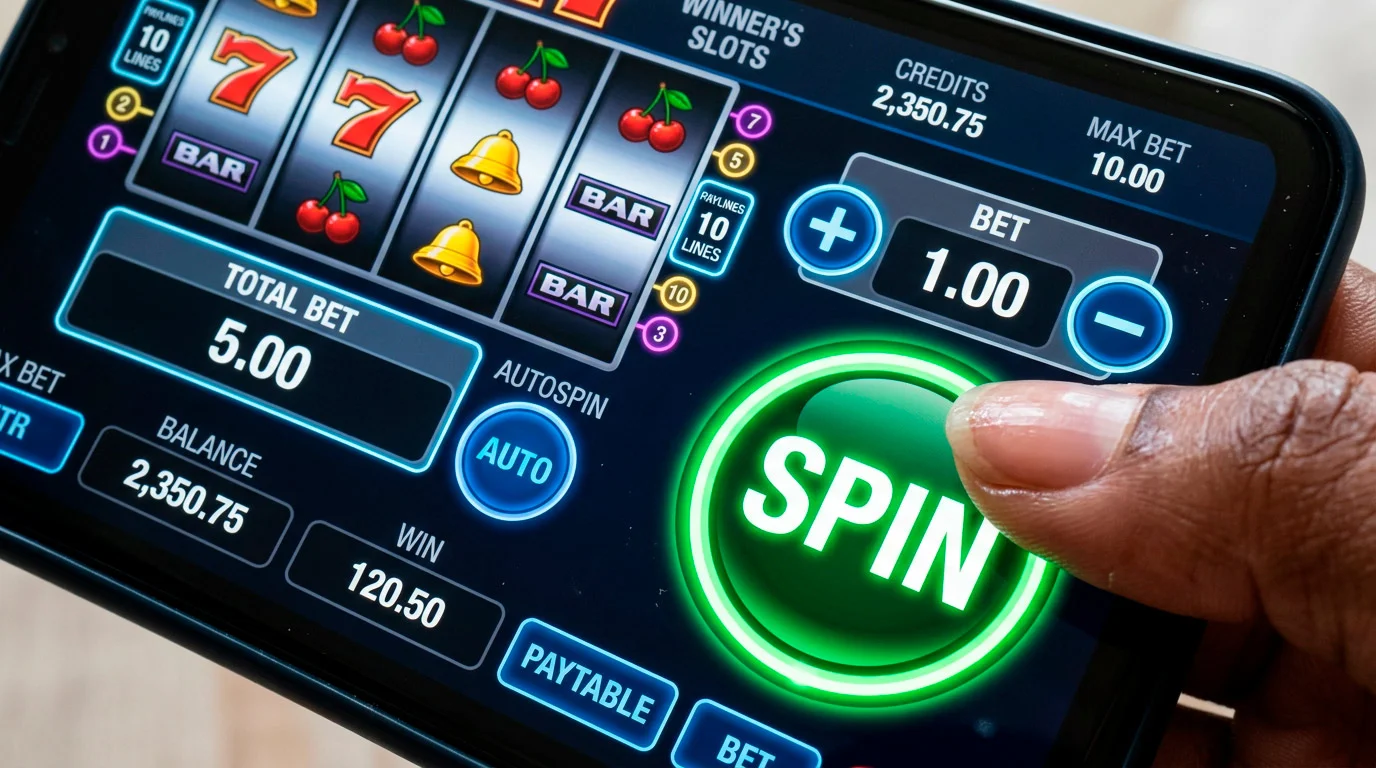
Spin buttons are larger. Bet selection menus are simplified. Paytable information is condensed into fewer screens. Bonus round interactions use swipe and tap rather than click-and-drag. These are not cosmetic changes — they alter the pace and feel of play. A desktop player might review the paytable, adjust bet levels carefully, and play at a measured pace. A mobile player, thumb hovering over a large spin button, tends to play faster. The removal of autoplay in May 2025 mitigated this to some extent by requiring a deliberate action per spin, but the ergonomics of mobile — large button, small effort, rapid repetition — still encourage higher-frequency play.
Live casino games present unique mobile challenges. Evolution Gaming, whose platforms handle 73.4% of global live dealer traffic, has developed mobile-specific interfaces for blackjack, roulette, and game shows. Table elements are repositioned, betting areas are resized for touch input, and chat functionality is minimised to preserve screen real estate. The experience works, but it demands more attention than a slot — you need to make decisions within time limits, and the smaller interface increases the risk of misclicks on bet placement.
The full picture is in our guide to UK real-money online casinos.
Mobile Payments and the Friction Factor
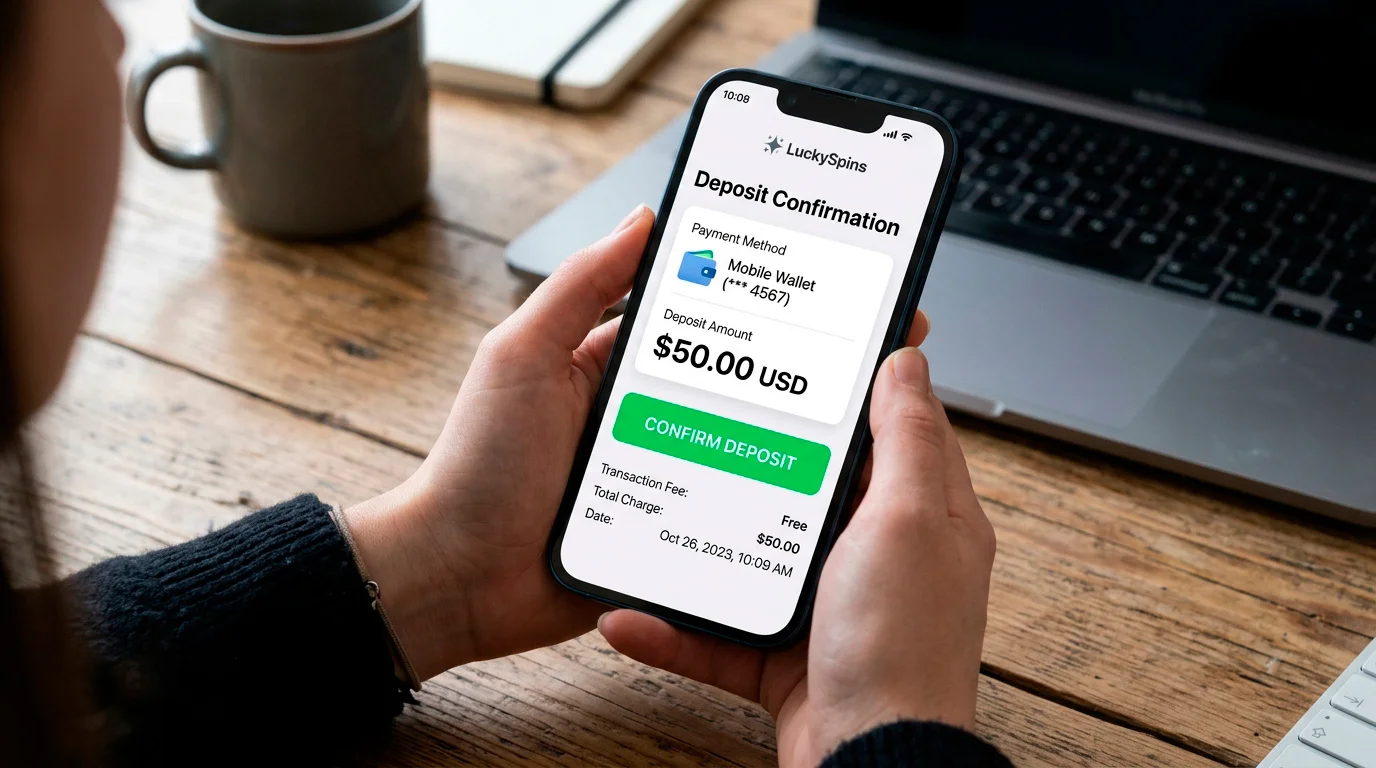
Depositing on mobile is faster than on desktop, and that speed cuts both ways. Apple Pay and Google Pay enable one-touch deposits — authenticate with Face ID or fingerprint, confirm the amount, done. The transaction completes in under five seconds. PayPal on mobile is similarly frictionless once linked. Debit card deposits require entering card details (or selecting a saved card), which adds a few seconds of friction but remains faster than most desktop checkout flows.
The speed of mobile deposits is relevant to player protection because friction is itself a safeguard. The few seconds it takes to type in a card number create a pause — however brief — between the impulse to deposit and the action of depositing. One-touch payment methods eliminate that pause. Deposit limits become more important in a mobile context precisely because the payment infrastructure is designed to minimise resistance to spending.
Withdrawals on mobile follow the same process as on desktop, with the same processing times and same-method requirements. The mobile interface for withdrawal requests is typically functional but less prominently positioned than deposit options — a design choice that reflects the operator’s commercial incentive but does not violate any specific regulatory requirement. The UKGC has published guidance recommending that withdrawal processes should be no more difficult to access or complete than deposit processes, though this remains guidance rather than a binding licence condition.
Battery, Data, and Practical Mobile Gaming Considerations
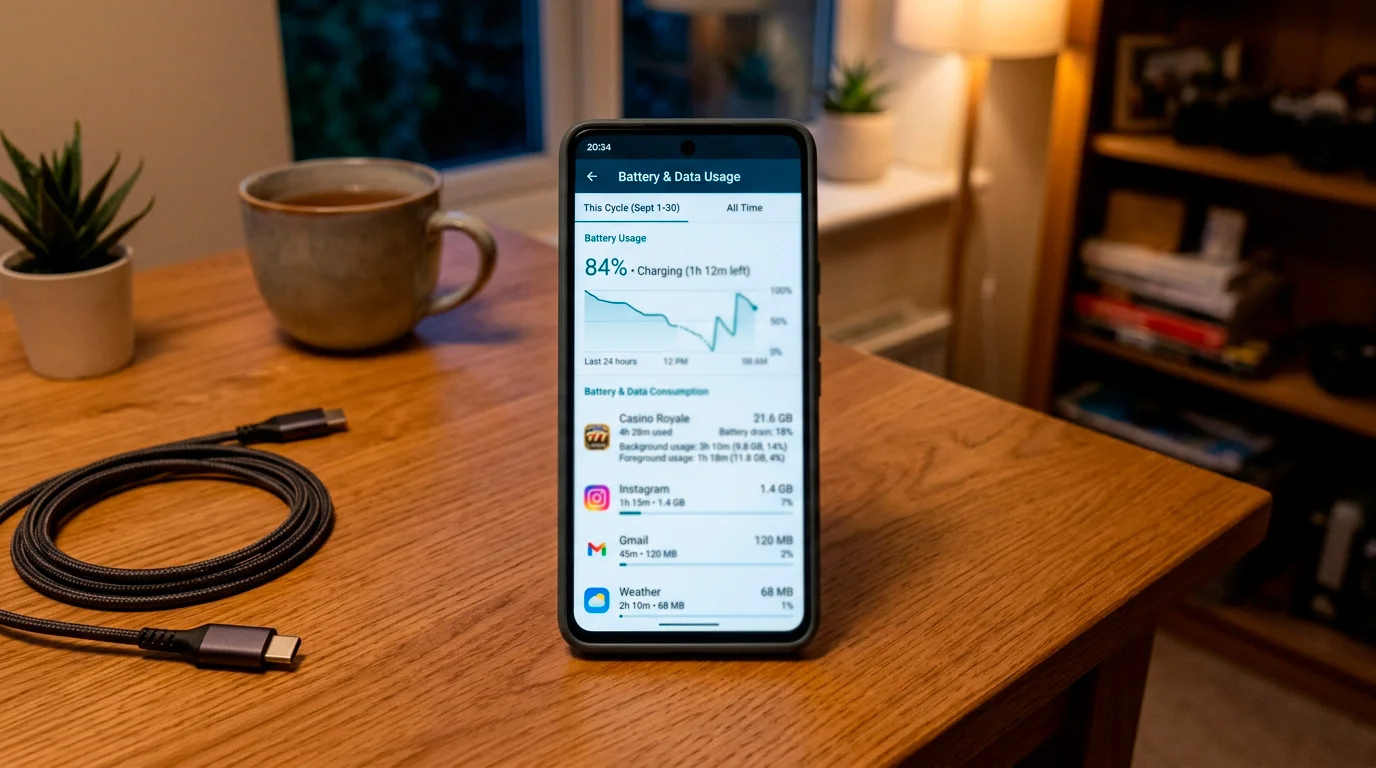
Modern casino games, particularly live dealer titles, consume significant battery and data. A live roulette session streams video in real time, drawing roughly 200-400 MB per hour depending on quality settings. On a capped data plan, a 30-minute live casino session uses a noticeable portion of your monthly allowance. RNG games — slots, virtual table games — are far lighter, typically consuming 5-20 MB per hour because they load assets locally rather than streaming video.
Battery drain follows a similar split. Slots are relatively light, running comfortably for hours without significant battery impact. Live dealer games, with their continuous video stream and active network connection, can drain 15-25% of battery per hour on most modern smartphones. Playing live casino on mobile without access to a charger is a practical consideration that affects session length whether you plan it or not — and an unplanned end to a session due to a dead battery is a surprisingly common source of player frustration, particularly during live blackjack hands where leaving mid-round results in automatic stand decisions.
Articles
Created by the "onlinecasinorealmoneyuk.com" editorial team.