

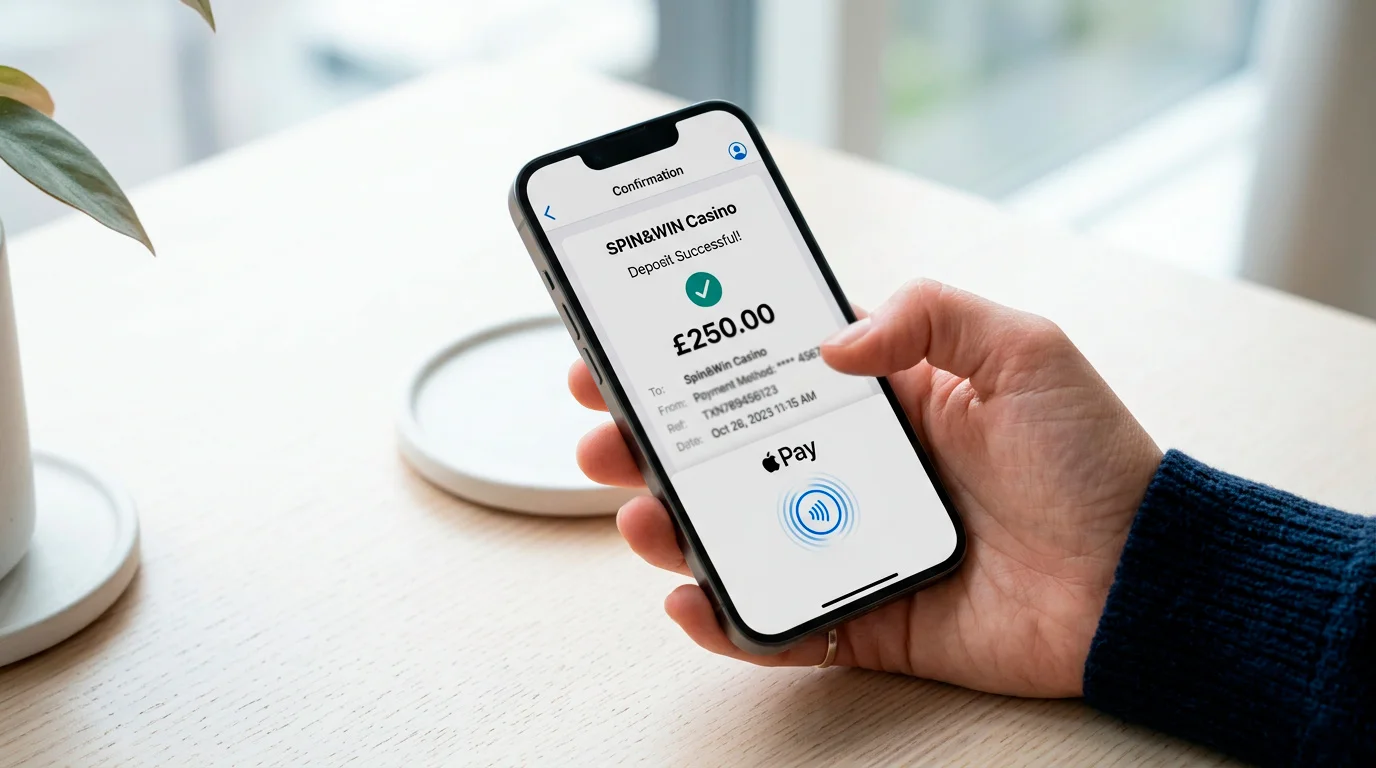
Apple Pay became a standard payment method in UK retail years ago, and its expansion into online gambling felt inevitable. With mobile devices generating over 60% of UK online casino revenue, a payment method built into the phone itself — one tap, Face ID, done — removes the friction of typing card numbers on a small screen. I have watched operators scramble to integrate it, marketing “Apple Pay accepted” as a feature alongside licence badges and game counts. What those same operators rarely emphasise is the fundamental limitation: Apple Pay works beautifully for deposits and barely works at all for withdrawals. That asymmetry defines the entire Apple Pay casino experience in the UK, and understanding it before you deposit saves frustration later.
Which methods pay out fastest: the fast withdrawal ranking.
Depositing With Apple Pay at UK Casinos: Speed and Limits
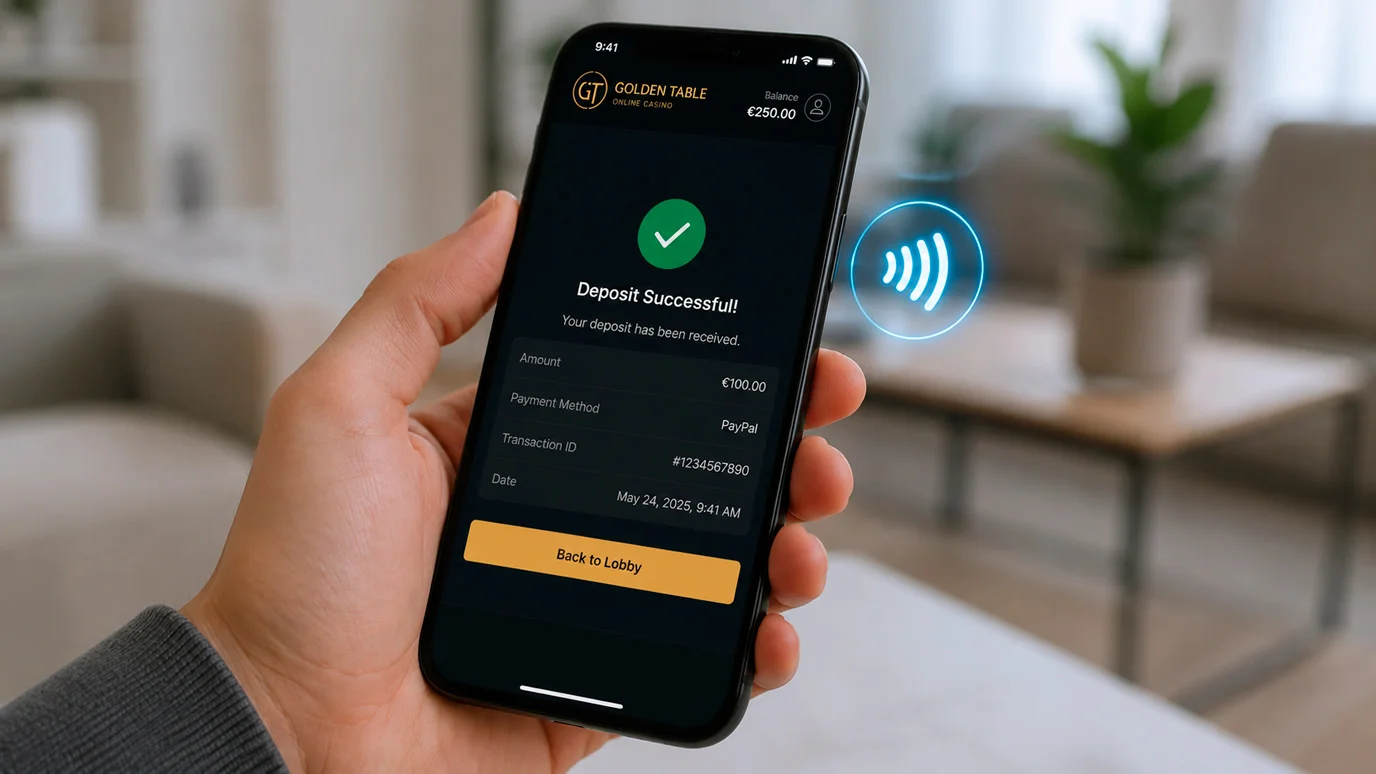
The deposit process is the part that works exactly as advertised. You select Apple Pay at the cashier, enter the amount, authenticate with Face ID or Touch ID, and the funds appear in your casino balance within seconds. No redirects, no logins, no card number entry. The transaction routes through whatever debit card you have linked to your Apple Wallet, and the operator receives a tokenised payment — a unique code rather than your actual card details.
This tokenisation is Apple Pay’s security advantage over direct debit card entry. The operator never sees your card number. If their payment system is compromised, your card data is not exposed. For players who use multiple casino platforms, this layer of abstraction reduces the risk surface across all of them.
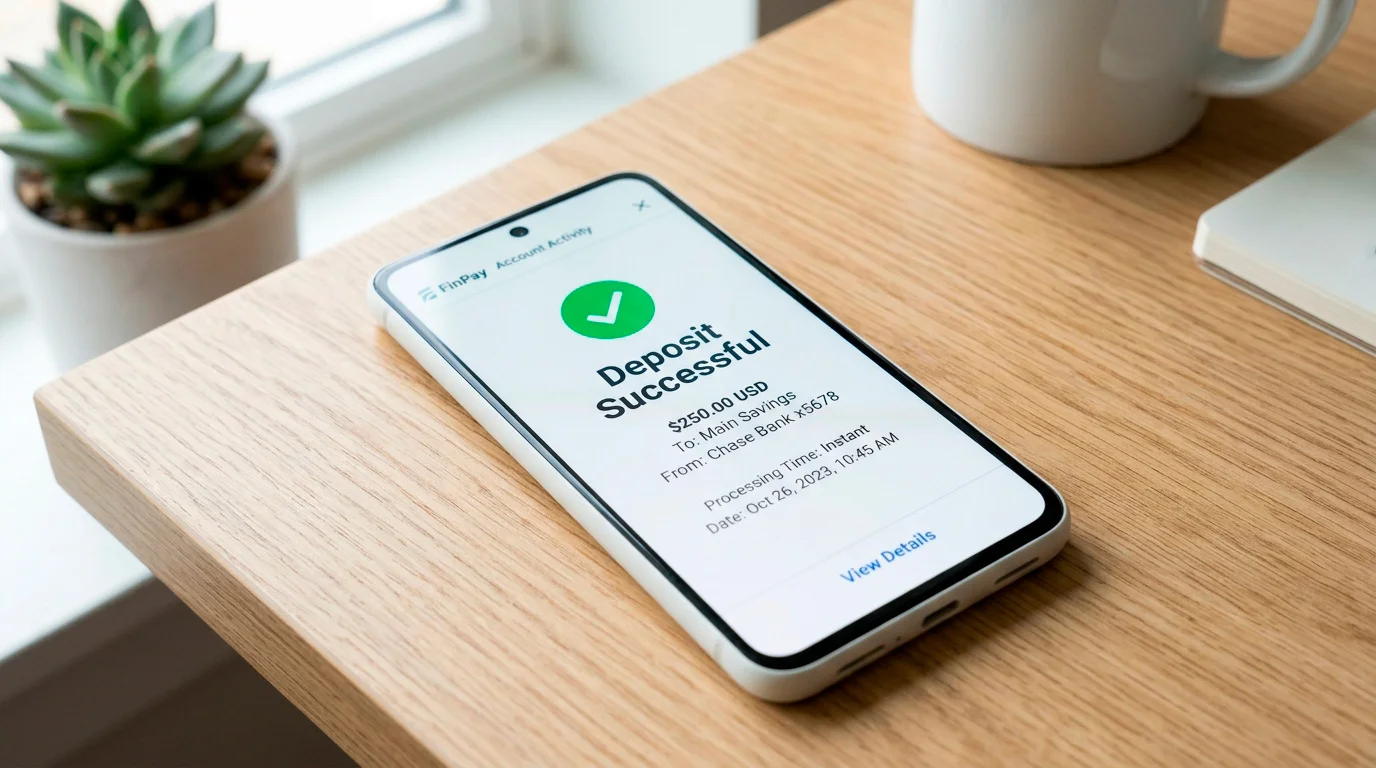
Deposit limits via Apple Pay mirror the limits of the underlying debit card. Most operators set Apple Pay minimums at £5 or £10, identical to direct card deposits. Maximum single transactions vary — typically £5,000 to £10,000, though your card issuer may impose its own ceiling. If you hit a deposit limit, it could be the operator’s cap, Apple Pay’s per-transaction threshold, or your bank’s spending limit. The only way to diagnose which one is restricting you is to try a smaller amount and work upward.
Speed is the one dimension where Apple Pay genuinely outperforms alternatives. The authentication-to-credit cycle is faster than typing a 16-digit card number and CVV, faster than logging into PayPal, and faster than initiating a bank transfer. On a mobile device — where the majority of UK gambling activity happens — that speed advantage is real and meaningful, especially for players making frequent small deposits during sessions.
The Withdrawal Problem: Why Most Casinos Can’t Pay Out to Apple Pay
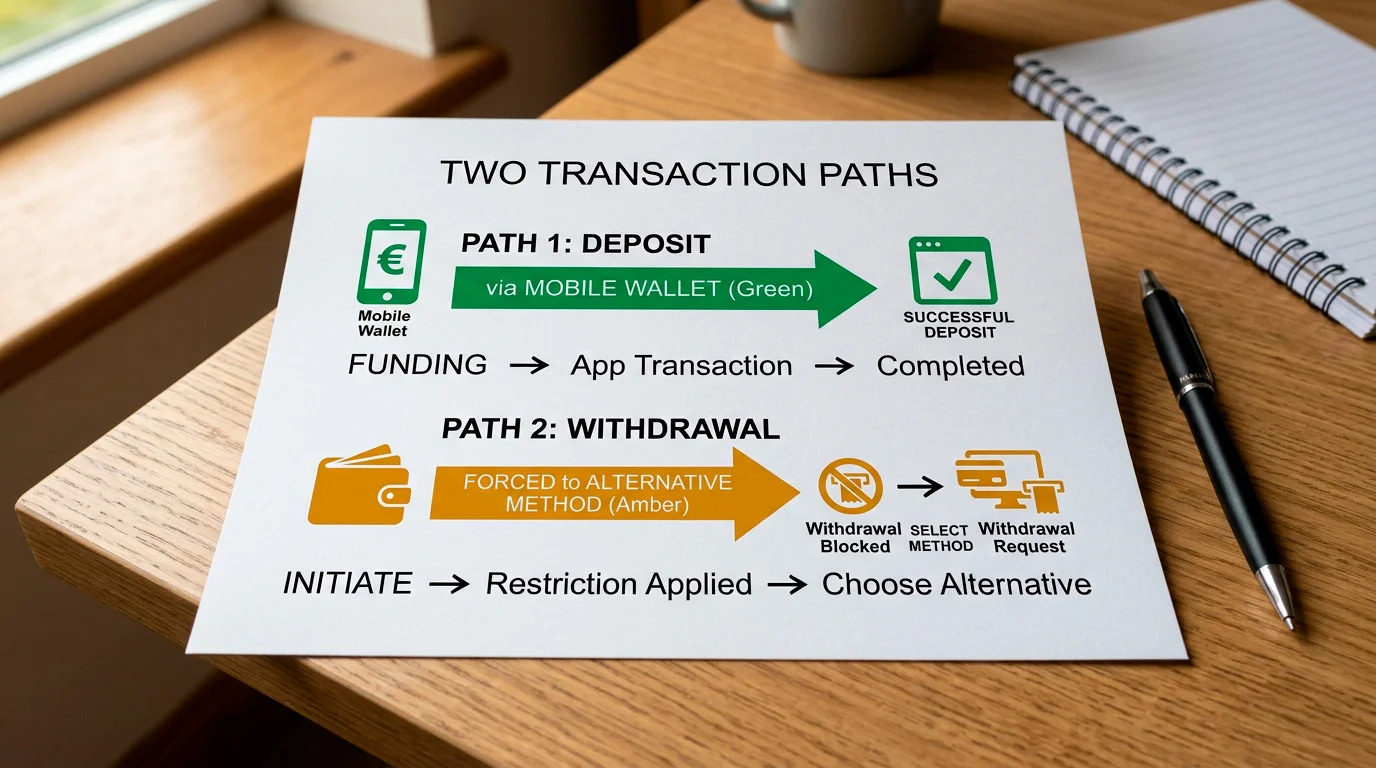
Here is where the experience breaks down, and I have fielded more confused questions about this than about almost any other payment topic in the past two years. Apple Pay does not support inbound payments in the same way it supports outbound ones. The architecture is designed for spending — you push money out of your wallet to a merchant. The merchant cannot push money back into your Apple Wallet because the tokenised card number used during deposit is a one-way reference.
In practice, this means that when you request a withdrawal at a casino where you deposited via Apple Pay, the operator must find an alternative route for your funds. The UKGC’s same-method rule requires operators to attempt returning withdrawals via the deposit method, but Apple Pay’s technical limitations make a direct return impossible in most implementations. The operator typically falls back to the underlying debit card — sending the withdrawal to the Visa or Mastercard number linked to your Apple Wallet. This works, but the processing time reverts to standard debit card withdrawal speeds: one to five business days, rather than the instant credit you experienced on the deposit side.
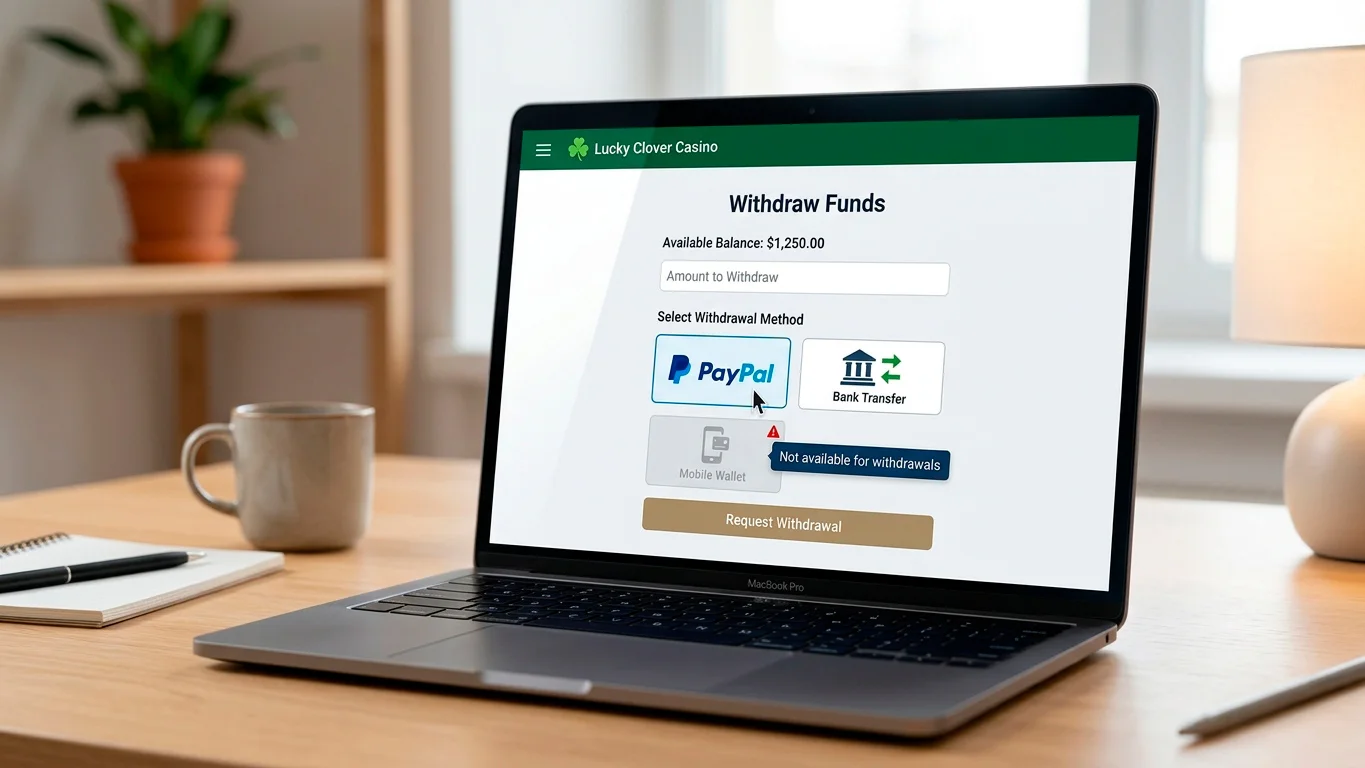
Some operators have begun implementing Visa Direct or Mastercard Send, which can process withdrawals to the card behind your Apple Pay almost instantly. But adoption is patchy. As of mid-2026, fewer than a quarter of UK-licensed operators I have reviewed support these rapid-payout rails for Apple Pay users. The rest default to standard card processing, and players who expected instant withdrawals based on their instant deposit experience are left waiting.
The Financial Vulnerability Check threshold at £150 in net deposits over 30 days adds another layer. If your cumulative Apple Pay deposits cross that threshold, the operator will initiate enhanced checks regardless of the payment method used. The speed of Apple Pay deposits can make it easy to reach £150 across multiple small top-ups without noticing, so tracking your deposit total is particularly relevant for this payment method.
The full picture is in our guide to UK real-money online casinos.
Alternative Methods When Apple Pay Withdrawal Isn’t Available
Since Apple Pay withdrawals remain unreliable, planning your exit route before you deposit is sound practice. The options fall into three categories, and each has trade-offs worth knowing.
Debit card fallback is the default. Your withdrawal goes to the card linked to your Apple Wallet. The advantage is that it requires no additional setup — the operator already has the tokenised card reference from your deposit. The disadvantage is speed: one to five business days versus the seconds you experienced when depositing. If speed matters, this is not the optimal path.
E-wallet setup is the faster alternative. If you deposit once via PayPal, Skrill, or Neteller after your initial Apple Pay deposit, the most recent deposit method becomes the withdrawal destination under the same-method rule. E-wallet withdrawals typically process within hours once the operator approves them. The trade-off is that you need to create and verify an e-wallet account, which adds an upfront step. For the details of how PayPal specifically handles casino transactions, the PayPal casino breakdown covers limits, fees, and processing windows.
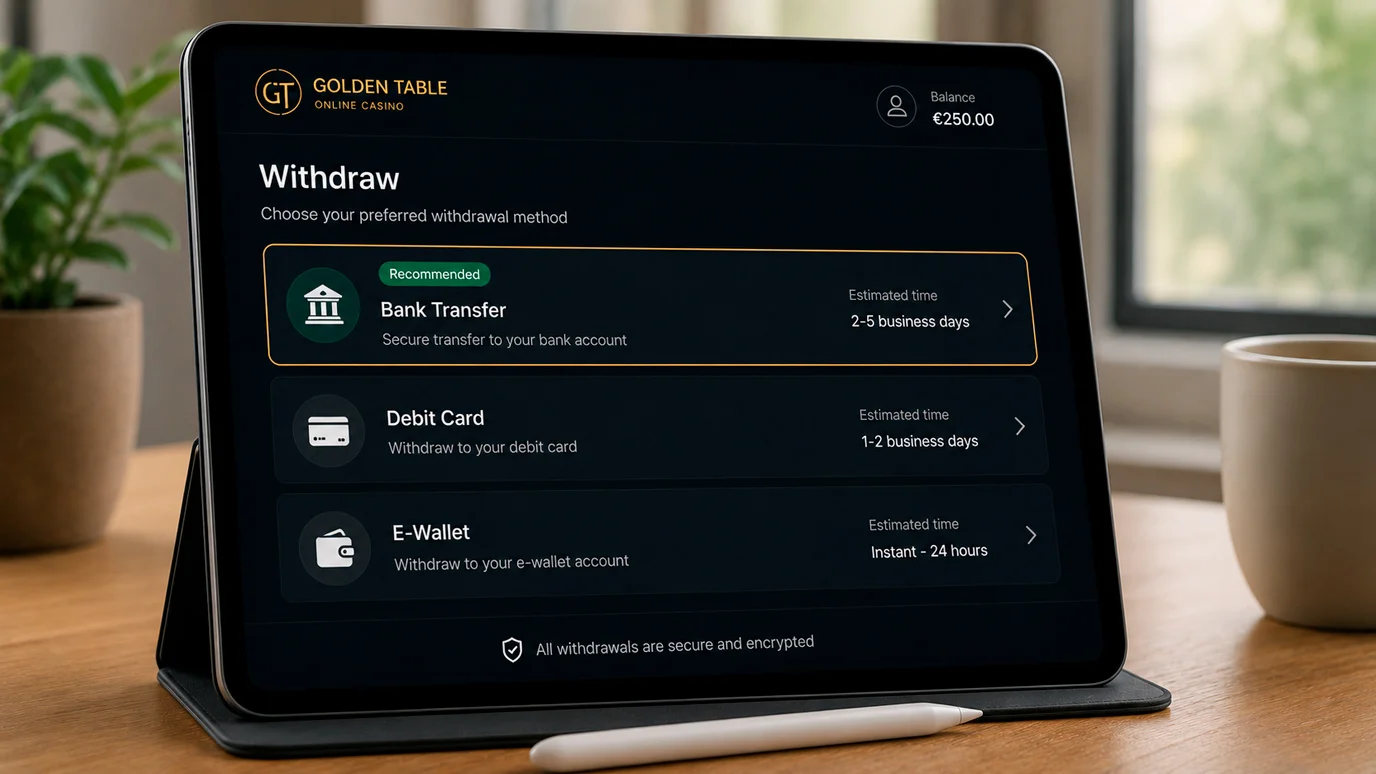
Bank transfer is the third option, available at most UK operators for withdrawals above a minimum threshold (often £20 or £50). Standard bank transfers take one to three business days. Faster Payments, where supported, can arrive the same day. The trade-off is that bank transfers require entering your sort code and account number into the operator’s system, which sacrifices the payment isolation that made Apple Pay attractive in the first place.
The practical recommendation is straightforward: if you value fast withdrawals, use Apple Pay for deposits but establish an e-wallet as your withdrawal channel. If you value simplicity and do not mind waiting a few days, let the operator default to your debit card. Either way, do not expect to withdraw to Apple Pay directly — the technology does not currently support it at most UK-licensed platforms.
Articles
Created by the "onlinecasinorealmoneyuk.com" editorial team.