


More than 600,000 people have registered with GAMSTOP, the UK’s national online self-exclusion scheme. Around 525,000 of those exclusions remain active. The growth rate tells its own story — over 100,000 new registrations in just eleven months, with a 44% year-on-year increase among 16-to-24-year-olds. These are not abstract figures. Each registration represents someone who concluded that the most effective way to manage their gambling was to lock themselves out of every UKGC-licensed online gambling site simultaneously. GAMSTOP is the most powerful player protection tool in the UK regulatory framework, and it is the one least understood in terms of what it actually covers, what it does not, and what happens when the exclusion period ends.
The tools beyond the scheme: responsible gambling tools.
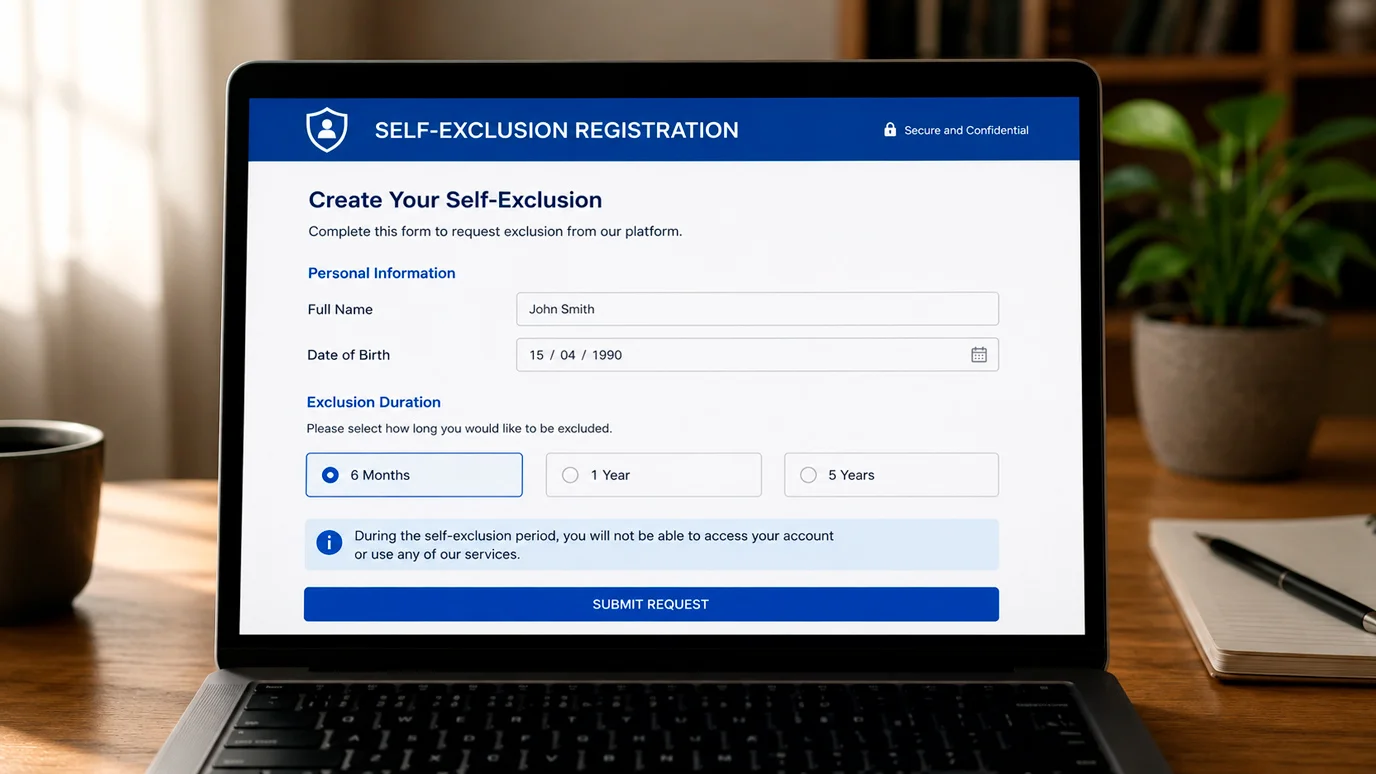
How GAMSTOP Works: Registration, Duration, and Coverage
GAMSTOP itself described the surge in registrations as evidence of a widespread need for self-exclusion, highlighting the crucial role of the harm prevention sector. The system is free, takes about five minutes to set up, and requires no documentation beyond your personal details.
Registration happens on the GAMSTOP website. You provide your name, date of birth, email address, and postcode. You then select an exclusion period: six months, one year, or five years. Once you confirm, the exclusion takes effect within 24 hours. All UKGC-licensed online gambling operators — casinos, sports betting sites, bingo platforms, lottery sites — are required to check new and existing accounts against the GAMSTOP register. If your details match, your account is closed or restricted, and you cannot open new ones.

The matching is based on personal information, not device or IP address. GAMSTOP cross-references your name, date of birth, email, and postcode against operator databases. This means the system catches accounts registered under your real details but cannot prevent someone from registering under false information — though doing so would breach the operator’s terms and conditions and potentially constitute fraud.
Coverage is comprehensive across UKGC-licensed operators. Every holder of a remote operating licence must integrate with GAMSTOP and check their customer base against the register. In practice, this means every legal online gambling site available to UK players participates. The system processes exclusions across all operators simultaneously — you do not need to self-exclude with each operator individually, which was the pre-GAMSTOP reality and a significant barrier to effective self-exclusion.
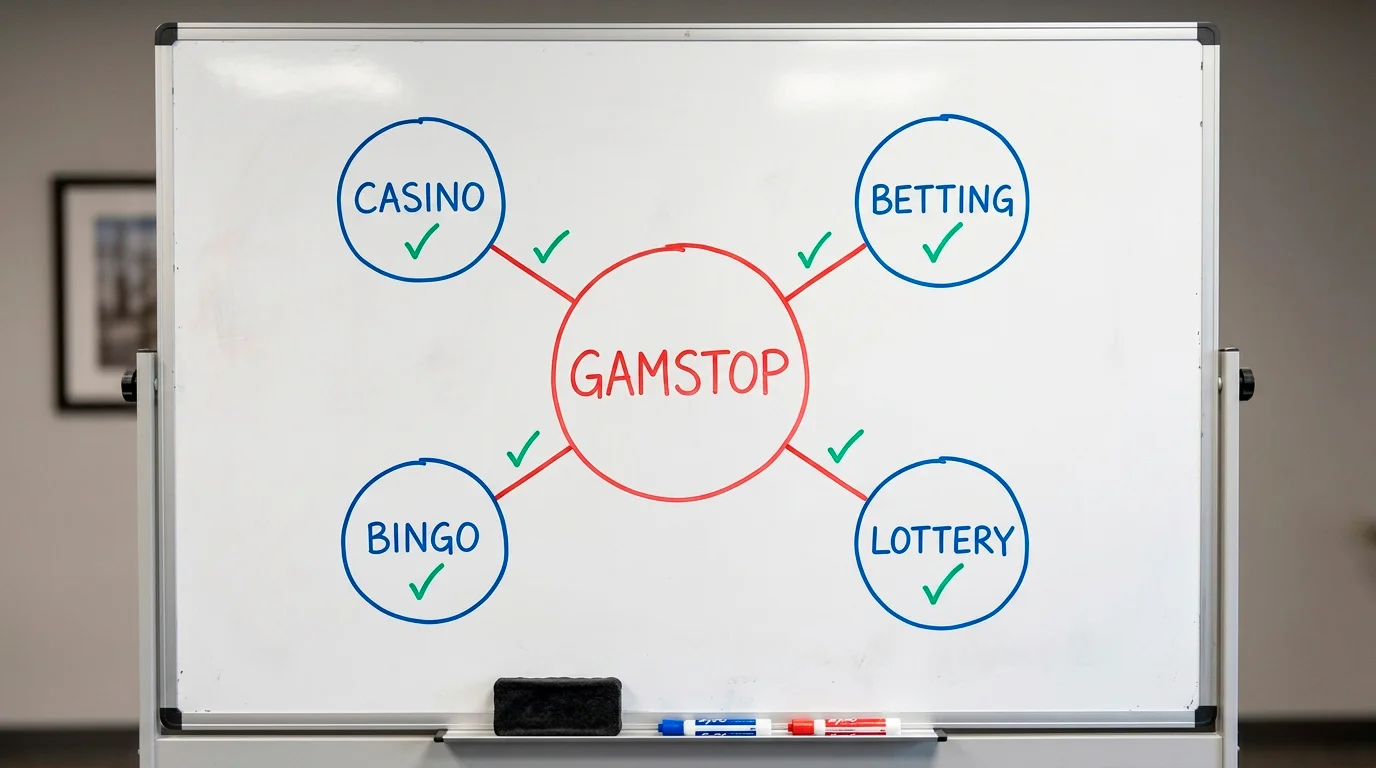
What GAMSTOP Doesn’t Cover: Land-Based, Offshore, and Lotteries
GAMSTOP’s scope has clear boundaries, and those boundaries are the source of its most significant limitations.
Land-based casinos, betting shops, and bingo halls are not covered by GAMSTOP. Self-exclusion from physical venues requires a separate process through the operator’s own self-exclusion programme or through multi-operator schemes like the Multi-Operator Self-Exclusion Scheme (MOSES) for betting shops. If you register with GAMSTOP, you can still walk into a casino or betting shop and gamble. This gap is well-documented and frequently cited as a limitation of the online-only approach.
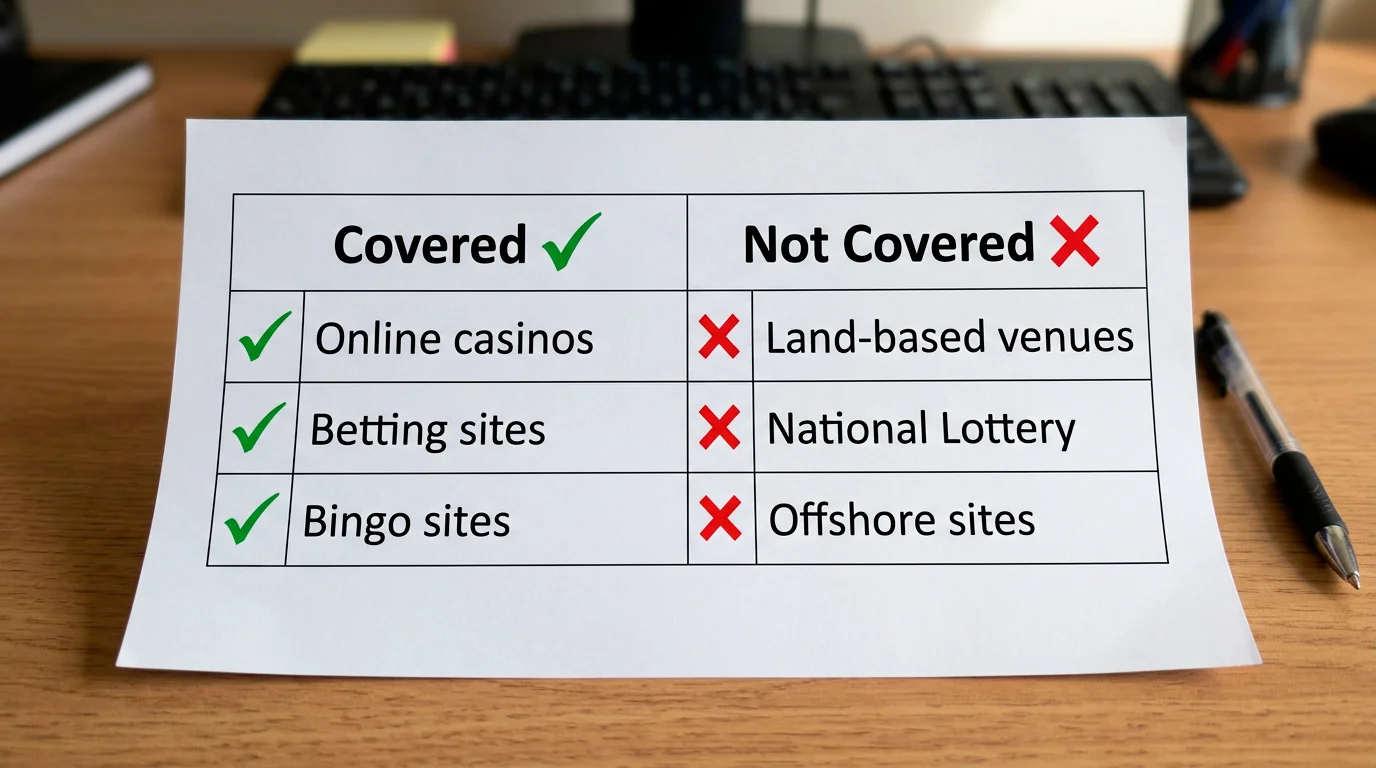
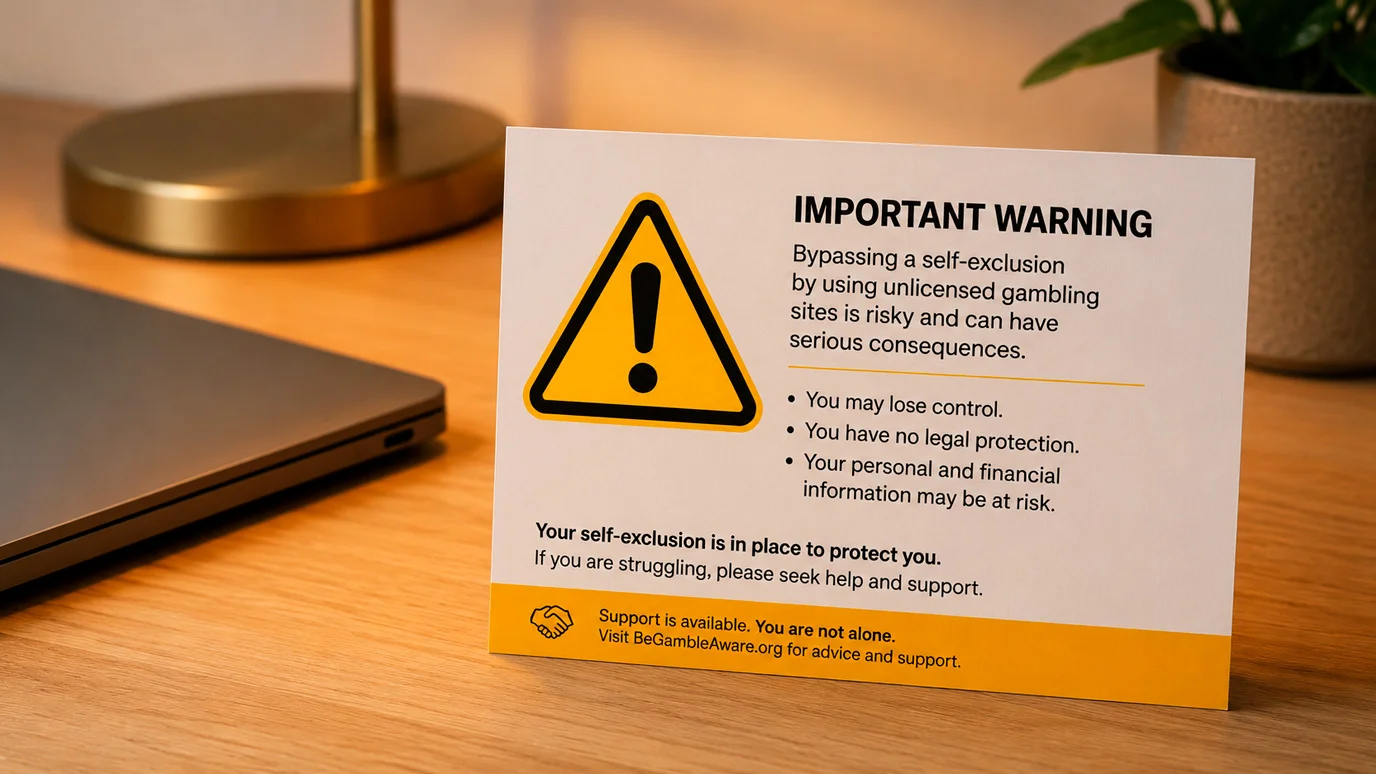
Offshore, non-UKGC-licensed sites are not covered. GAMSTOP only operates within the UKGC licensing framework. Operators based overseas without UK licences have no obligation to — and no mechanism to — check the GAMSTOP register. This is one of the drivers behind the black market concern: players who self-exclude from regulated sites and then seek out unregulated alternatives lose every protection the UK system provides while retaining the compulsion that drove them to self-exclude in the first place.
The National Lottery and its licensed products are not part of the GAMSTOP system. Camelot (and its successor Allwyn) operates under a separate National Lottery licence, and GAMSTOP registration does not block access to lottery games, scratchcards, or online lottery play. This exception exists because the National Lottery operates under different legislation (the National Lottery etc. Act 1993) rather than the Gambling Act 2005.
The full picture is in our guide to UK real-money online casinos.
Spread betting and financial trading platforms — even those that resemble gambling in structure — fall outside GAMSTOP’s scope because they are regulated by the Financial Conduct Authority rather than the Gambling Commission. The distinction matters because some binary options and contracts-for-difference products closely mirror the mechanics of casino games, yet fall entirely outside gambling regulation and self-exclusion infrastructure.
Ending a Self-Exclusion Period: Cooling-Off and Re-Entry
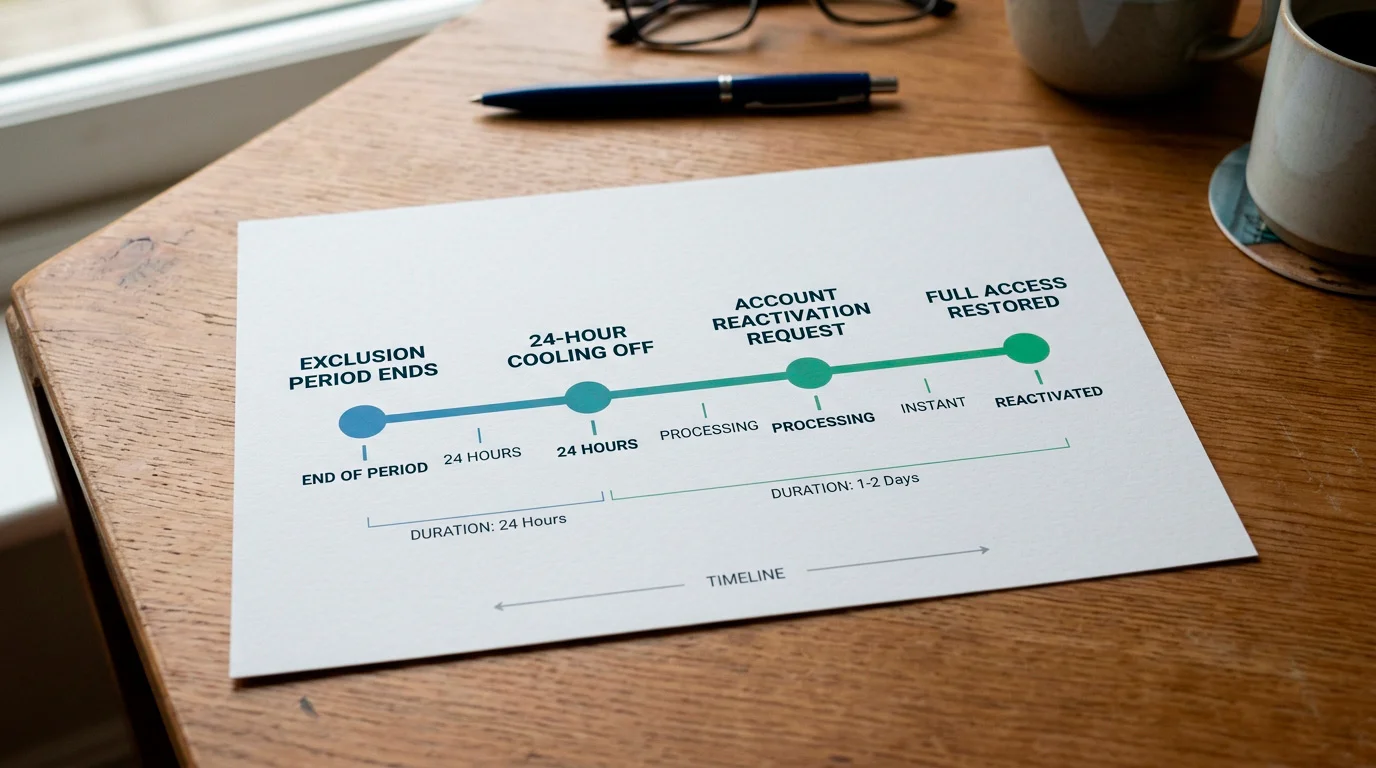
The exclusion period you select at registration is a minimum, not a fixed duration. A six-month exclusion lasts at least six months. It does not automatically end when the period expires — you must actively choose to end it.
When your minimum period expires, GAMSTOP allows you to request removal from the register. The process includes a mandatory 24-hour cooling-off period between your request and the actual removal. During this cooling-off window, you can cancel the removal request and remain on the register. The design is intentional — it creates a pause between the impulse to return to gambling and the ability to act on it.
Once the cooling-off period passes and you confirm the removal, your details are removed from the GAMSTOP register. Operators will no longer block your accounts or prevent new registrations. However, some operators may retain internal records of your previous self-exclusion and may apply their own policies regarding re-entry — enhanced monitoring, mandatory deposit limits, or proactive outreach from their responsible gambling team.
If you selected a five-year exclusion, it cannot be shortened. There is no mechanism to end a five-year GAMSTOP exclusion early, regardless of circumstances. This is deliberate — the longest exclusion period is designed for people who want maximum protection and minimum ability to reverse the decision during a period of vulnerability. If you are unsure about the duration, starting with six months and renewing is less restrictive than committing to five years and discovering it cannot be shortened.
For players who want less drastic measures than full self-exclusion, time-outs and deposit limits offer intermediate options. The responsible gambling tools guide covers these alternatives and how they complement or substitute for GAMSTOP registration.
Articles
Prepared by the onlinecasinorealmoneyuk.com editorial staff.