

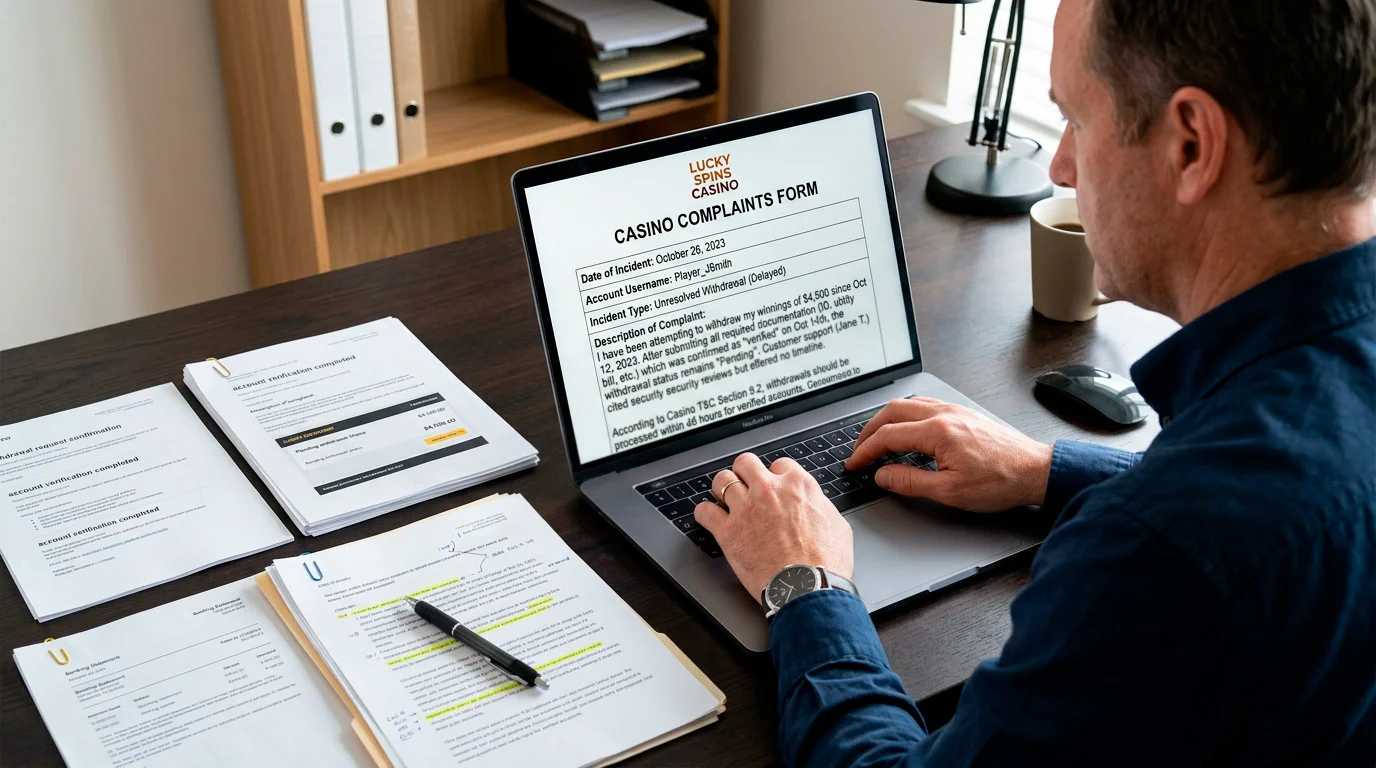
The email arrived at 2am: a player had won £4,200 on a live roulette session, requested a withdrawal, and been told his account was under review with no timeline for resolution. He had been waiting eleven days. I was not his advocate — I was auditing the operator’s complaint handling procedures — but his case illustrated a pattern I have seen dozens of times. The player did not know where to escalate, the operator’s internal complaint process was buried three clicks deep in the terms page, and the regulatory route — which would have resolved his issue — was something he had never heard of. UK online casino GGY reached £7.8 billion in the year to March 2025. With that volume of transactions, disputes are inevitable. What matters is the resolution infrastructure, and most players do not know it exists.
What licensing guarantees first: safe online casinos.
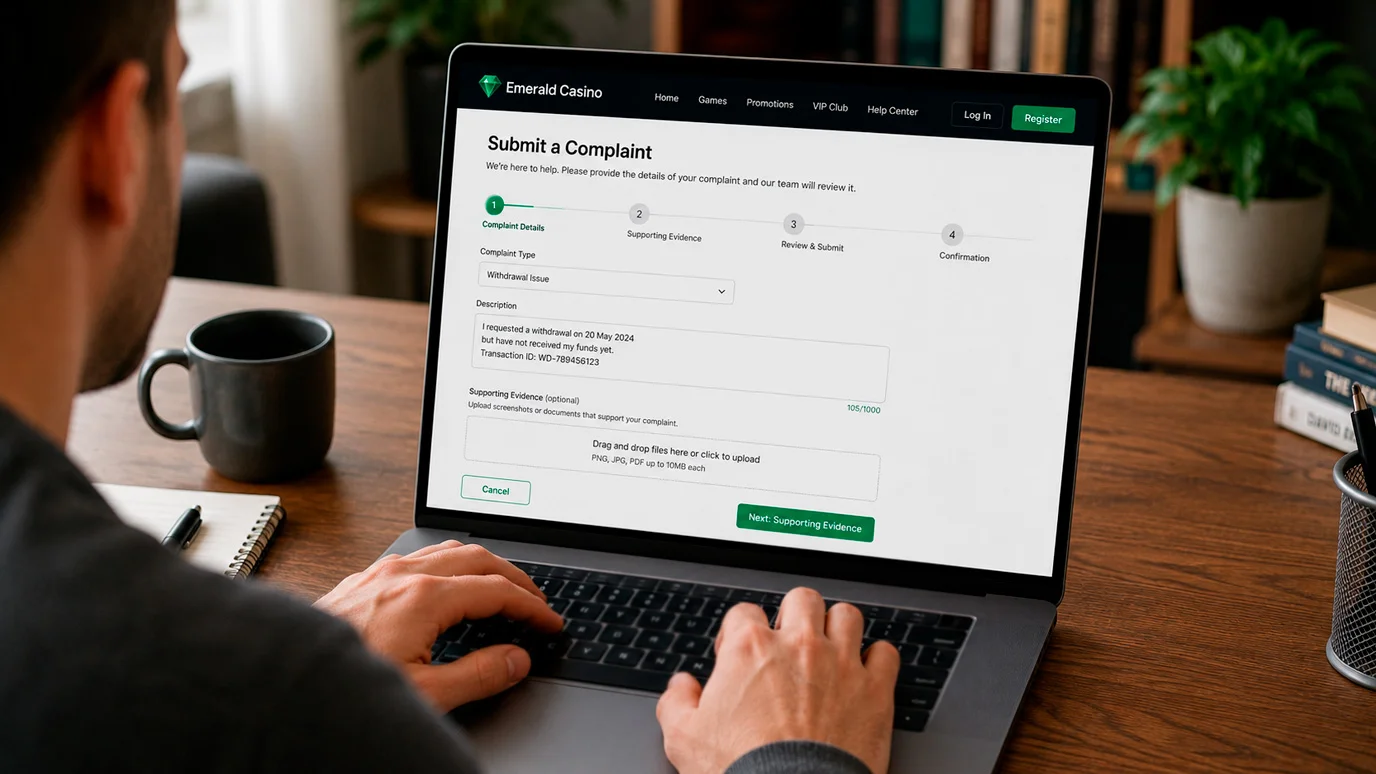
Step One: The Operator’s Internal Complaints Process
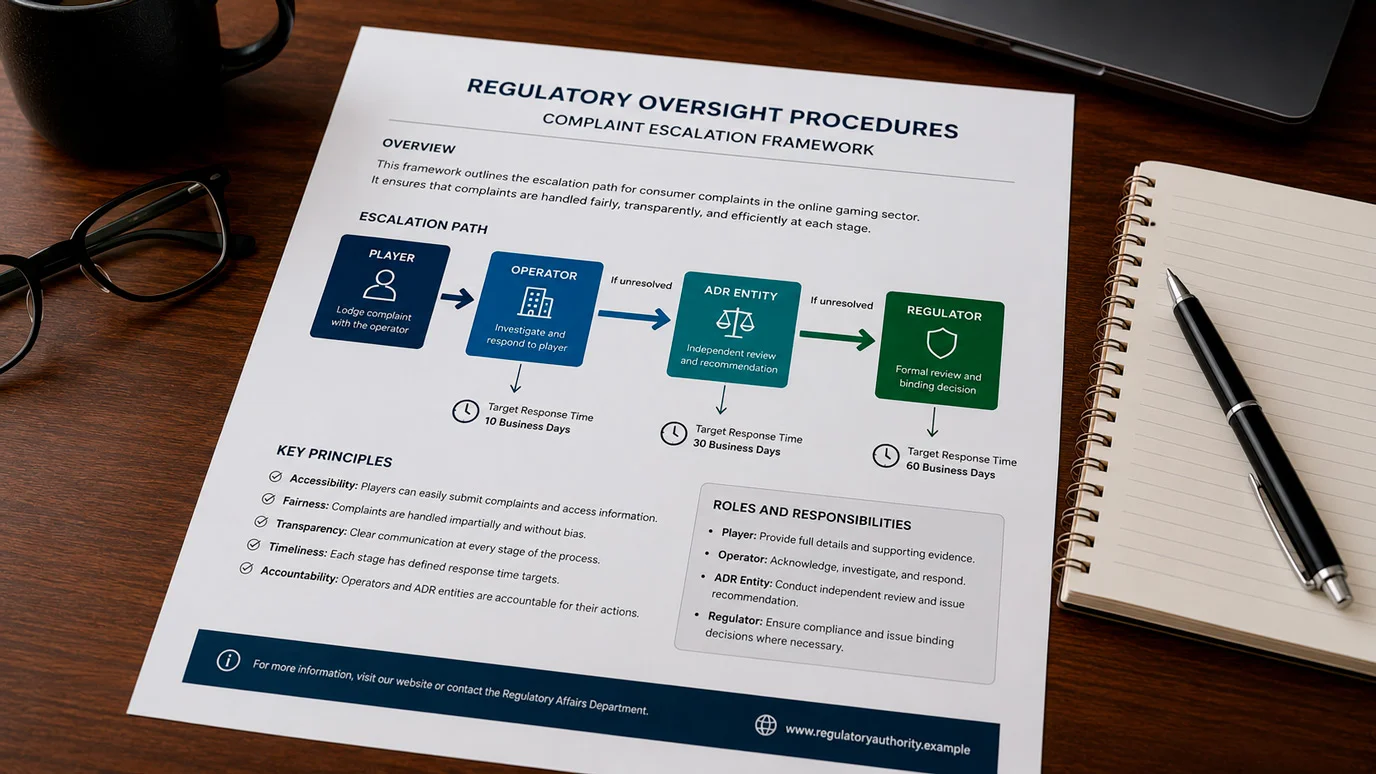
Every UKGC-licensed operator must maintain an internal complaints procedure and make it accessible to all customers. This is a licence condition, not a voluntary commitment. The procedure must be clearly described on the operator’s website, must include a defined timeline for response, and must identify a named or titled person or department responsible for handling complaints.
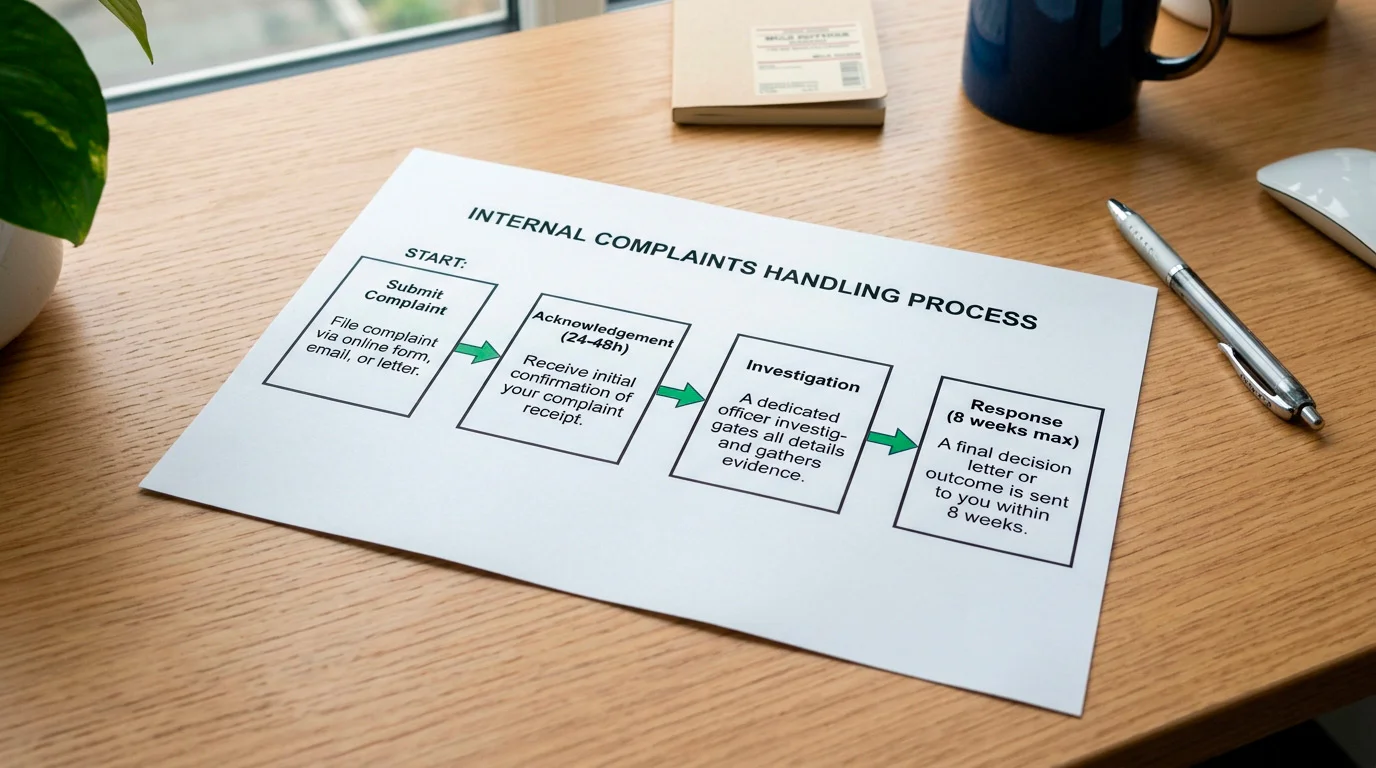
In practice, the quality of internal complaints handling varies enormously. Some operators resolve disputes within 48 hours through dedicated complaint teams with authority to issue refunds, reverse decisions, or escalate internally. Others treat the complaints procedure as a formality — an acknowledgement email followed by weeks of silence. I have audited both ends of this spectrum, and the difference is not correlated with the size of the operator. Some of the largest brands have the most frustrating complaint processes because the volume of complaints overwhelms their support infrastructure.
When you submit a complaint, document everything. Take screenshots of the game round or transaction in question, note the date and time, keep copies of all communication with the operator, and record the name or reference number of the support agent you spoke with. Operators are required to maintain records of all complaints, but having your own documentation protects you if the operator’s records are incomplete or if the complaint escalates beyond the internal process.
The operator must respond to your complaint within eight weeks. If they do not resolve it within that window — or if you are dissatisfied with their resolution — you have the right to escalate to an Alternative Dispute Resolution (ADR) provider.
The full picture is in our guide to UK real-money online casinos.

Step Two: Alternative Dispute Resolution
ADR is the mechanism most players do not know about, and it is the most effective tool available for resolving casino disputes in the UK. Every UKGC-licensed operator must be registered with an approved ADR provider, and must inform customers of their right to use that provider when a complaint cannot be resolved internally.
The main ADR providers for UK gambling disputes are eCOGRA, IBAS (Independent Betting Adjudication Service), and the Centre for Effective Dispute Resolution (CEDR). The operator’s chosen ADR provider is identified in their terms and conditions and on their complaints page. ADR is free for the player — the operator pays the cost of the service.
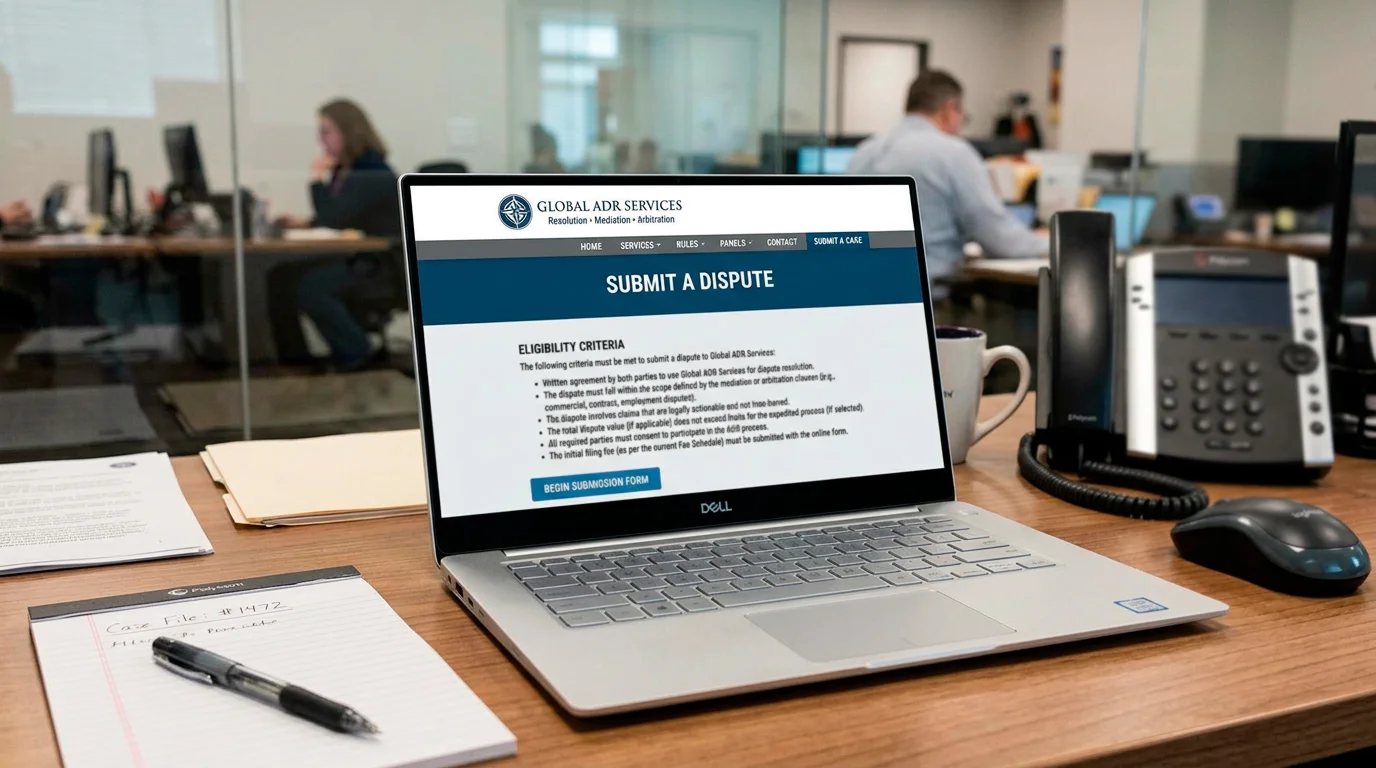
The ADR process is straightforward. You submit your complaint to the provider, along with your documentation and a summary of what happened and what resolution you are seeking. The ADR provider reviews the case, contacts the operator for their account, and issues a decision. ADR decisions are binding on the operator if you accept them. If you reject the decision, you retain the right to pursue the matter through the courts — though in practice, ADR resolves the vast majority of disputes without litigation.
Timelines vary by provider, but most ADR cases are resolved within 90 days. Complex cases involving disputed game outcomes, bonus term interpretations, or account closures may take longer. The Gambling Commission issued 741 cease-and-desist orders and disrupted 1,134 websites in the 2025-2026 financial year alone — enforcement capacity is significant, and operators take ADR outcomes seriously because a pattern of adverse decisions attracts regulatory scrutiny.
Step Three: The Gambling Commission’s Role
A common misconception is that the UKGC resolves individual player complaints. It does not. The Commission is a regulator, not an ombudsman. Its role is to oversee the licensing framework, enforce compliance, and take action against operators who breach licence conditions. Individual disputes between players and operators are handled through the internal complaint and ADR process described above.
What the Commission does do is monitor complaint patterns. If an operator generates an unusually high volume of complaints, or if complaints cluster around a specific issue (delayed withdrawals, bonus term disputes, account closures), the Commission may investigate and take regulatory action. That action can range from a formal warning to a financial penalty to licence suspension or revocation. The UKGC has allocated £26 million in additional funding for enforcement activities, and its track record of fines against major operators demonstrates that complaint-driven investigations produce real consequences.
You can report concerns directly to the Commission through its website. While this will not resolve your individual dispute, it contributes to the regulator’s intelligence picture and can trigger an investigation if your experience reflects a systemic issue. If multiple players report the same problem with the same operator, the cumulative reports carry significantly more weight than any single complaint. For the broader context of how UKGC enforcement works, the safe online casinos guide covers the Commission’s enforcement record and player protection mandates.
Common Dispute Categories and What to Expect
Having reviewed hundreds of complaint files, I can identify the categories that recur most frequently and the typical resolution patterns for each.
Delayed withdrawals are the single most common complaint. In most cases, the delay is caused by incomplete KYC verification, a pending period the player was unaware of, or a queue backlog at the operator’s payment department. ADR providers typically order the operator to process the withdrawal within a specified timeframe if the delay is not justified by a legitimate compliance reason. If the delay is caused by the player’s failure to provide requested documents, the ADR provider will usually find in the operator’s favour but recommend clearer communication.
Bonus term disputes are the second most common category. These typically involve disagreements about whether wagering requirements were met, whether a maximum bet rule was violated during bonus play, or whether a bonus expiry was applied correctly. ADR providers assess these cases against the published terms and conditions. If the terms are ambiguous, the provider tends to interpret ambiguity in the player’s favour — a principle the UKGC has reinforced through licence condition guidance. If the terms are clear and the player violated them, the operator’s decision is usually upheld.
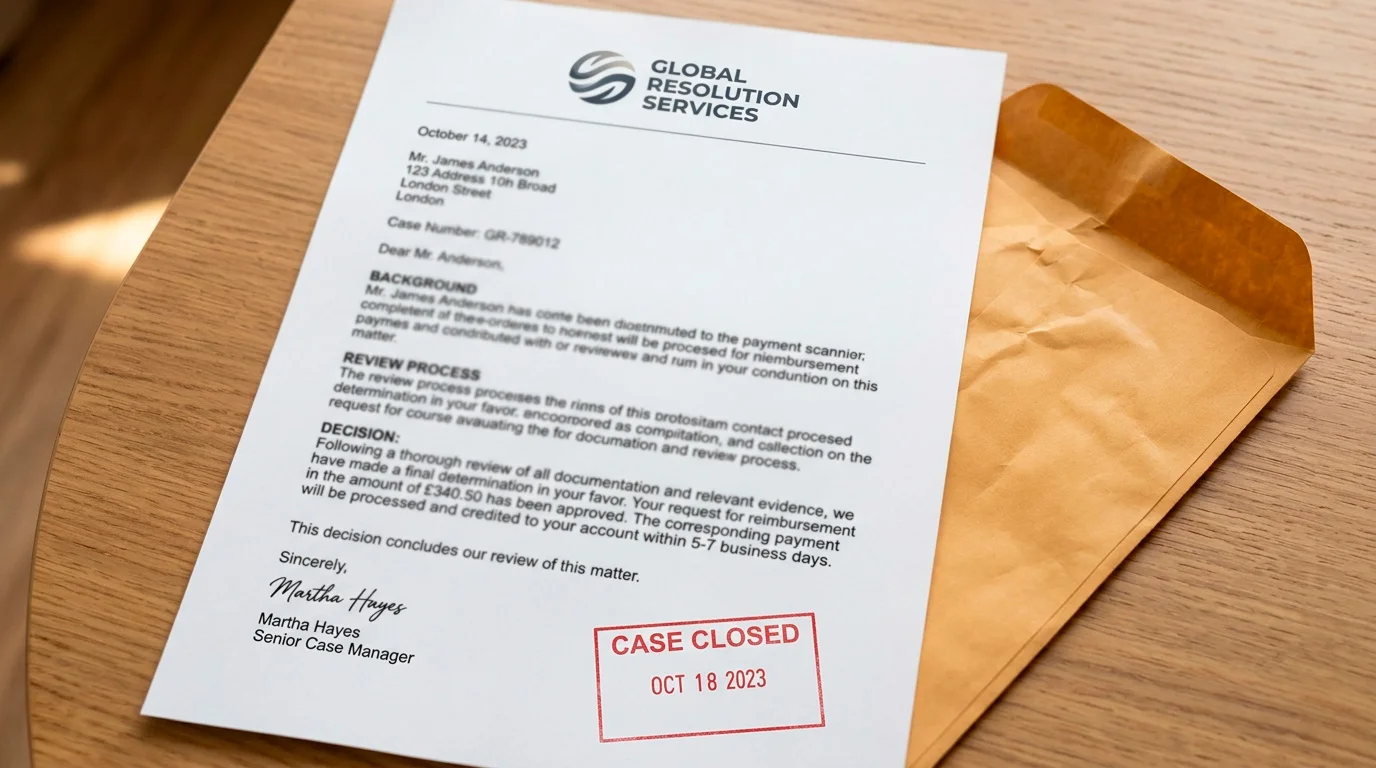
Account closures and restrictions generate complaints when operators close accounts or restrict betting limits without adequate explanation. Under UKGC guidance, operators have the right to close accounts at their discretion, but they must provide a reason and must process any remaining balance owed to the player. Complaints about withheld balances following account closure are treated seriously by ADR providers, and operators who close accounts while retaining player funds face significant regulatory risk.
Game outcome disputes — where a player believes a game malfunctioned or produced an incorrect result — are the most technically complex category. ADR providers typically request the game provider’s server logs, which record every bet, outcome, and random number generated. These logs are definitive. If the server log confirms the game operated correctly, the complaint is resolved in the operator’s favour regardless of what the player’s screen displayed. Network disconnections, visual glitches, and loading errors do not override the server-side outcome.
Articles
Prepared by the onlinecasinorealmoneyuk.com editorial staff.