

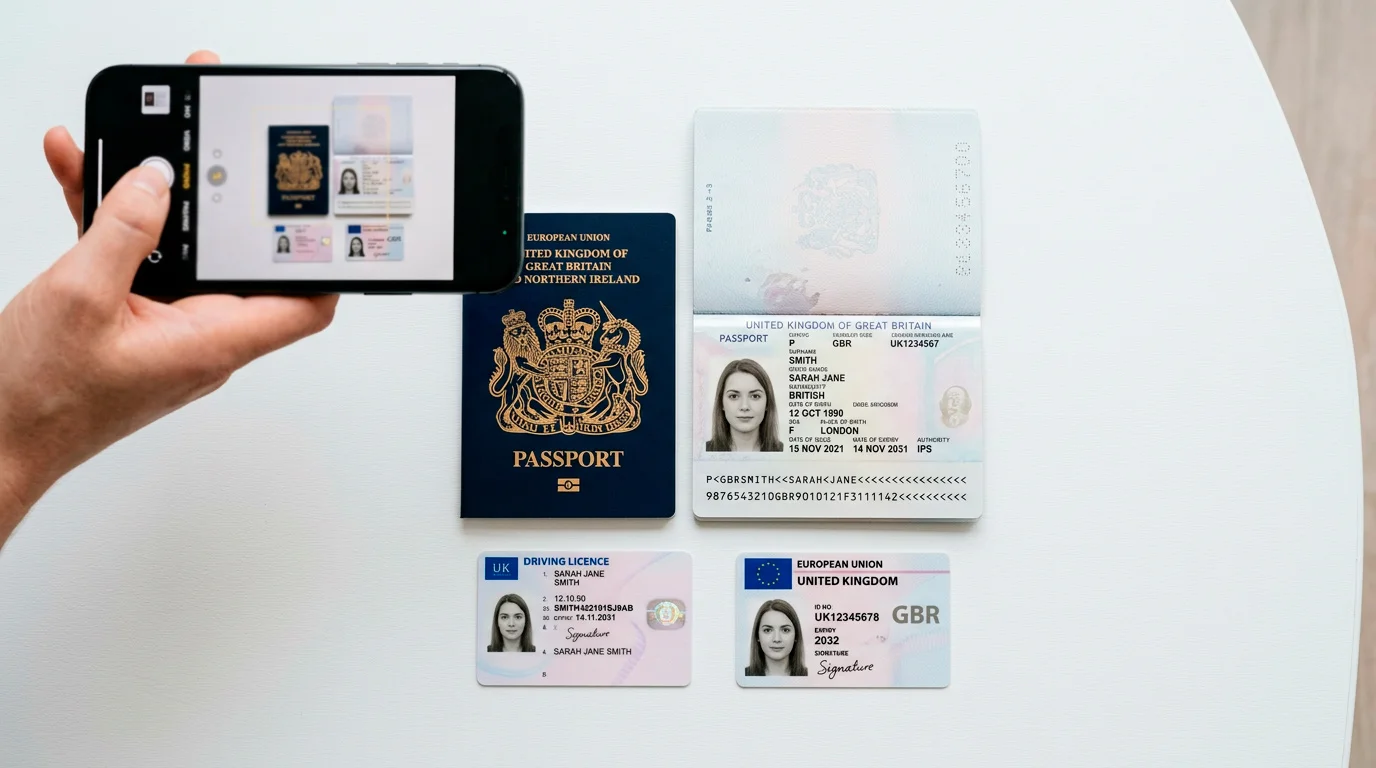
A YouGov survey commissioned by the Betting and Gaming Council found that 65% of British gamblers would refuse to provide personal financial documents if required to continue playing. That statistic captures the tension at the heart of UK casino verification — a regulatory obligation designed to prevent money laundering and protect vulnerable players, experienced by most players as an intrusive, opaque administrative hurdle. Having spent years on the operator side of this process, reviewing KYC workflows and advising on compliance frameworks, I understand both perspectives. The verification system is not optional, it is not going away, and approaching it informed rather than frustrated makes a material difference to how quickly you can deposit, play, and withdraw.
Where verification bites: withdrawal times.
KYC and AML at UK Casinos: What You’re Asked to Provide
The Gambling Commission uses precise terminology that operators sometimes blur. The UKGC itself has stated that financial risk assessments are a proposed way of identifying high-spending customers who may be in financial difficulties — explicitly distinguishing them from the broader “affordability checks” label that circulates in media coverage. Understanding what each layer of verification actually involves prevents the conflation that causes unnecessary alarm.
KYC — Know Your Customer — is the baseline. Every UKGC-licensed operator must verify your identity before you can gamble. The standard check requires three data points: your full legal name, date of birth, and residential address. Most operators run this electronically at registration, matching the information you provide against credit reference agency databases. If the electronic check returns a positive match, you are verified within seconds and can proceed to deposit and play.
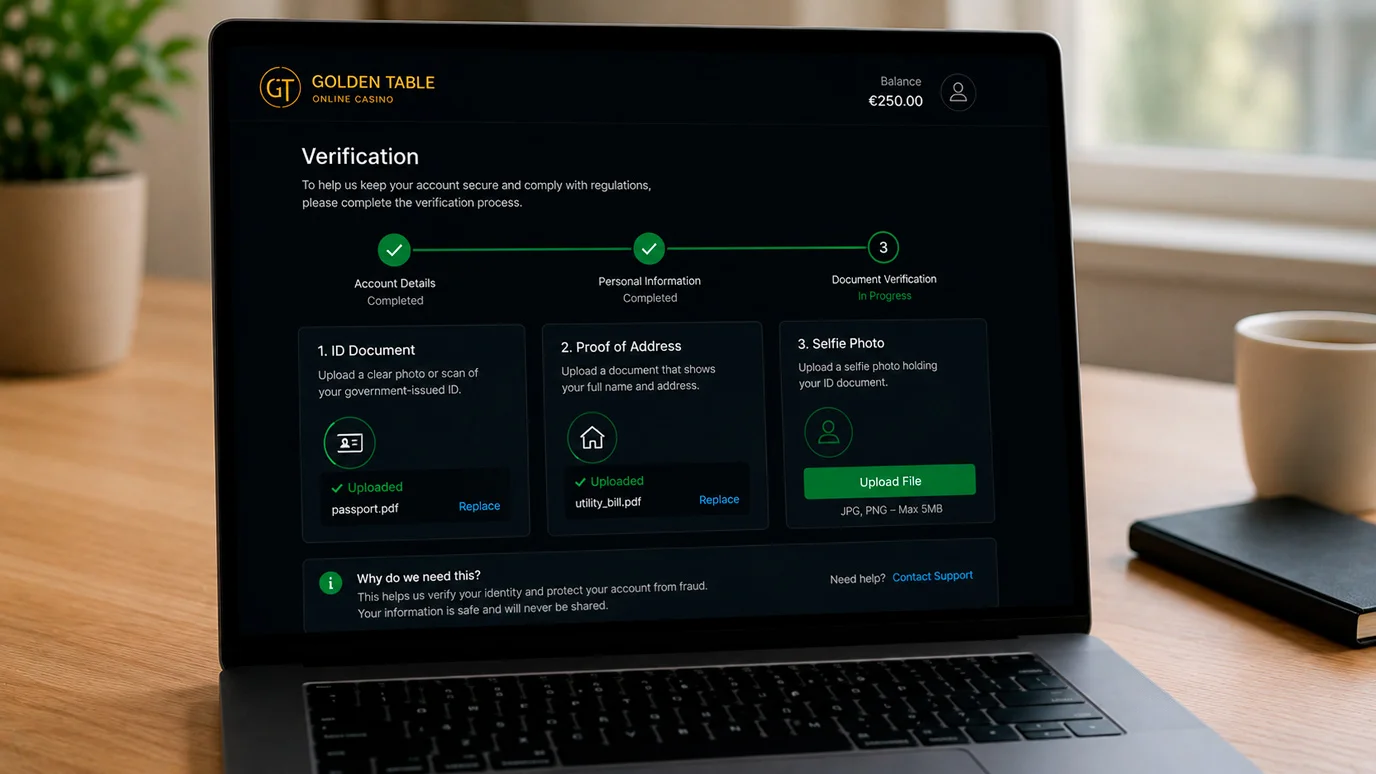
When electronic verification fails — because of a recent address change, a name mismatch, or insufficient credit file history — the operator escalates to document-based verification. This is where you are asked to submit a photo ID (passport, driving licence, or national identity card) and proof of address (utility bill, bank statement, or council tax bill dated within the last three months). Some operators accept digital photos or scans; others require specific formats. The review typically takes 24 to 72 hours, though some operators with dedicated verification teams process documents within a few hours.
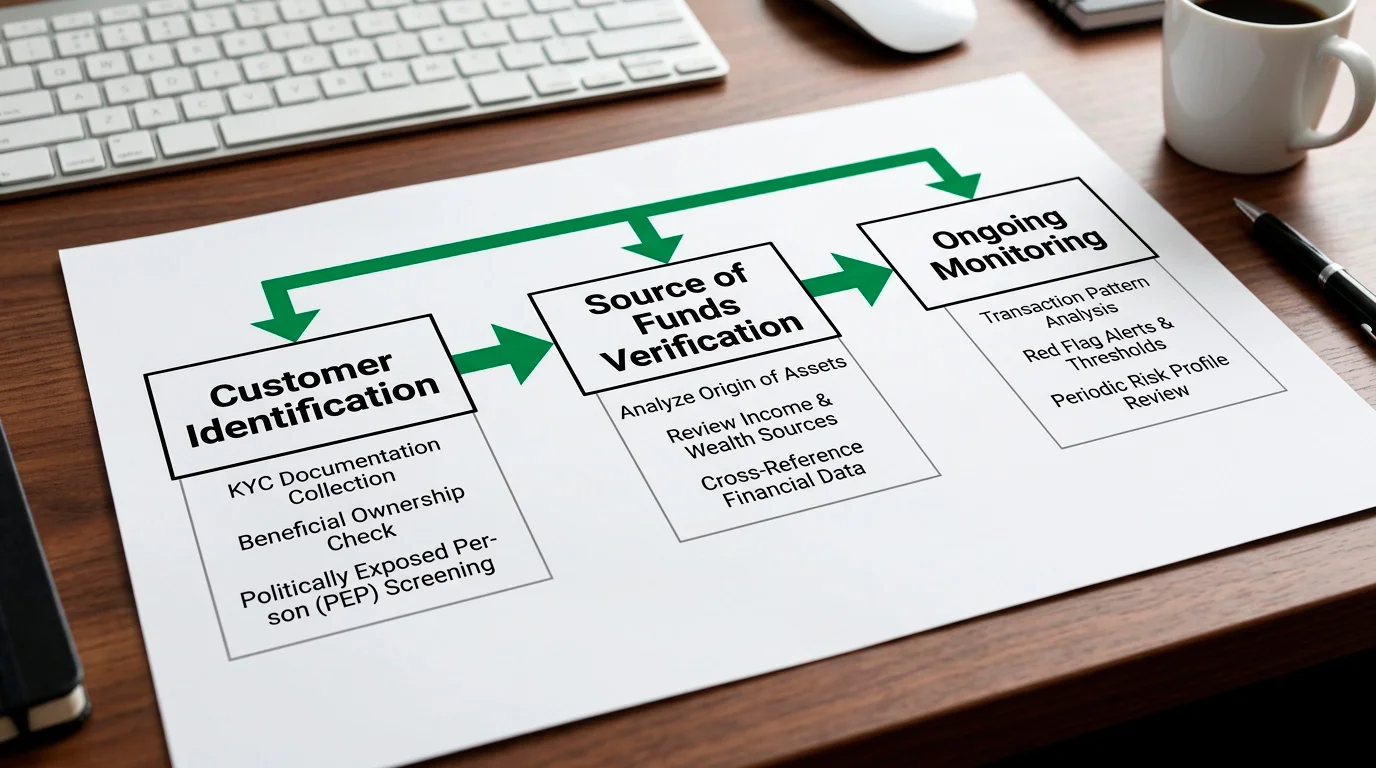
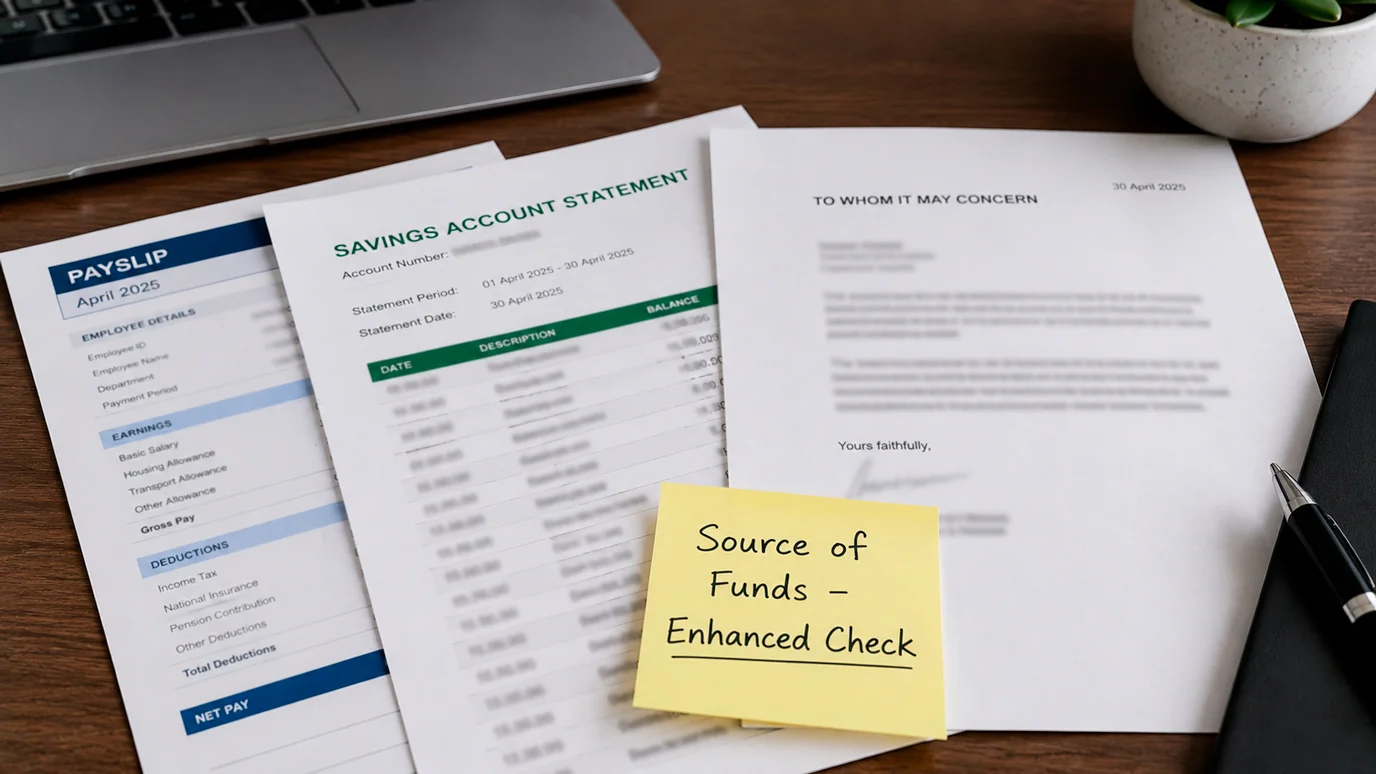
AML — Anti-Money Laundering — adds a second layer triggered by activity patterns rather than registration. Under the Proceeds of Crime Act 2002 and the Money Laundering Regulations, operators must monitor for suspicious transaction patterns: large deposits inconsistent with a player’s profile, rapid cycling of funds (depositing and withdrawing without significant play), or deposits from multiple sources. When AML triggers fire, the operator may request additional documentation: source of funds evidence (payslips, bank statements showing the origin of deposited money) or source of wealth evidence (investment statements, property records). These requests are less common than standard KYC but can be more intrusive and time-consuming.
Document Checklist: ID, Address, and Source of Funds
After reviewing hundreds of verification cases, the most common reason for delays is poor document quality — blurry photos, expired documents, or documents that do not match the registered details. A five-minute preparation step before submitting saves days of back-and-forth.
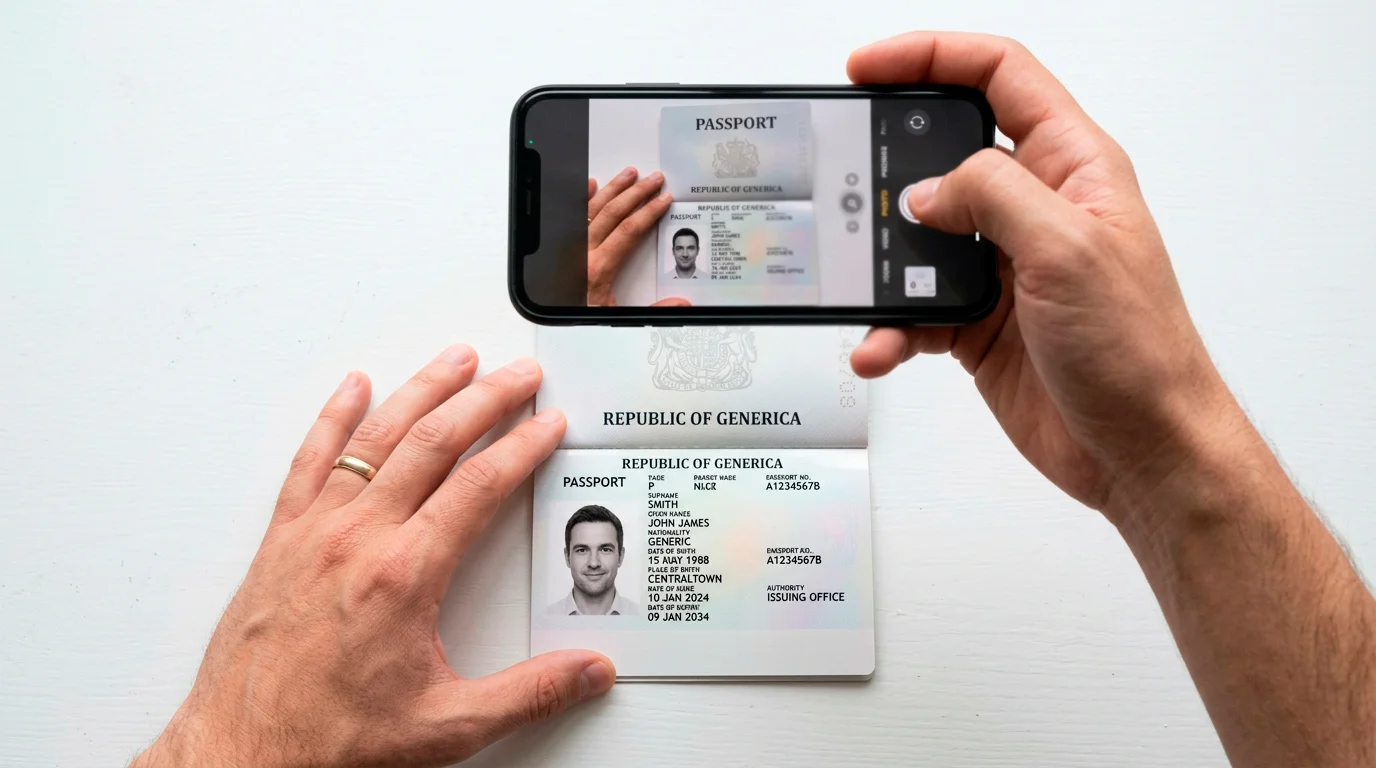
For photo ID, operators accept current passports, photocard driving licences, and in some cases national identity cards from EEA countries. The document must be in-date. The photo must be clear enough for the reviewer to match your face. All four corners of the document should be visible in the image. I have seen verification rejected because a player photographed their passport on a dark background with a shadow obscuring the document number — easily avoidable with decent lighting and a white surface.
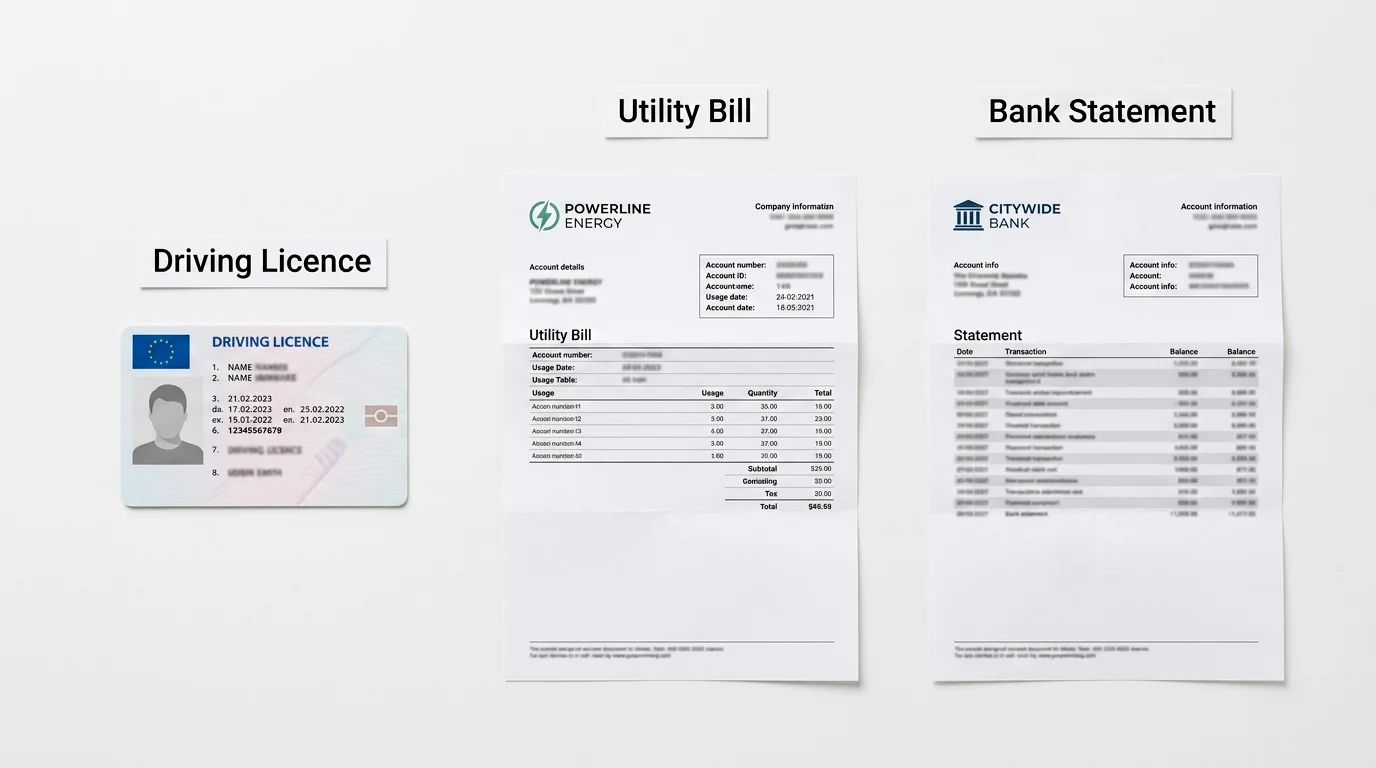
For proof of address, the document must show your full name and current address, and be dated within three months. Utility bills (gas, electric, water, broadband), bank statements, and council tax bills are universally accepted. Mobile phone bills are accepted by some operators but not all. Credit card statements are generally not accepted due to the credit card gambling ban creating a perceived regulatory conflict. Digital statements downloaded as PDFs are usually acceptable, but screenshots of online banking interfaces are often rejected — the operator needs a formal document, not a browser capture.
Source of funds documentation is only requested when triggered by deposit patterns — typically large single deposits or cumulative deposits exceeding certain internal thresholds. The £150 net deposit threshold over 30 days triggers a lighter Financial Vulnerability Check, which may involve automated data checks rather than document requests. Higher thresholds — often £2,000 or £5,000 depending on the operator’s risk framework — can trigger source of funds requests. Payslips, employment contracts, bank statements showing salary credits, or investment account statements are the standard evidence. Self-employed players may need to provide business accounts or tax returns.
The full picture is in our guide to UK real-money online casinos.
Verification Timeline and How to Avoid Delays
The timeline from document submission to full verification varies widely across operators, and I have tracked the range from same-day to over a week. The variance is driven by the operator’s compliance team size, their verification technology, and the quality of documents submitted.
Operators using AI-assisted document verification — software that reads and validates ID documents automatically — can process clear submissions in under an hour. The system checks the document type, extracts the relevant fields, matches them against the registered details, and flags any discrepancies for human review. Only flagged cases go to a manual reviewer, which means straightforward submissions bypass the queue entirely.
Operators relying on fully manual review — a human reviewer examining each document — typically process within 24 to 72 hours during business days. Submissions made on Friday evenings or over bank holidays may not be reviewed until the following business day. This is the most common bottleneck, and it is entirely within the player’s control to minimise: submit documents early in the week, during business hours, and ensure they are clear, complete, and matching your registered details.
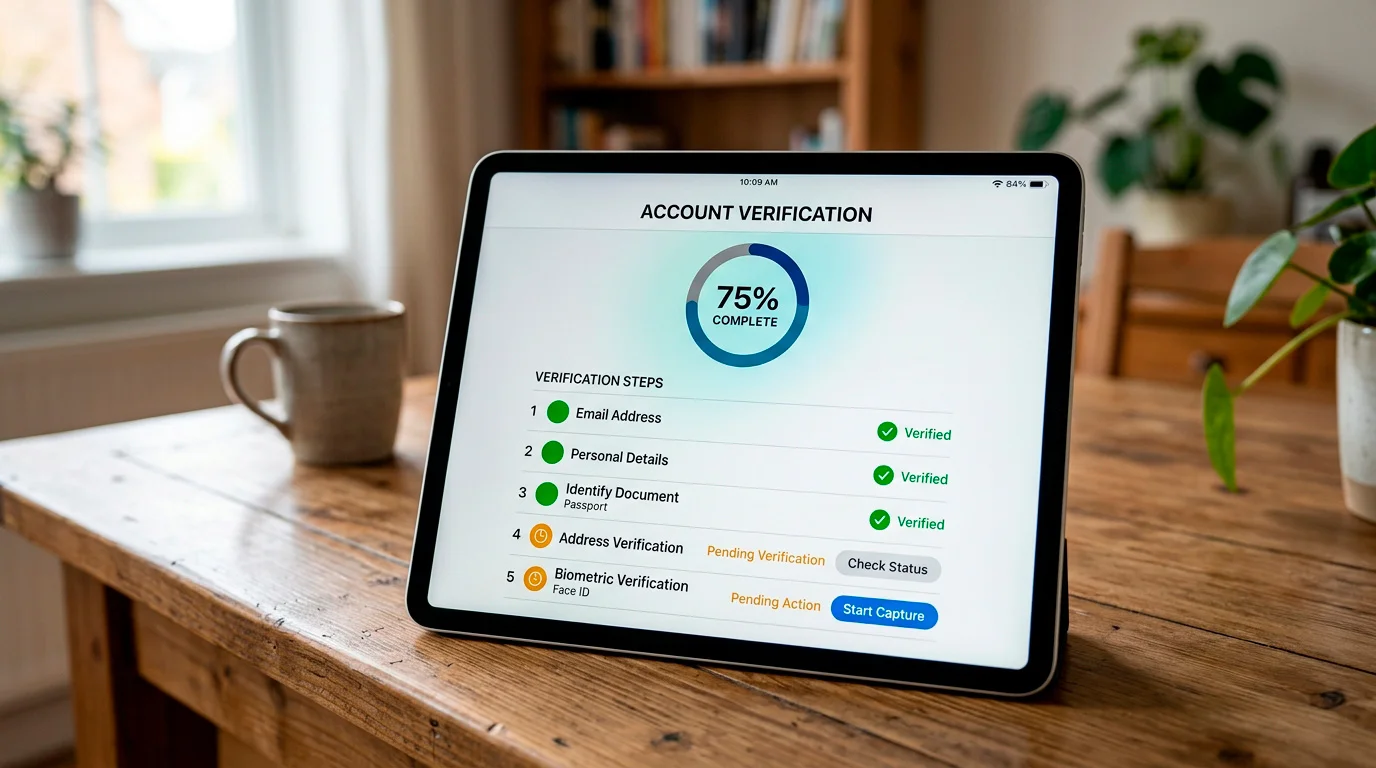
The single most effective strategy is pre-verification — completing the full KYC process at registration, before you ever deposit or play. Most operators allow you to upload documents during the registration flow. Doing so means that when you eventually request a withdrawal, your account is already fully verified and the payout can process without delay. Players who skip this step and only engage with verification when their first withdrawal is held are the ones who experience the longest waits and the most frustration.
For a detailed look at how verification delays specifically affect withdrawal timing, the safe online casinos guide covers the broader player protection framework including fund segregation and complaint procedures.
Articles
Created by the "onlinecasinorealmoneyuk.com" editorial team.