


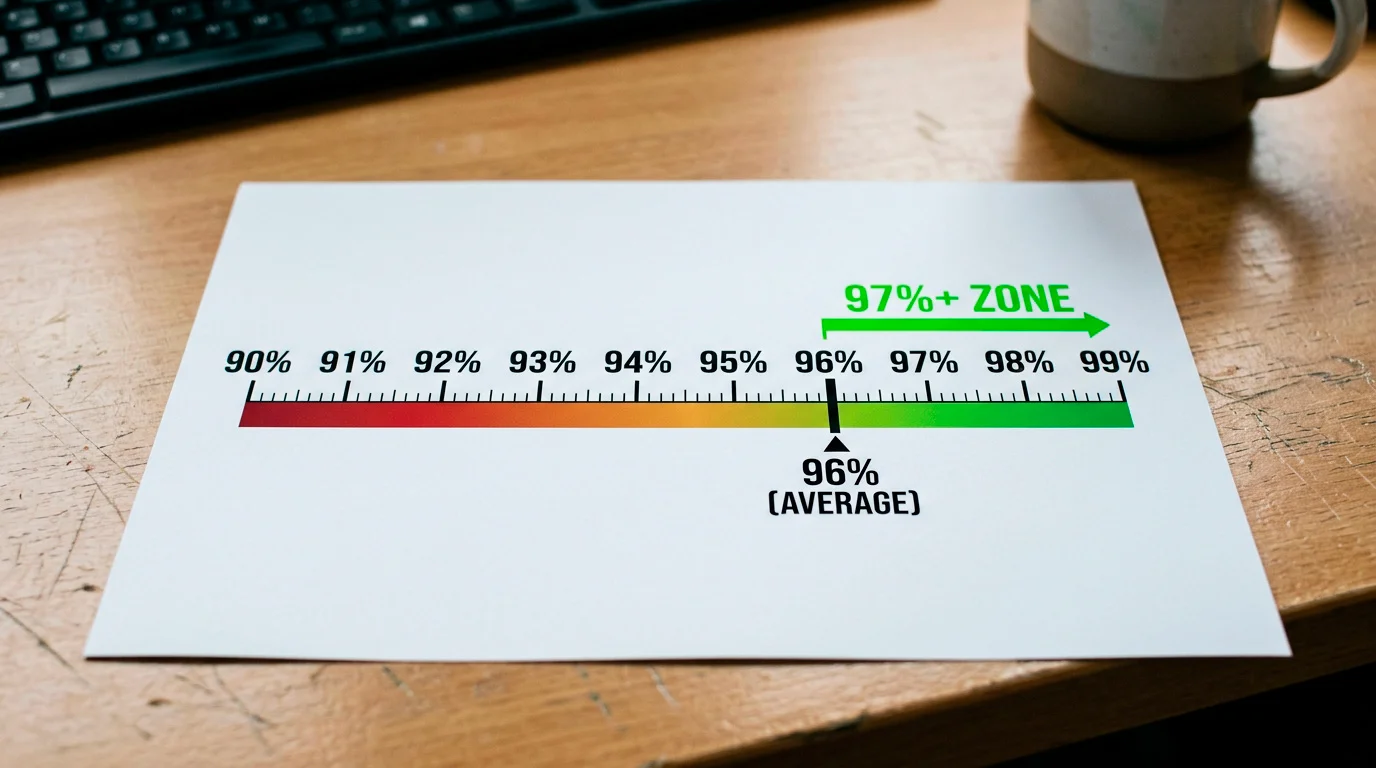
The average return-to-player rate across UK-licensed online slots sits at approximately 96%. That number means, over millions of spins, the game returns £96 for every £100 wagered. The remaining 4% is the house edge — the operator’s theoretical gross margin before tax, before bonuses, before anything else. A slot with an RTP above 97% operates on a thinner margin, which makes it mathematically more favourable for the player and less profitable per spin for the operator. After years of auditing game portfolios, I can tell you that high-RTP titles are a minority of the library at most UK casinos, and understanding what the number actually tells you — and what it does not — is the difference between informed play and misplaced confidence.
What the number actually means: RTP explained.
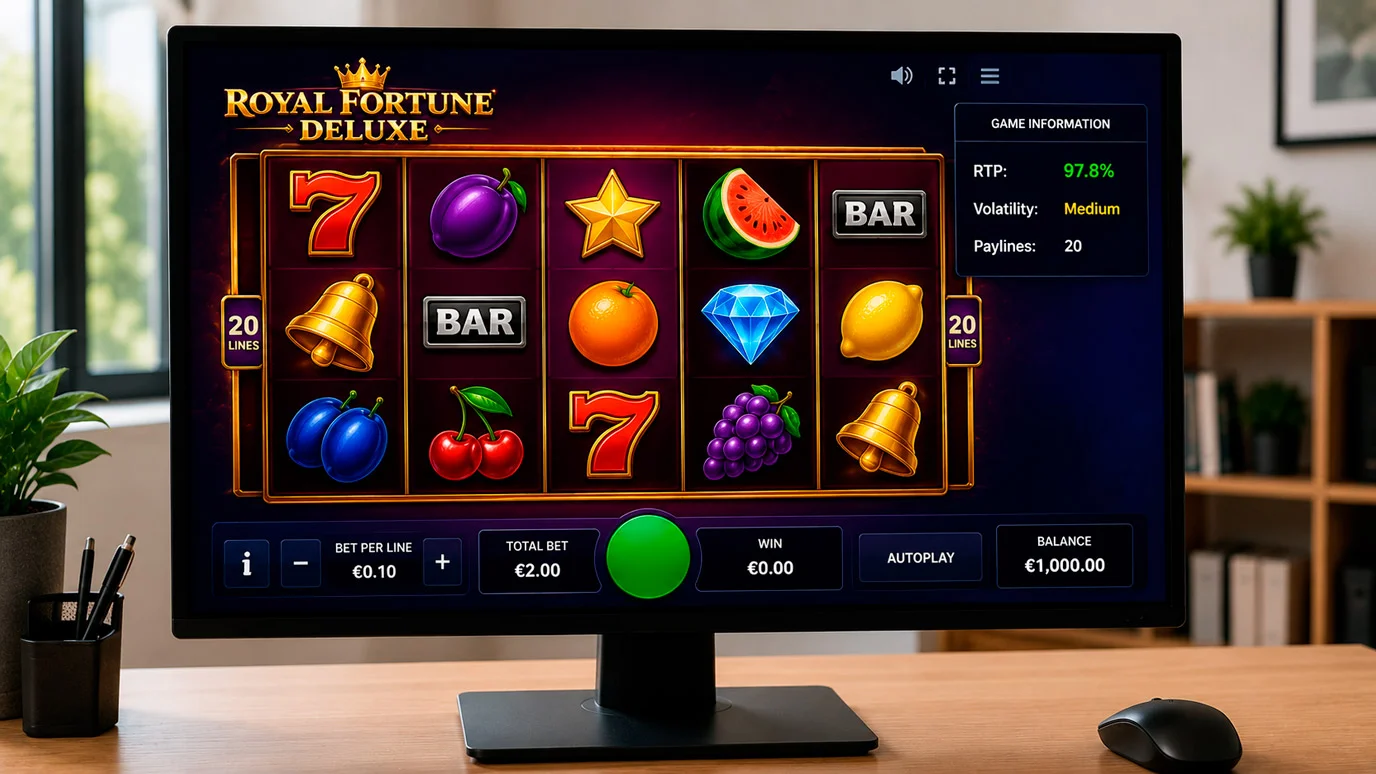
What “High RTP” Means in the Context of UK Online Slots
There is no official UKGC definition of “high RTP.” The industry uses the term loosely, and I have seen it applied to anything above 95%, which barely exceeds the market average. For analytical purposes, I draw the line at 97% — a full percentage point above the mean. That distinction matters more than it might seem.
The difference between 96% and 97% RTP sounds small until you apply it to volume. On £1,000 wagered, a 96% slot expects to retain £40 and a 97% slot expects to retain £30. That is a 25% reduction in the house edge per unit wagered. Over a session of 500 spins at £2 each — a modest session by most measures — the expected loss drops from £40 to £30. At the individual session level, variance overwhelms this difference. But over repeated sessions across months of play, the cumulative gap is significant.
The highest documented RTP among UK-available slots belongs to Ugga Bugga by Playtech, at 99.07%. At that rate, the house edge is under 1% — comparable to blackjack played with basic strategy. But Ugga Bugga is a multi-hand game with unusual mechanics that most players find unintuitive, which is precisely why an operator can afford to list it. The game generates minimal volume because few players seek it out, so its high RTP has negligible impact on the operator’s overall margins. This pattern repeats across high-RTP titles: the games with the best mathematical returns tend to be the least promoted, the least visible in the lobby, and the least popular by play volume.
Slots With RTP Above 97%: A Data Reference
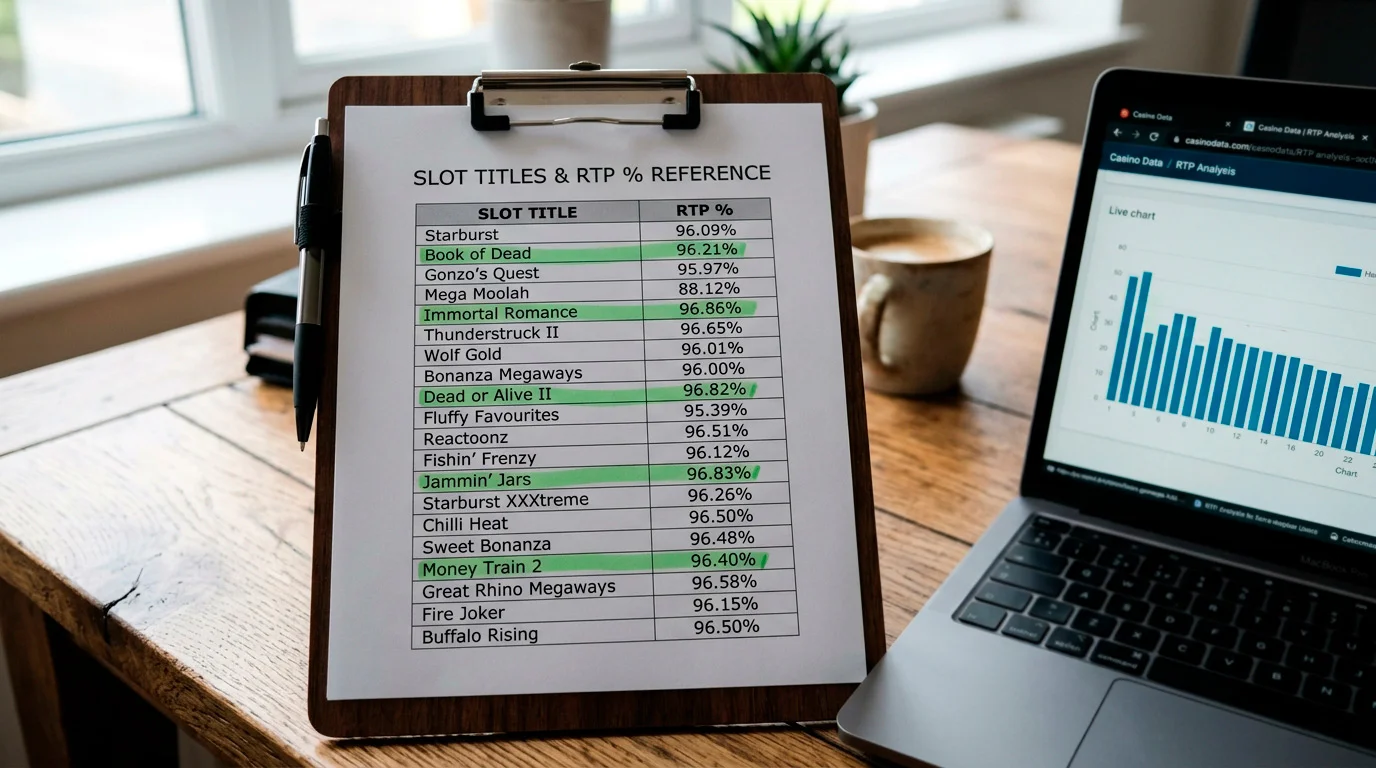
Rather than naming a “best” list, which would shift from week to week as operators adjust their catalogues, here is the structural landscape of what is available above the 97% line in the UK market as of mid-2026.
Classic-style slots — games with three reels, simple paylines, and minimal bonus features — disproportionately populate the high-RTP bracket. Their low development cost and simple mechanics allow providers to set higher return rates without significant financial risk. Titles from Playtech, NetEnt, and Microgaming dominate this segment. The trade-off is entertainment value: these games lack the bonus rounds, cascading reels, and narrative elements that drive engagement on modern video slots.

A handful of video slots cross the 97% threshold. These tend to come from providers willing to sacrifice margin for catalogue positioning — a high-RTP title acts as a marketing asset even if it generates thin revenue per spin. Pragmatic Play and NetEnt both maintain a small portfolio of titles in the 97-98% range, typically older releases that have been grandfathered into current catalogues rather than newly developed games. New slot launches in 2025 and 2026 have overwhelmingly clustered between 94% and 96%, reflecting operator preference for higher-margin titles in a post-tax-increase environment.
Megaways slots, which feature dynamic reel sizes and thousands of potential paylines, generally fall below the 97% line. The high volatility and large maximum win potential of these games make a high base RTP commercially unviable for providers. Most Megaways titles sit between 95% and 96.5%, which is respectable but not in the high-RTP category by the standard used here.
The full picture is in our guide to UK real-money online casinos.
Progressive jackpot slots are a separate case entirely. Their published RTP includes the jackpot contribution, which is funded by a percentage of every bet. The base game RTP — what you experience in ordinary spins without hitting the jackpot — is typically 3-5 percentage points lower than the published figure. A progressive slot advertising 96% RTP might have a base game return of 92% or less, making it one of the lower-value options on the floor despite the headline number.
Why High RTP Alone Doesn’t Guarantee Frequent Wins
I once spent an afternoon explaining to a frustrated player why their chosen 97.5% RTP slot had just consumed £200 in sixty minutes without a single significant win. The answer lies in volatility — the second axis of slot mathematics that RTP does not capture.
RTP describes the long-run return. Volatility describes the distribution of that return across individual sessions. A high-RTP, high-volatility slot might return 97.5% over ten million spins, but the returns are concentrated in infrequent large payouts separated by long dry spells. A high-RTP, low-volatility slot distributes its returns more evenly, producing smaller but more regular wins. Both can have identical RTP, but the player experience is radically different.

The practical implication is that a high-RTP slot with extreme volatility requires a larger bankroll to survive the variance. If you deposit £20 and play a 97.5% RTP slot with high volatility, the probability of exhausting your balance before hitting a significant payout is substantial. The same £20 on a 96% RTP slot with low volatility might sustain a longer session with more modest returns. RTP tells you the destination; volatility tells you how rough the road is.

Since May 2025, the UKGC’s stake limits — £5 per spin for players over 25, £2 for players aged 18-24 — have added another dimension. High-volatility slots designed around large bets lose some of their intended design when played at capped stake levels. The variance profile remains, but the potential upside is compressed while the downside (balance depletion during dry spells) persists. For players operating under the £2 cap, high-RTP and low-to-medium volatility is the combination that best preserves session length and value. The broader mechanics of how UK online slots work, including the stake limit framework, are covered in the real money slots guide.
Articles
Created by the "onlinecasinorealmoneyuk.com" editorial team.