

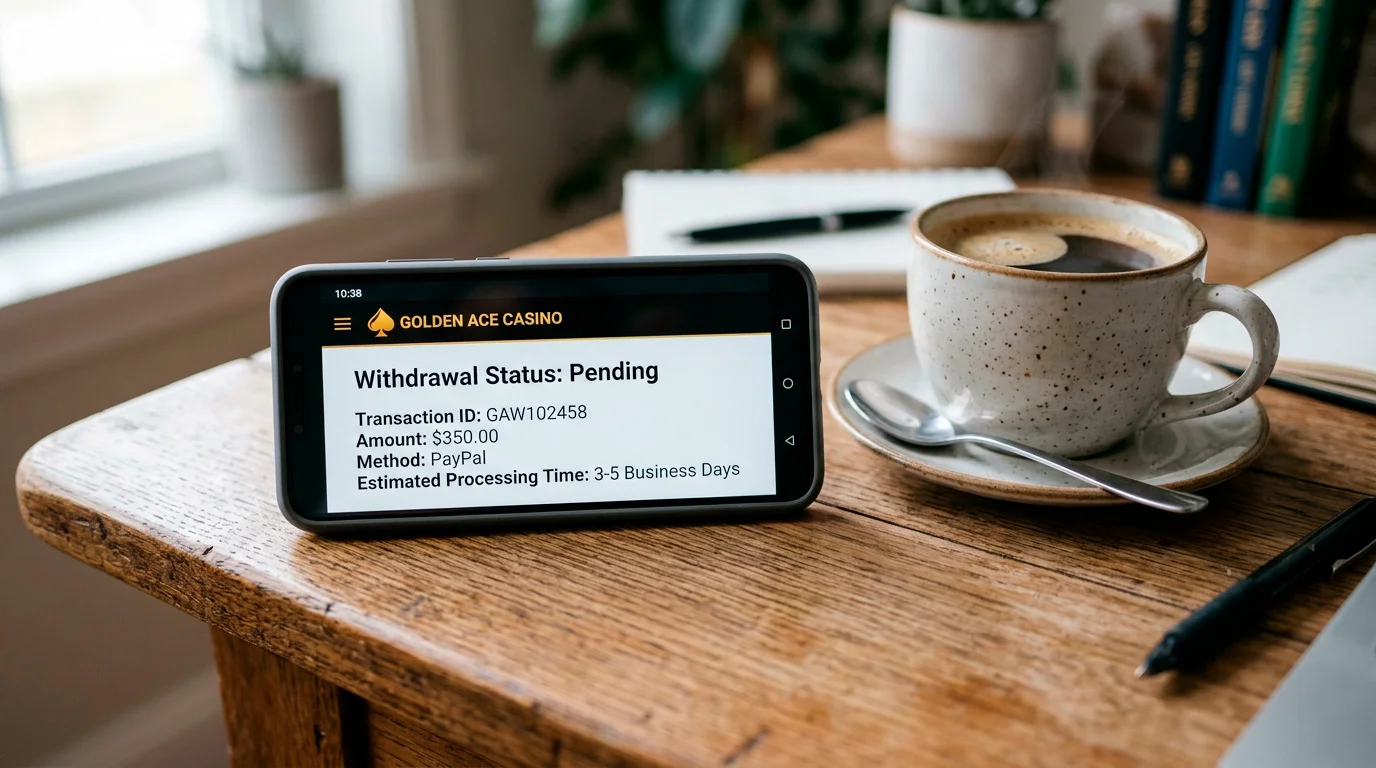
I once withdrew £340 from a UKGC-licensed casino and waited nine days before the money appeared in my bank account. Nine days. The operator’s advertised processing time was “24-48 hours.” When I dug into what had happened — first as a frustrated player, later as someone with professional access to the operator’s compliance logs — the delay chain became clear: a 24-hour internal review queue, a 48-hour KYC document re-verification, a weekend during which the payment team did not process manually reviewed transactions, and finally a two-day bank clearing period. Each individual step had a justification. The cumulative result was a withdrawal experience that undermined every positive impression the site had built.
The methods that pay out same day: fast withdrawals.
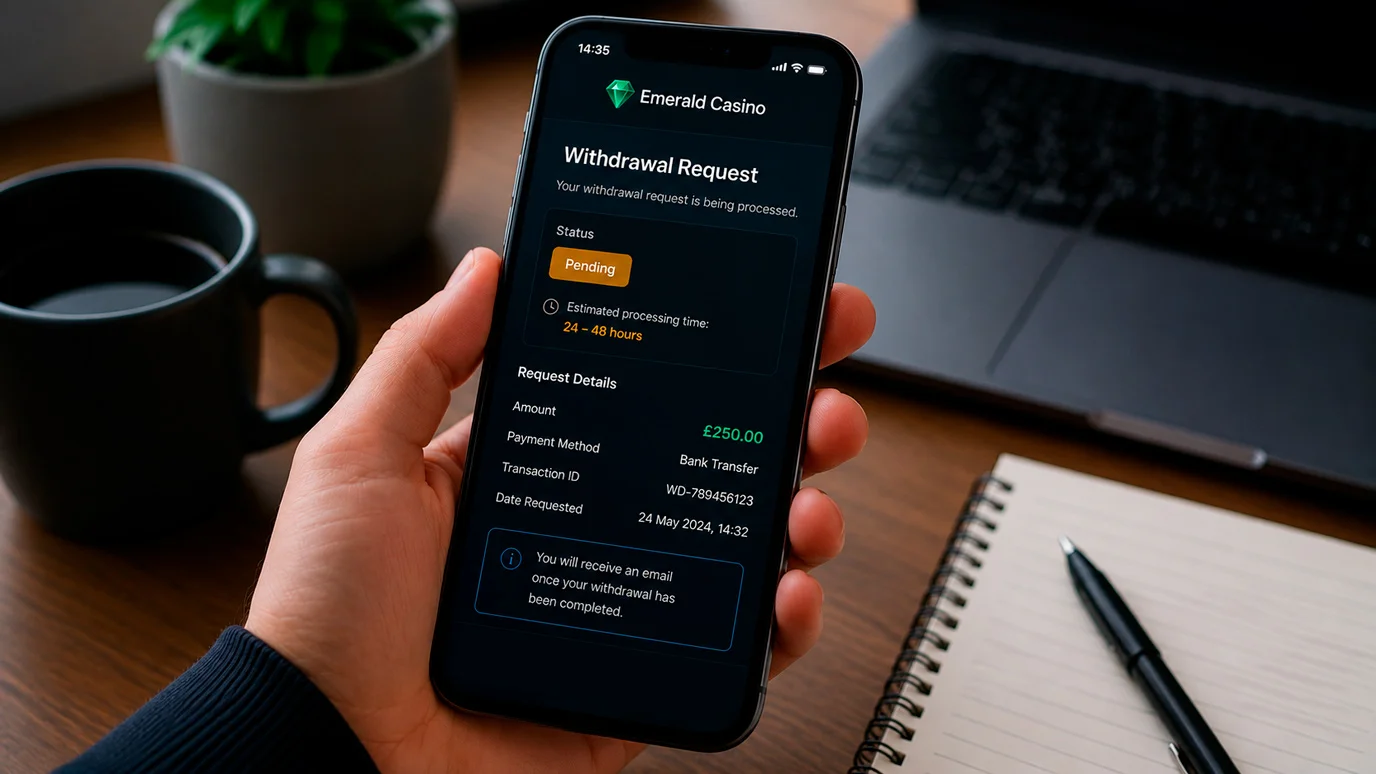
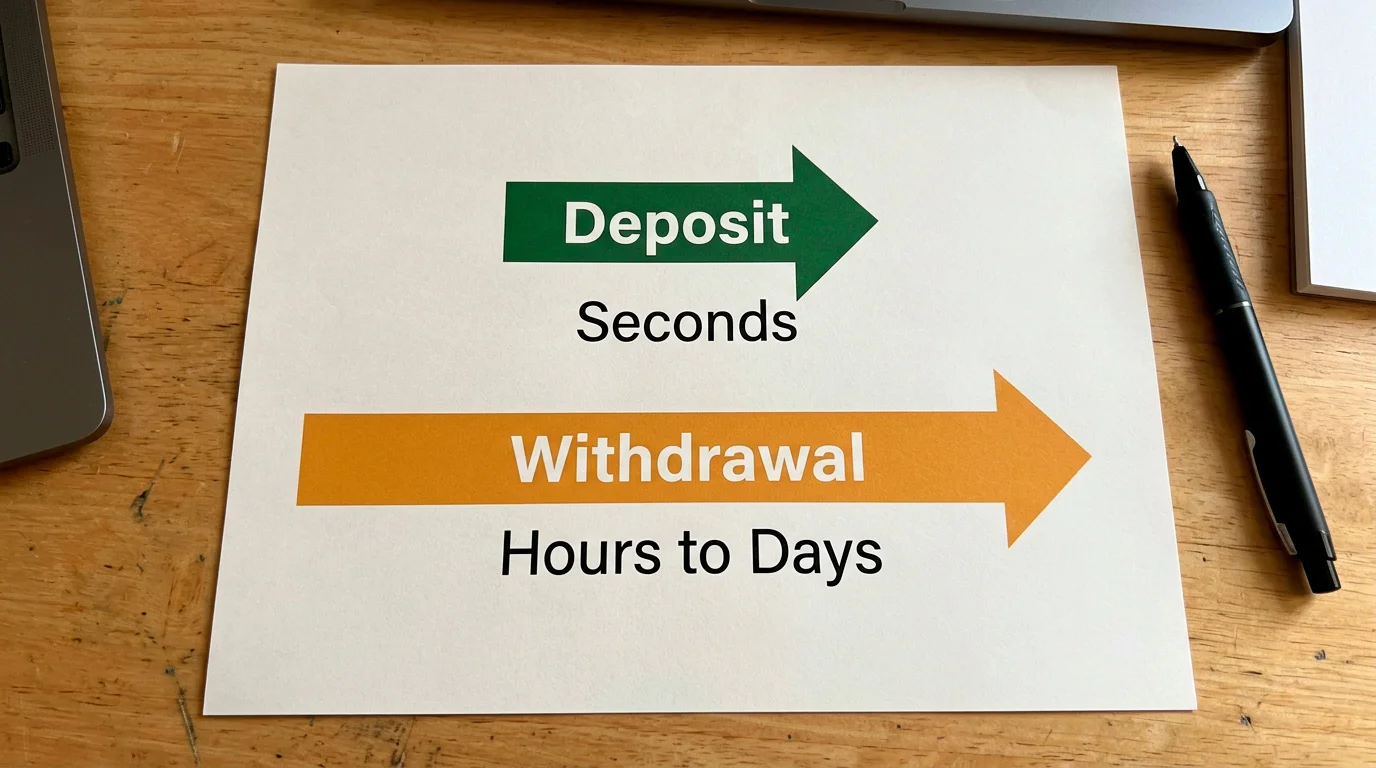
Withdrawal speed is the single most tangible quality signal a player receives from an online casino. Deposit speed is irrelevant as a differentiator because every site processes deposits instantly. Withdrawals reveal how the operator actually functions behind the interface.
Processing Times by Payment Method
I have tracked withdrawal times across multiple operators and payment methods over the past two years. These are realistic ranges based on actual experience, not marketing claims.
E-wallets — PayPal, Skrill, Neteller — are consistently the fastest. Once the operator approves the withdrawal request, the funds transfer to your e-wallet balance within minutes. The total time from request to available funds is typically 0-24 hours, with the variable being the operator’s internal approval queue rather than the payment processing itself. PayPal is the most common e-wallet choice for UK players, and operators that integrate PayPal tend to process PayPal withdrawals faster than other methods because PayPal imposes its own service level requirements on merchant partners.
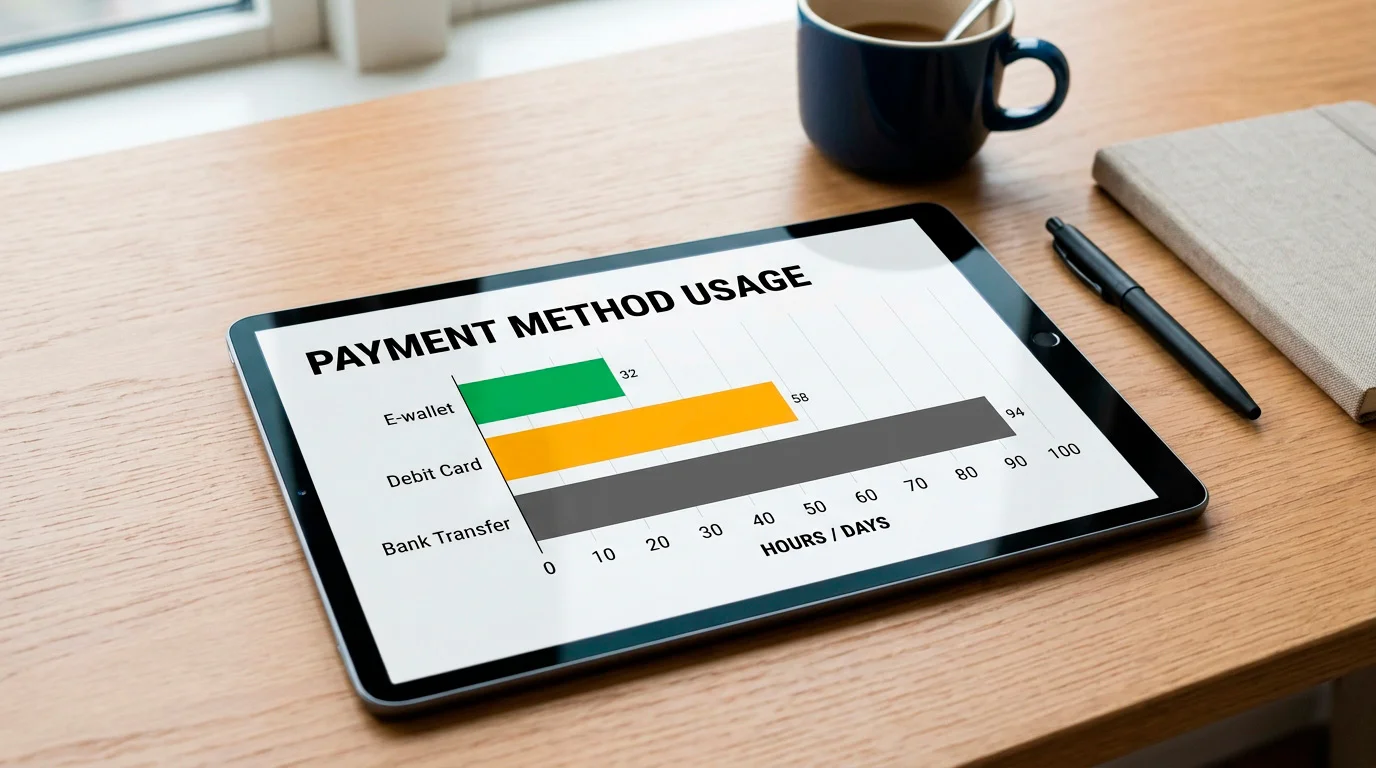
Debit card withdrawals (Visa and Mastercard) take longer because the banking system introduces its own processing time on top of the operator’s approval. Once the operator releases the withdrawal, funds typically appear in your bank account within 1-5 business days. Visa Fast Funds can reduce this to same-day in some cases, but not all operators or banks support it. Mastercard withdrawals tend to cluster at the longer end of the range — 3-5 business days is standard.
Bank transfers are the slowest standard method, typically taking 3-7 business days. They involve the operator initiating a transfer from their payment processor to your bank, which then passes through the UK’s Faster Payments or BACS systems. Faster Payments settles within hours; BACS takes up to three business days. Which system the operator uses depends on their banking arrangements, and most players have no visibility into this until they experience it.

The Operator’s Internal Queue: Where Most Delays Happen
The payment method processing time is only half the equation. Before any funds leave the operator’s system, the withdrawal request sits in an internal approval queue. This queue is where most delays originate, and its speed depends on factors entirely within the operator’s control.
Standard processing involves automated checks: is the player’s identity verified, are all wagering requirements met, does the withdrawal amount fall within acceptable parameters, is the payment method verified and consistent with the deposit method? For established players with completed KYC and a history of clean transactions, these checks take seconds and the withdrawal moves to payment processing automatically.
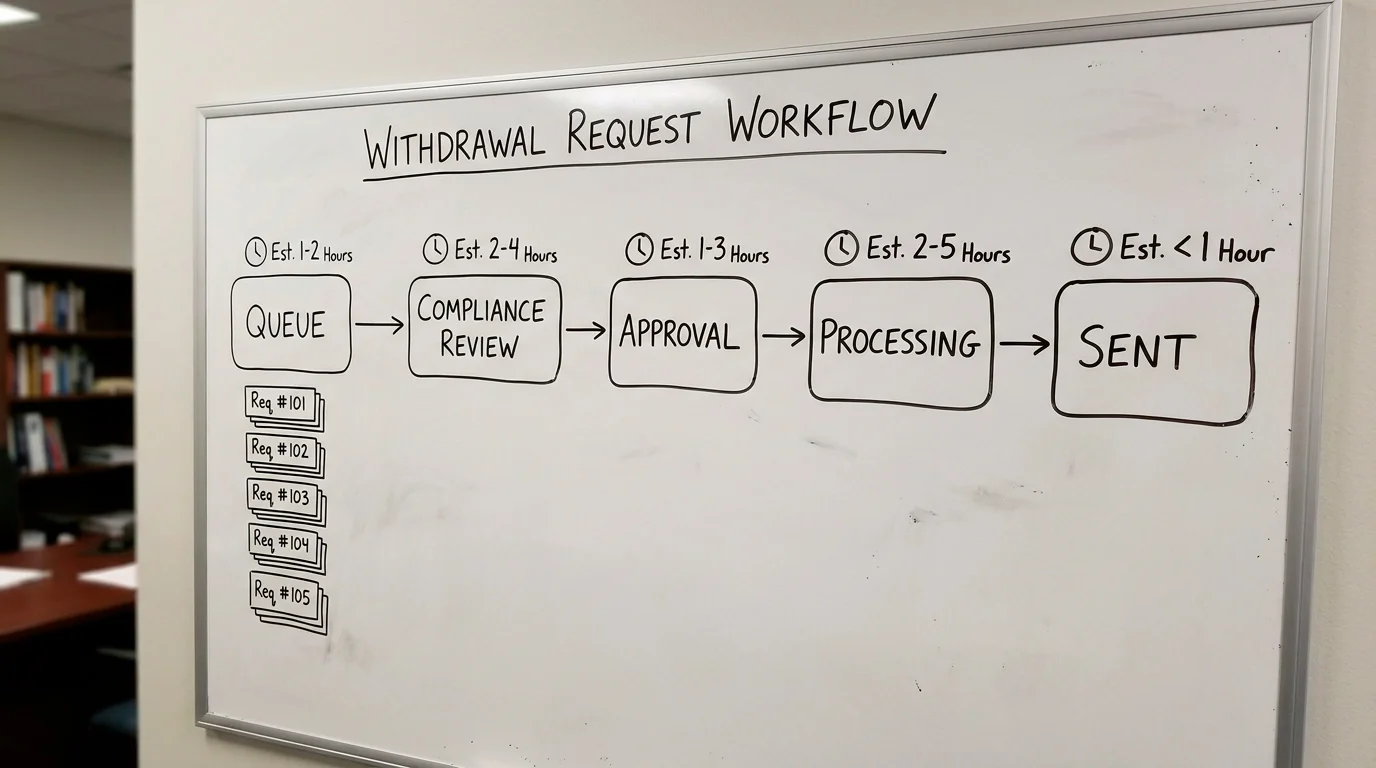
First-time withdrawals are different. UK online casino gross gaming yield hit £1.55 billion in Q1 2026, and the compliance infrastructure supporting that revenue includes mandatory identity verification at the point of first withdrawal if it was not completed during registration. If you registered with electronic verification, your first withdrawal may trigger additional document requests — particularly for amounts above £2,000 or at operators with lower internal thresholds. These KYC verification requirements are regulatory obligations, not optional delays.
Some operators implement a “pending period” — a window (typically 24-72 hours) during which you can reverse a withdrawal request and return the funds to your playable balance. The UKGC has published guidance discouraging pending periods, as they effectively encourage players to reconsider a withdrawal decision and continue gambling instead. Operators that still use pending periods are not violating a specific licence condition, but they are operating against the Commission’s stated expectations. If a site allows you to reverse a pending withdrawal, that feature is designed to benefit the operator, not you.
The full picture is in our guide to UK real-money online casinos.
Why Withdrawals Take Longer Than Deposits
Deposits are instant because the financial risk flows from the player to the operator. The payment processor authorises the transaction, the funds are reserved from your account, and the operator credits your balance immediately. The operator has no reason to delay — a deposited pound is a pound available for play, which generates revenue.
Withdrawals reverse the risk direction. The operator is releasing funds, which requires verification that the transaction is legitimate and compliant. Anti-money-laundering regulations require operators to verify the source of funds for larger withdrawals. Problem gambling screening protocols may flag withdrawals that follow unusual session patterns. The same-method rule requires matching the withdrawal to the deposit method, which adds a verification step. Each of these checks serves a legitimate purpose, but collectively they create an asymmetry that every player notices: money in is fast, money out is slow.
The 65% of UK adults who told YouGov they would refuse to provide financial documents to a gambling operator are responding in part to this withdrawal friction. Financial risk assessments, triggered at £150 net deposits within 30 days, add another potential delay layer — though FRAs are a deposit-side check rather than a withdrawal-side one. The broader point is that the regulatory infrastructure prioritises verification over speed, and withdrawal processing times are a direct consequence of that priority.
What You Can Do to Speed Up Your Withdrawal
Complete your KYC verification before you request your first withdrawal. Upload your identity document and proof of address during registration or immediately after. Many operators allow document uploads through the account settings page at any time, and pre-verified accounts process withdrawals significantly faster than accounts that trigger verification at the withdrawal stage.
Use the same payment method for deposits and withdrawals. Switching methods — depositing by debit card and requesting a withdrawal to an e-wallet — can trigger additional verification checks and sometimes results in the operator processing the withdrawal to your original deposit method regardless of your request. Consistency simplifies the process.

Withdraw smaller amounts more frequently rather than accumulating a large balance and withdrawing in a single transaction. Large withdrawals are more likely to trigger enhanced due diligence checks, manual review, and source-of-funds inquiries. Multiple smaller withdrawals within the operator’s standard processing thresholds tend to move through the queue faster, though this approach requires more patience and administrative effort on your part.
Avoid weekends and bank holidays for withdrawal requests. Many operators’ compliance teams operate reduced hours outside business days, and banking systems process transfers more slowly over weekends. A withdrawal requested on Friday afternoon may not enter the payment queue until Monday morning, adding two days to the total processing time through no fault of the payment method itself.
Articles
Created by the "onlinecasinorealmoneyuk.com" editorial team.