

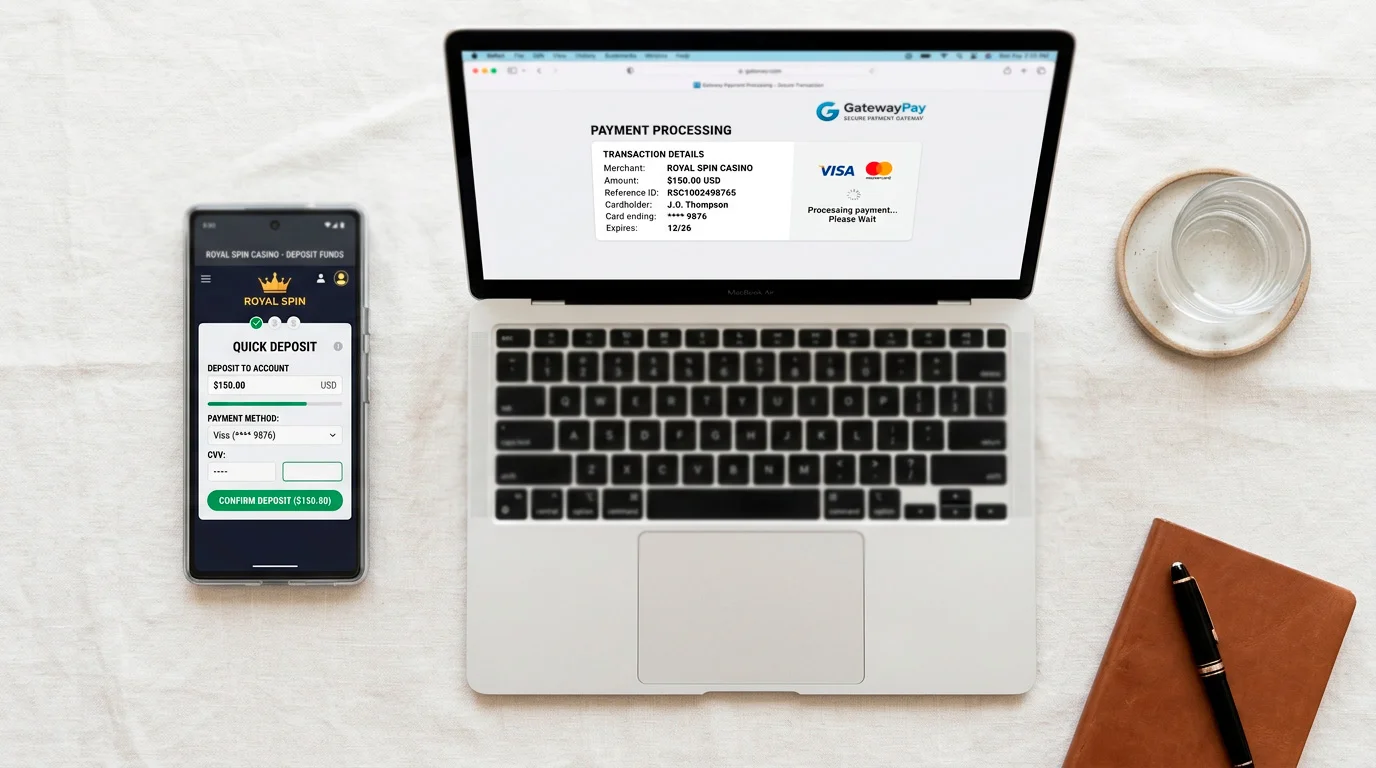
PayPal occupies an unusual position in UK online gambling. It is the most trusted e-wallet brand in the country by consumer recognition, yet only a fraction of UKGC-licensed operators accept it. The selectivity is deliberate — PayPal imposes its own compliance requirements on gambling merchants, and those requirements sit on top of the UKGC’s existing licence conditions. An operator that accepts PayPal has effectively passed two layers of vetting, which is why PayPal availability has become a shorthand for platform credibility in forums and player discussions. Whether that reputation is fully warranted is another question. Mobile gambling now generates over 60% of UK online casino revenue, and PayPal’s mobile integration makes it a natural fit for the dominant access channel — but the mechanics of how it handles deposits and especially withdrawals are worth examining beyond the brand recognition.
How fast the payout really is: fast withdrawals.
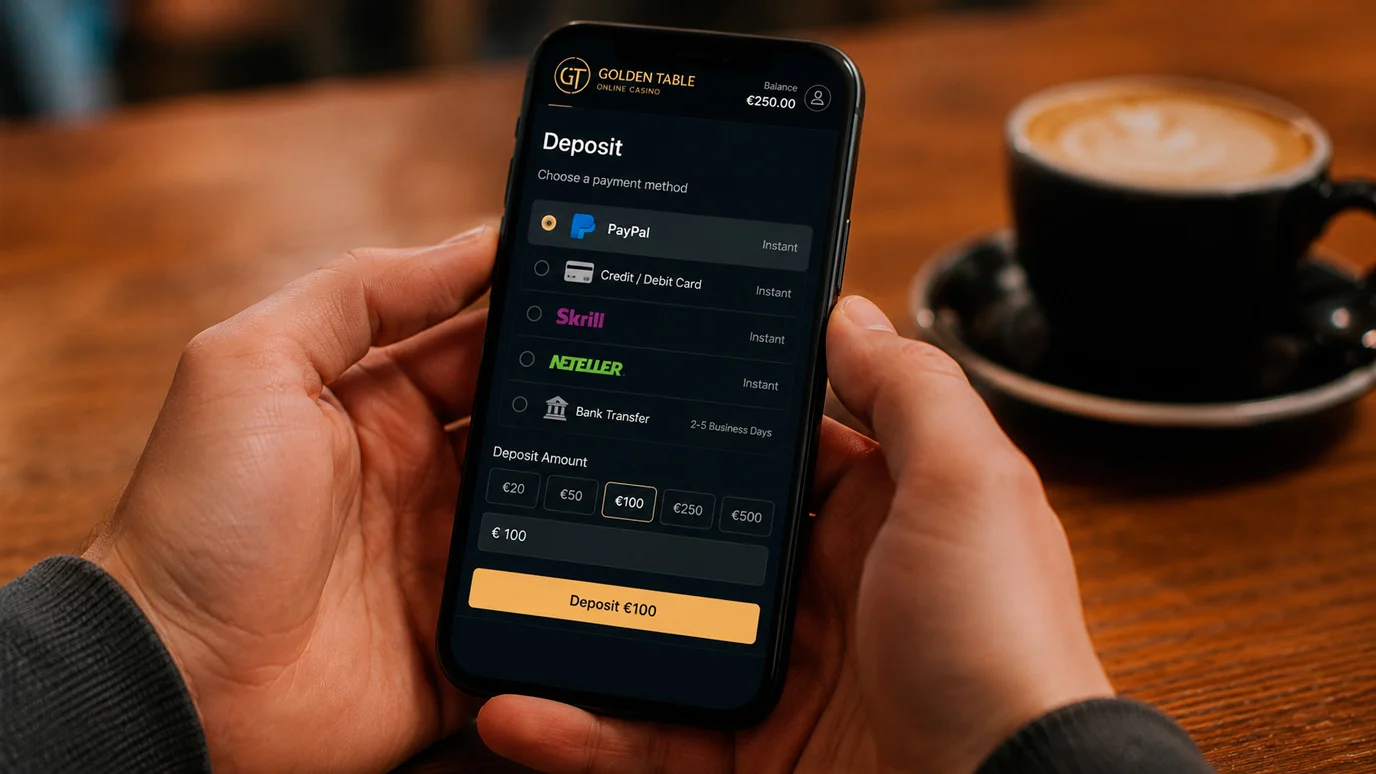
How PayPal Transactions Work at UK-Licensed Casinos
The backend of a PayPal casino deposit is simpler than most players realise. During an operator integration review I conducted, the flow broke down into three stages that complete in under ten seconds.
When you select PayPal at the cashier, the operator redirects you to PayPal’s authentication layer. You log into your PayPal account, confirm the amount, and PayPal sends an authorisation token back to the operator. The operator’s payment gateway processes the token, debits your PayPal balance (or linked funding source — bank account or debit card), and credits your casino account. The entire process is instant from the player’s perspective. No card numbers are shared with the operator. No bank details are transmitted. The operator sees only your PayPal email address and the transaction confirmation.
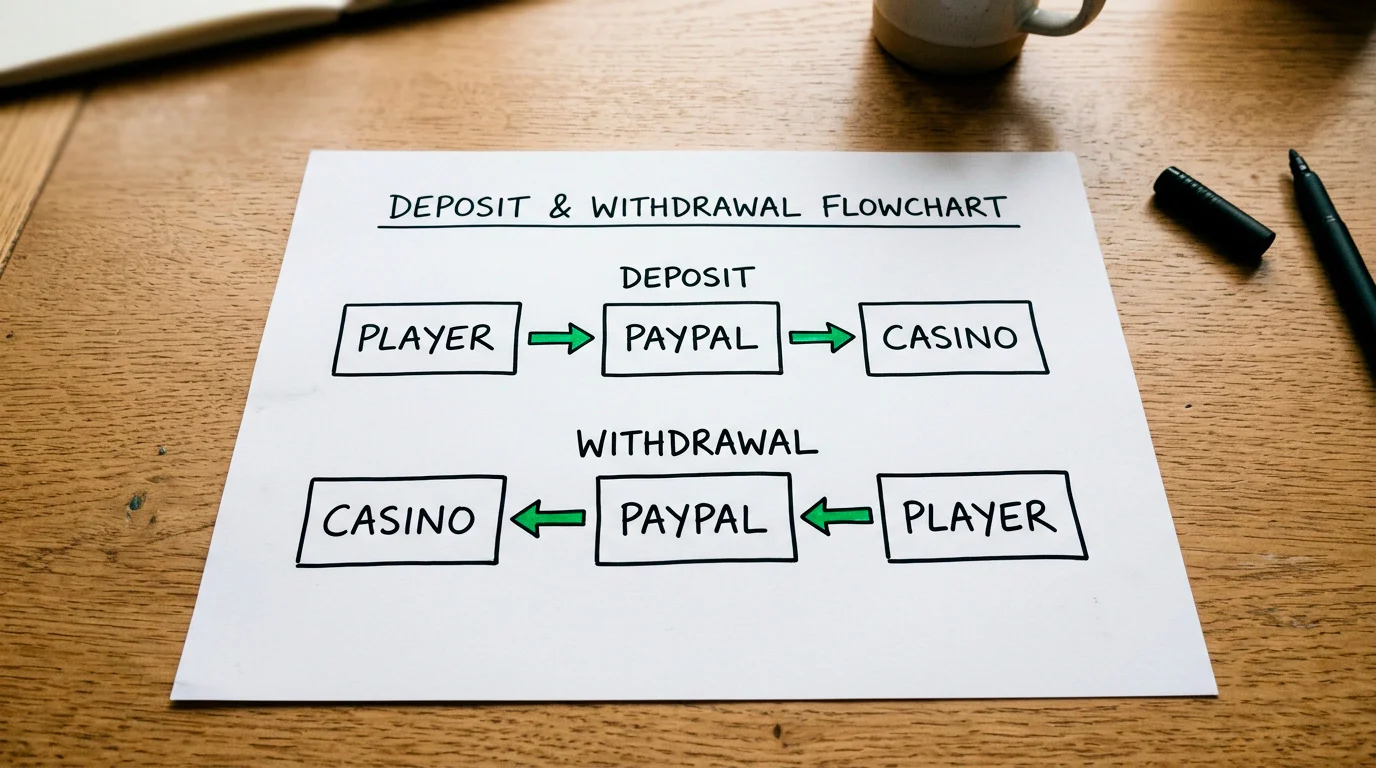
This isolation is PayPal’s primary value proposition for gambling transactions. Your financial details remain with PayPal, not with the casino. If the operator suffers a data breach, your card number and bank account are not in their system. For players who register at multiple casinos — and the UK market’s £7.8 billion online GGY suggests millions do — this compartmentalisation reduces cumulative exposure across platforms.
Withdrawals reverse the flow. You request a withdrawal at the casino, specifying PayPal as the method. The operator processes the request (after any pending period and KYC checks), and the funds are sent to your PayPal account. From there, you can hold the funds in your PayPal balance, transfer them to your linked bank account, or spend them through PayPal’s network. The transfer from PayPal to your bank typically takes one to two business days.
The full picture is in our guide to UK real-money online casinos.
Deposit and Withdrawal Limits, Fees, and Processing Windows
After tracking PayPal transaction terms across UK operators for the past eighteen months, the ranges have settled into predictable bands. Minimum deposits via PayPal are typically £10, slightly higher than the £5 minimum available via debit card at most platforms. This reflects the transaction fee structure — PayPal charges operators a percentage-based fee per transaction, and processing sub-£10 amounts makes the economics unattractive.
Maximum deposits vary more widely. Most operators cap single PayPal deposits between £5,000 and £10,000, though some high-roller platforms set higher limits. Your PayPal account itself may impose its own limits depending on verification status — unverified PayPal accounts have lower sending limits than verified ones. If you hit a ceiling, it could be the operator’s limit, PayPal’s limit, or your linked funding source’s limit. Diagnosing which one takes some process of elimination.
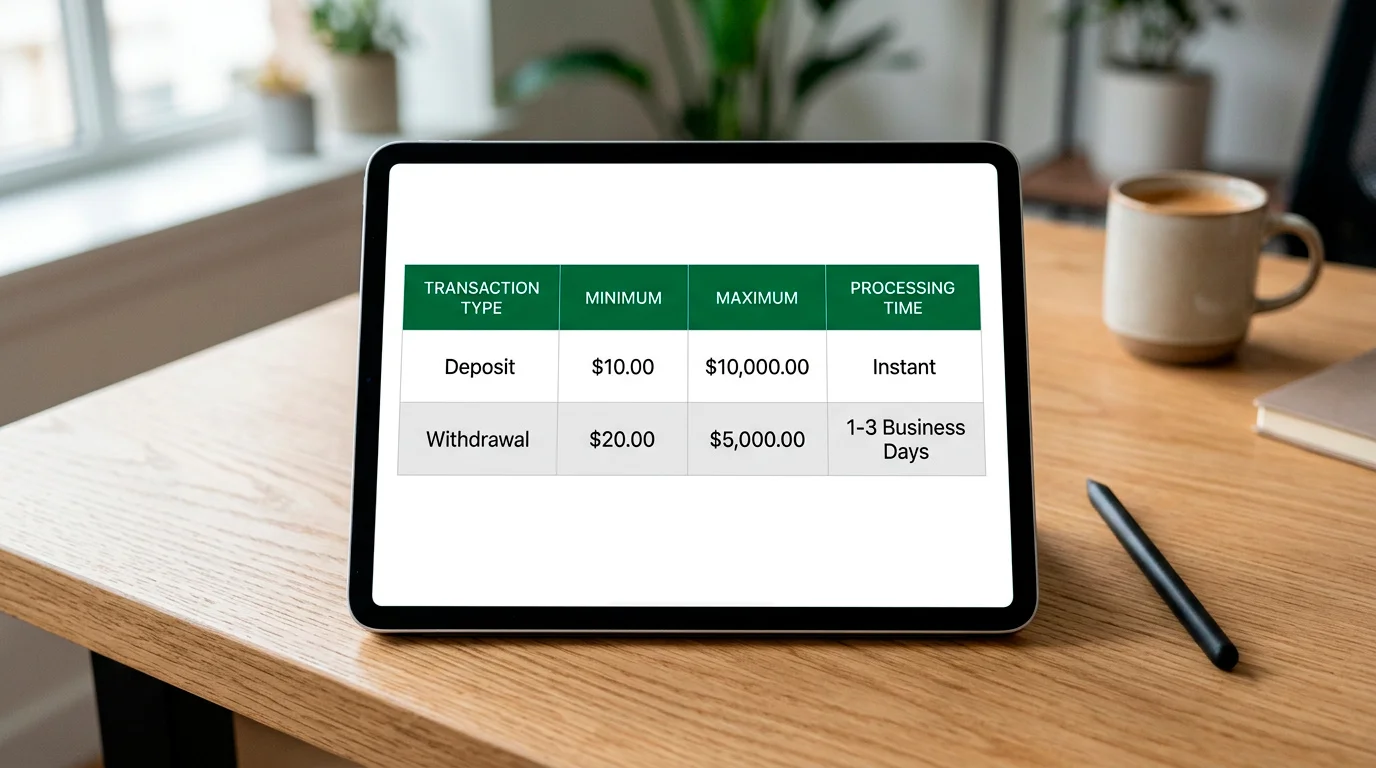
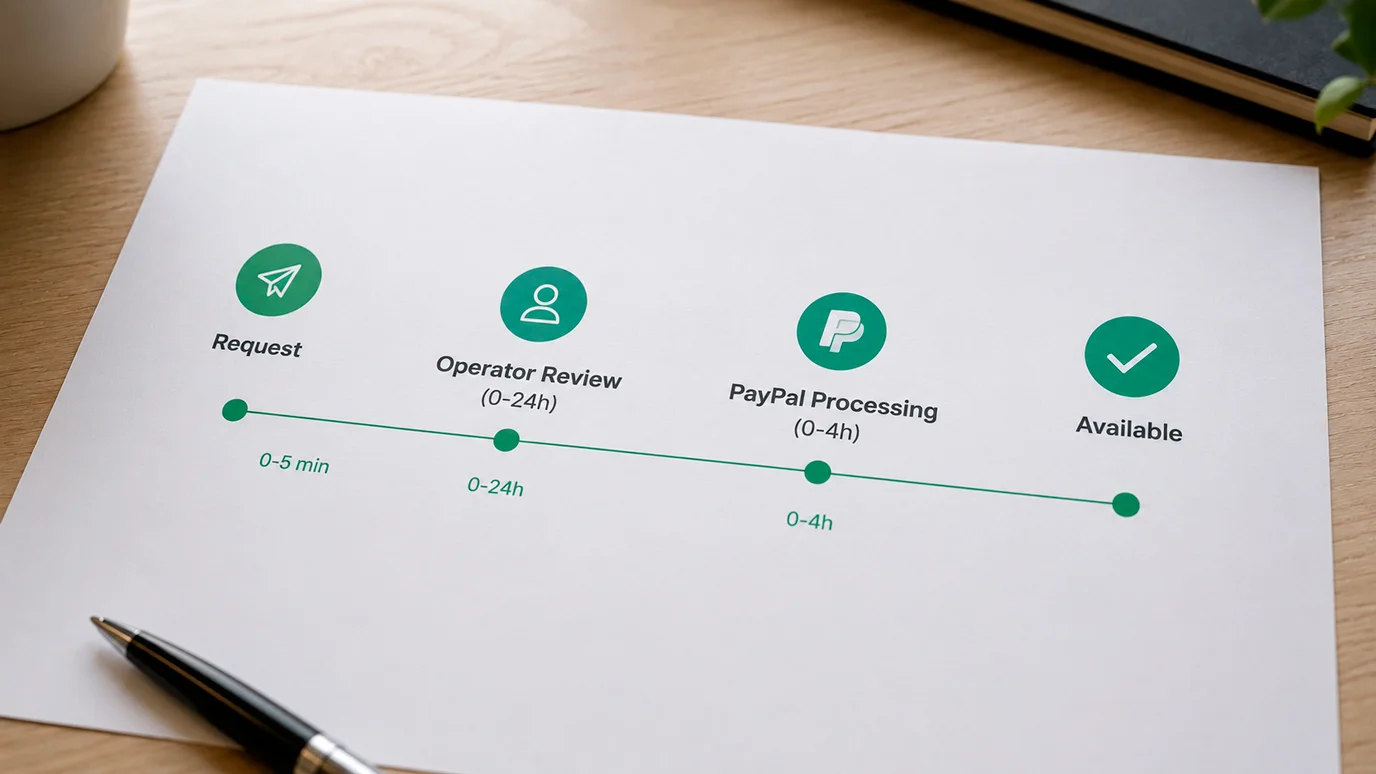
Withdrawal processing times are PayPal’s strongest selling point. Once the operator approves the withdrawal — and this is the critical qualifier — funds typically arrive in your PayPal account within minutes. The operator approval stage is where delays happen. First withdrawals require KYC verification, which can take 24 to 72 hours. Subsequent withdrawals at operators with fast-track processing can be approved in under an hour. The total time from clicking “withdraw” to seeing funds in your PayPal balance ranges from minutes (best case, pre-verified account) to three or four days (first withdrawal with manual KYC review).
Fees are straightforward: the vast majority of UK-licensed operators do not charge fees for PayPal deposits or withdrawals. PayPal’s fees are borne by the operator as a cost of offering the payment method. Players should not expect to pay transaction fees in either direction, and an operator that does charge for PayPal transactions is an outlier worth questioning.
PayPal vs Other E-Wallets: A Practical Comparison
I am occasionally asked why someone would use Skrill or Neteller instead of PayPal, given PayPal’s brand strength. The answer is availability and edge cases.
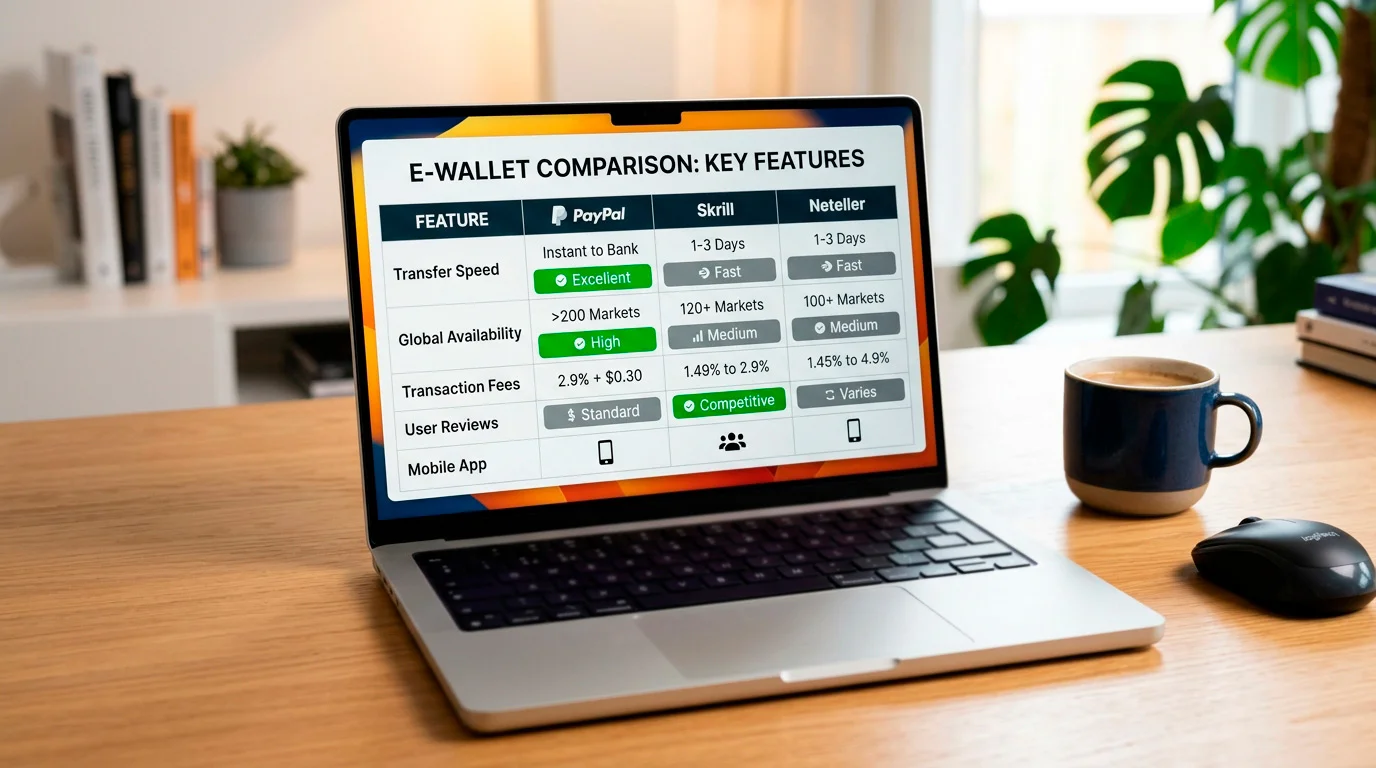
PayPal’s gambling merchant requirements mean it is available at roughly 40-50% of UKGC-licensed operators. Skrill and Neteller, both owned by Paysafe Group and purpose-built for online gambling, are accepted at a significantly higher percentage — closer to 80-90%. If your preferred casino does not accept PayPal, Skrill or Neteller are the next-closest alternatives in terms of transaction speed and account isolation.
Withdrawal speed is comparable across the three. All process operator-to-wallet transfers in minutes once approved. The difference lies in wallet-to-bank transfer times. PayPal typically transfers to UK bank accounts within one to two business days. Skrill and Neteller can take two to three business days for the same transfer, though both offer faster options for a fee.
One area where PayPal distinctly leads is consumer protection. PayPal’s buyer protection policies, while not specifically designed for gambling transactions, provide an additional dispute resolution layer that Skrill and Neteller do not match. If an operator fails to process a legitimate withdrawal, PayPal’s dispute process can sometimes recover funds — though success depends on the specific circumstances and PayPal’s determination of the case.
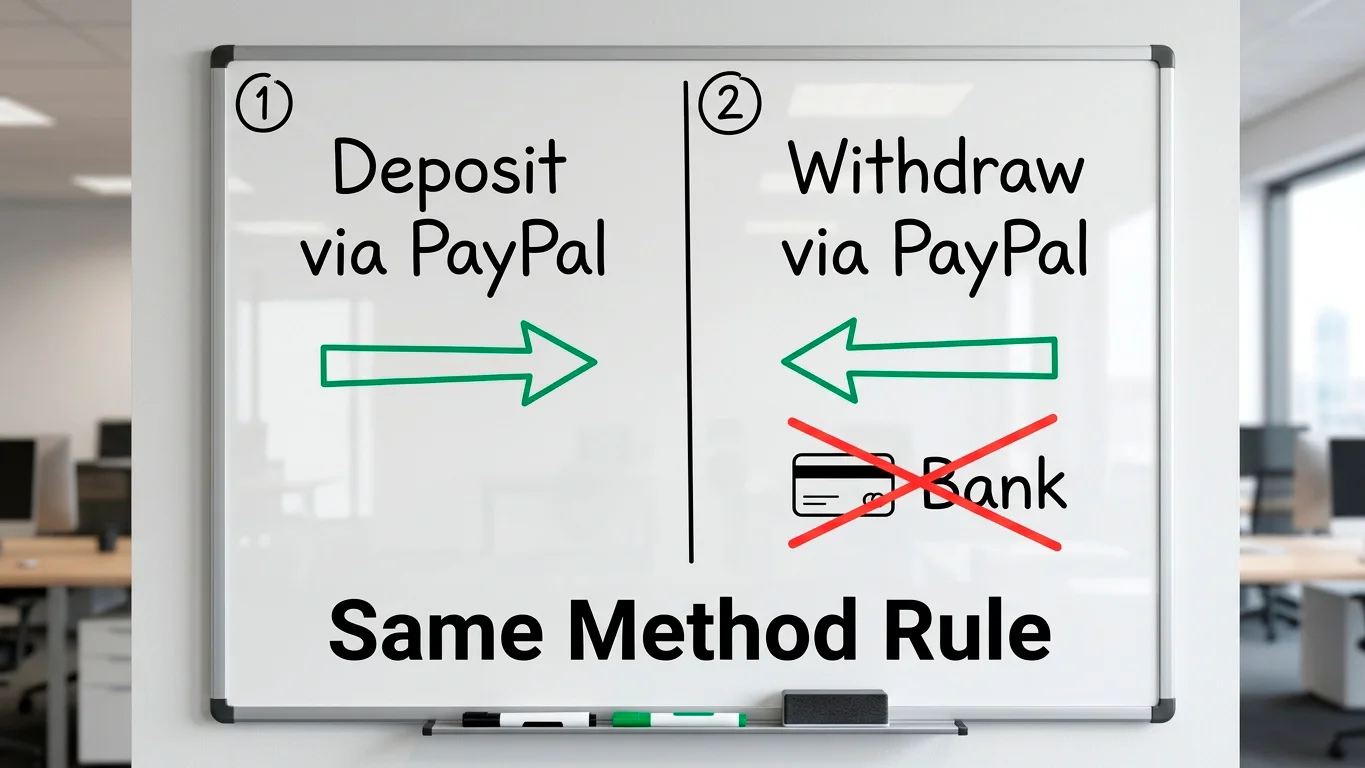
The same-method rule applies uniformly. Under UKGC licence conditions, operators must attempt to return withdrawals via the same method used for the most recent deposit. If you deposited via PayPal, your withdrawal will be directed to PayPal. If you deposited via debit card and then added PayPal later, the operator may still route the withdrawal to your debit card unless you have made a subsequent PayPal deposit. Understanding this rule prevents confusion when your withdrawal does not arrive where you expected it. For a broader comparison of withdrawal methods ranked by actual speed, the fast withdrawal casino guide covers the full landscape.
Articles
Prepared by the onlinecasinorealmoneyuk.com editorial staff.