


Free spins with no deposit attached are the closest thing the UK casino market has to a test drive. You register, receive a handful of spins on a pre-selected slot, and whatever lands in your balance is — theoretically — yours. I say theoretically because after eight years of reviewing operator licence conditions, the gap between what these offers promise and what they deliver remains one of the most misunderstood areas in UK gambling. The January 2026 wagering cap at 10x has changed the mechanics, but the underlying tension between marketing appeal and economic reality has not moved an inch.
The playthrough attached: the 10x wagering cap.

This is not a roundup of which sites offer what. It is a practical breakdown of how no-deposit free spins actually function once you strip away the headline, what the terms typically restrict, and what a realistic cashout path looks like under the current UKGC framework.
How No-Deposit Free Spins Work in Practice
I once walked a colleague through the lifecycle of a no-deposit free spin offer, and his reaction was: “So the spins are free, but the winnings aren’t.” That is a fair summary. The process starts at registration — you create an account, verify your identity (age and address at minimum), and the spins appear in your account. No payment card required, no deposit needed. So far, straightforward.
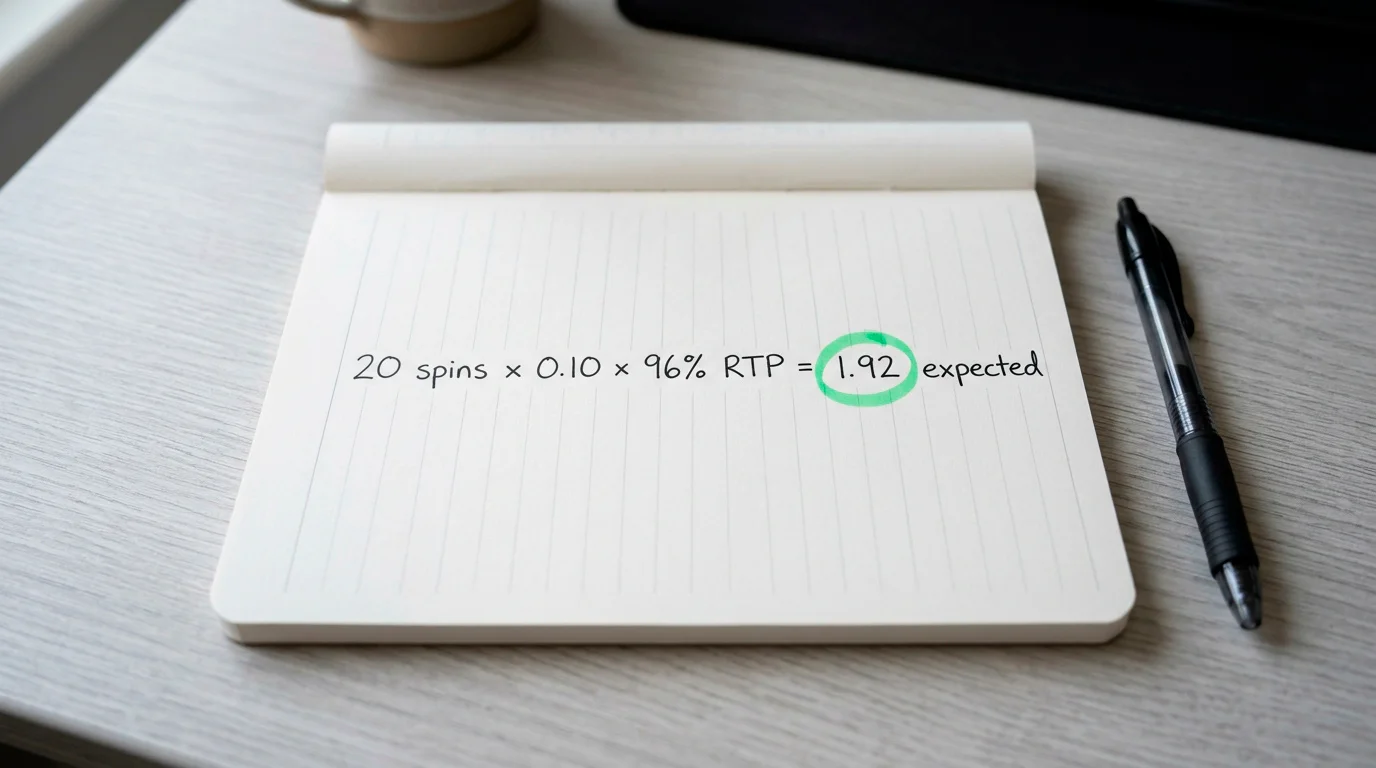
The spins themselves carry a fixed stake value set by the operator, typically between £0.05 and £0.20 per spin. You do not choose the bet size. You usually do not choose the game either — the spins are locked to a specific slot title, selected by the operator based on commercial arrangements with the game provider. This matters because the slot’s return-to-player percentage determines your expected outcome. The average RTP across UK-licensed online slots sits around 96%, and operators tend to assign free spins to titles at or slightly below that average. A slot with 94% RTP on 20 spins at £0.10 gives you an expected return of roughly £1.88. That is the mathematical reality before any terms apply.
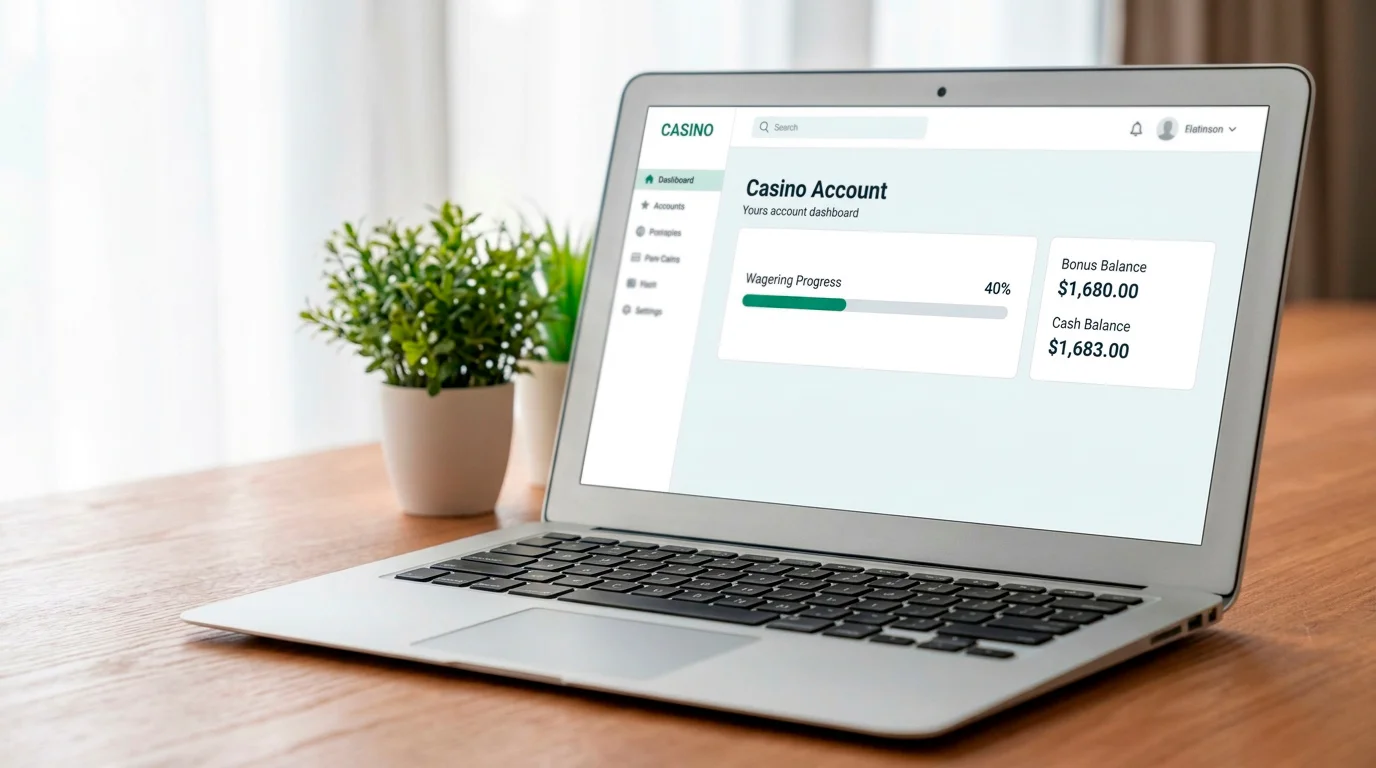
What happens next depends on the offer structure. In most cases, the winnings from your free spins land in a “bonus balance” rather than a “cash balance.” Under the current rules, the maximum wagering requirement the operator can attach to that bonus balance is 10x. If your 20 spins generate £3.50 in winnings, a 10x requirement means you need to wager £35 before you can withdraw. Some operators apply lower multipliers — 5x, 3x, or even 0x — but the 10x ceiling set by the UKGC since January 2026 is the upper bound.
Common Terms That Limit What You Actually Win
The wagering requirement gets the most attention, but in my experience reviewing promotional terms across dozens of licensed operators, three other restrictions do more to limit actual cashouts from no-deposit free spins.
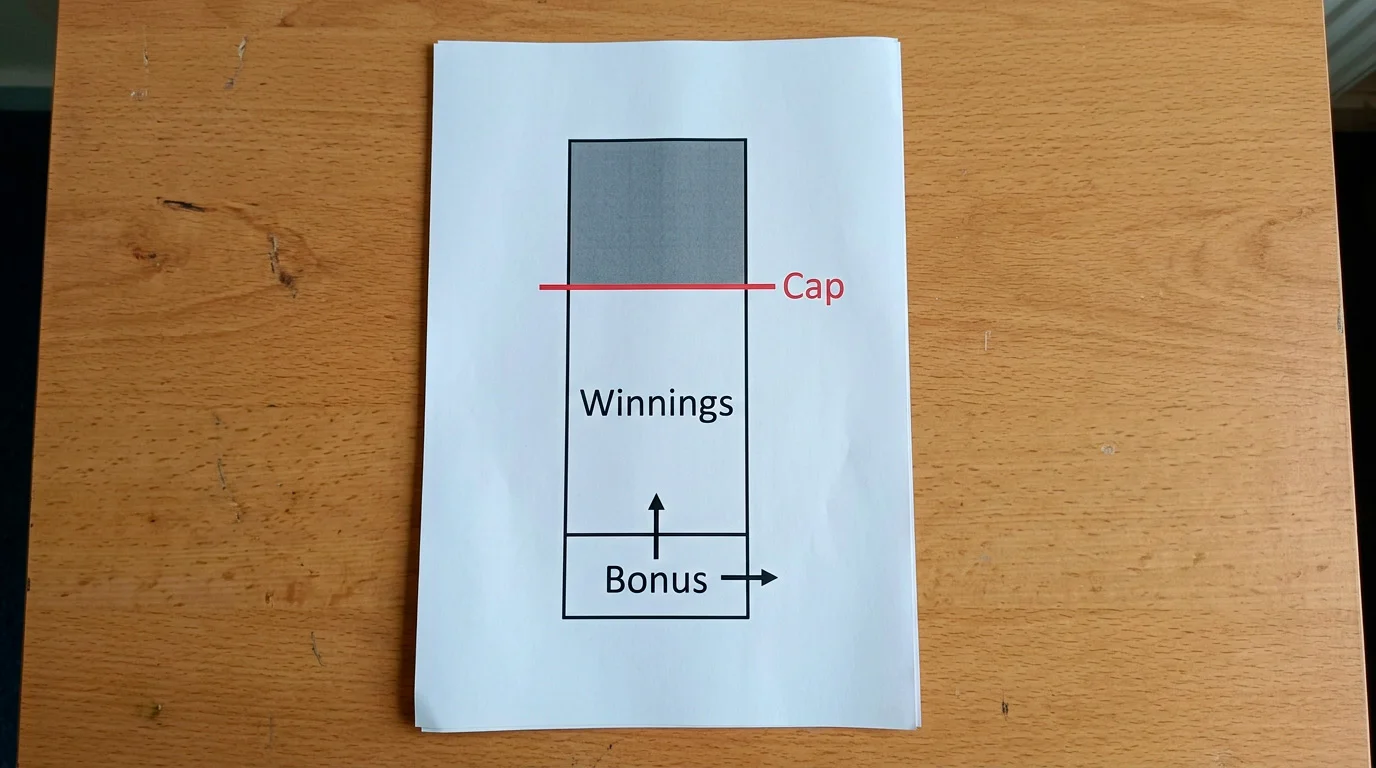
First, maximum win caps. Nearly every no-deposit offer includes a ceiling on what you can withdraw from bonus winnings. Typical caps range from £20 to £100. If you hit a significant win during your free spins — say, £250 on a lucky streak — the cap truncates your cashout to whatever the maximum allows. The rest simply vanishes from your balance. This is the single most important term in any no-deposit offer, and it is routinely buried in paragraph six of the promotional terms.
The full picture is in our guide to UK real-money online casinos.
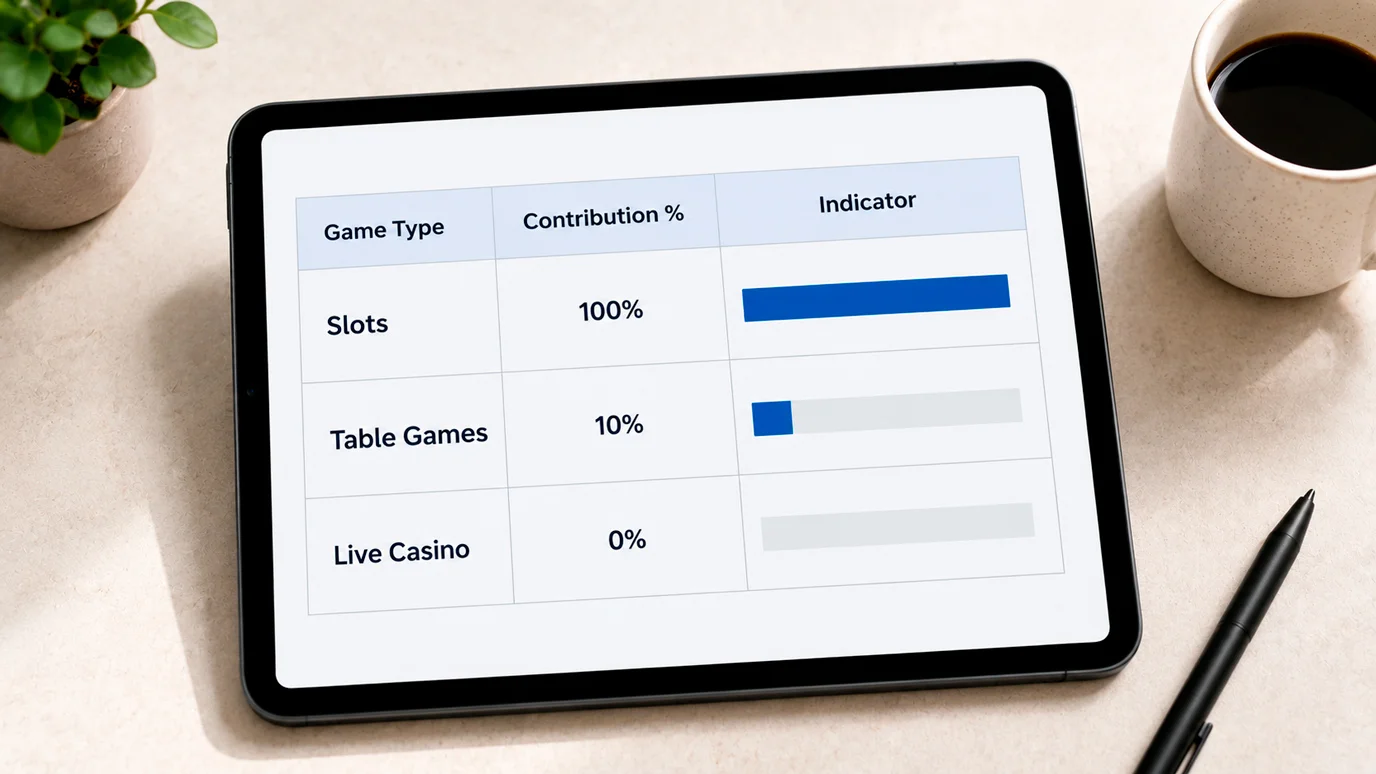
Second, game restrictions during wagering. Even after your free spins conclude and you begin wagering the winnings, not all games contribute equally. Slots typically contribute 100% toward wagering requirements, but table games and live dealer games often contribute 10% or nothing at all. If you try to clear a £35 wagering requirement by playing blackjack at 10% contribution, you would need to wager £350 in practice. The game weighting table is usually available in the general bonus terms rather than the specific promotion page, which means most players never see it.
Third, time limits. Bonus winnings from free spins commonly expire within 7 to 30 days. If you have not met the wagering requirement within that window, the bonus balance and any accumulated winnings are forfeited. I have reviewed cases during compliance audits where players completed 90% of their wagering requirement only to lose everything because the window closed before they finished. The clock starts when the bonus is credited, not when you begin playing.
There is a fourth constraint worth noting: maximum bet limits while wagering. Most operators cap individual bets at £5 (or lower) when you are playing with bonus funds. Placing a bet above this limit can void the entire bonus. This is partly a regulatory safeguard and partly an operator protection against variance — a single high-stakes win could convert a small bonus into a large withdrawal obligation.
Step-by-Step: From Registration to Cashout
Having seen the process from the operator’s side of the compliance desk, I can map out what actually happens between clicking “register” and seeing real money in your bank account. There are more steps than most players expect.
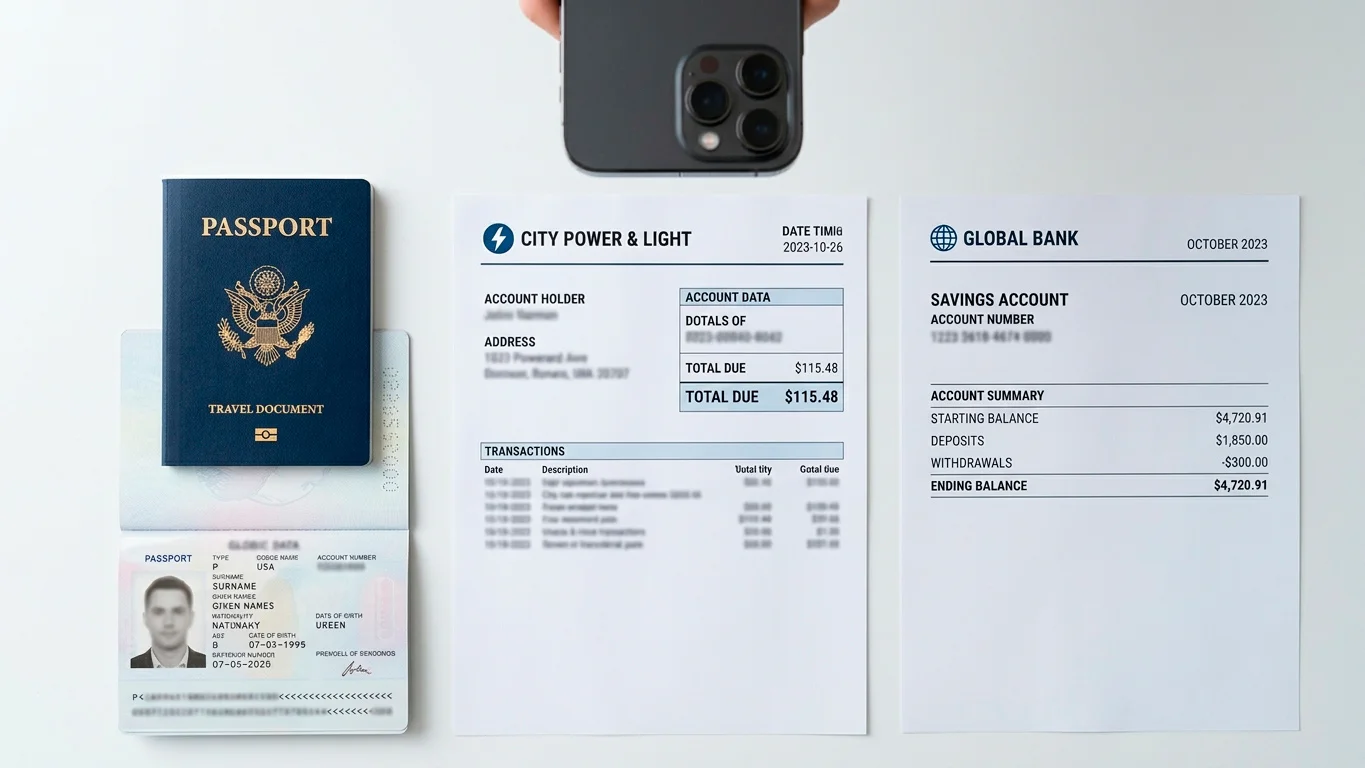
Registration and identity verification come first. Under UKGC licence conditions, operators must verify your age before you can gamble, including playing free spins. Most use electronic verification (checking your name, date of birth, and address against databases), which takes seconds. If electronic checks fail, you will be asked for documentation — passport or driving licence, plus a utility bill or bank statement. Until verification completes, your free spins may be credited but unplayable.
Once verified, the spins become active. You play them on the designated slot, and your winnings accumulate in your bonus balance. At this point, check three numbers: the total won, the wagering multiplier applied, and the maximum cashout cap. If you won £4.00 with a 10x requirement, you need £40 in total wagers. If the cap is £50, anything you accumulate above £50 during wagering is irrelevant.
During the wagering phase, you are effectively playing with bonus funds. The operator tracks your total wagered amount against the requirement. Once you hit the threshold, the remaining bonus balance converts to withdrawable cash — up to the maximum cap. At this point, you request a withdrawal. The operator processes it through your verified payment method, applying the same-method rule if applicable. For those unfamiliar with how wagering interacts with different bonus types, the analysis of no-wagering bonuses covers the structural differences.
First withdrawals typically take longer due to additional KYC checks. Expect 24 to 72 hours for processing on a first cashout, even if the amount is modest. Subsequent withdrawals tend to be faster, but for a no-deposit free spin offer, this is often a player’s very first interaction with the operator, meaning full verification applies.
The entire process — registration, verification, spinning, wagering, withdrawal request, processing — can take anywhere from a few hours to several weeks depending on how quickly you clear the wagering requirement and how fast the operator processes payments. The “free” in free spins refers to the absence of a deposit, not to the absence of time, terms, and administrative friction.
Articles
Prepared by the onlinecasinorealmoneyuk.com editorial staff.