


The UK occupies 9.4% of the global online gambling market — the largest share of any single European country — and that position exists because the legal framework here is among the most permissive and most structured in the world simultaneously. Online casino gambling is legal in the UK. It has been since the Gambling Act 2005 created the regulatory architecture that governs the industry today. But “legal” is not a simple yes-or-no answer; it comes with boundaries, obligations, and distinctions that matter if you care about where your money goes and what protections you have if something goes wrong.
What a licence actually protects: safe online casinos.
The Gambling Act 2005: What It Permits and What It Prohibits
I often find myself correcting a misconception that the Gambling Act legalised gambling in the UK. It did not — gambling was already legal under earlier legislation. What the 2005 Act did was consolidate and modernise the regulatory framework, creating the Gambling Commission as the single regulator and establishing the licensing system that every legal operator must hold. The Act received Royal Assent in 2005 and came into full force in September 2007.
The Act permits gambling — including casino games, sports betting, bingo, and lotteries — provided the operator holds a licence from the Gambling Commission. For online operators, this means a “remote operating licence” specific to the type of gambling offered (remote casino, remote betting, remote bingo, etc.). Any operator offering gambling services to UK consumers must hold the appropriate licence, regardless of where the operator is physically based. A company headquartered in Malta, Gibraltar, or the Isle of Man must still hold a UKGC remote licence to legally serve UK players.
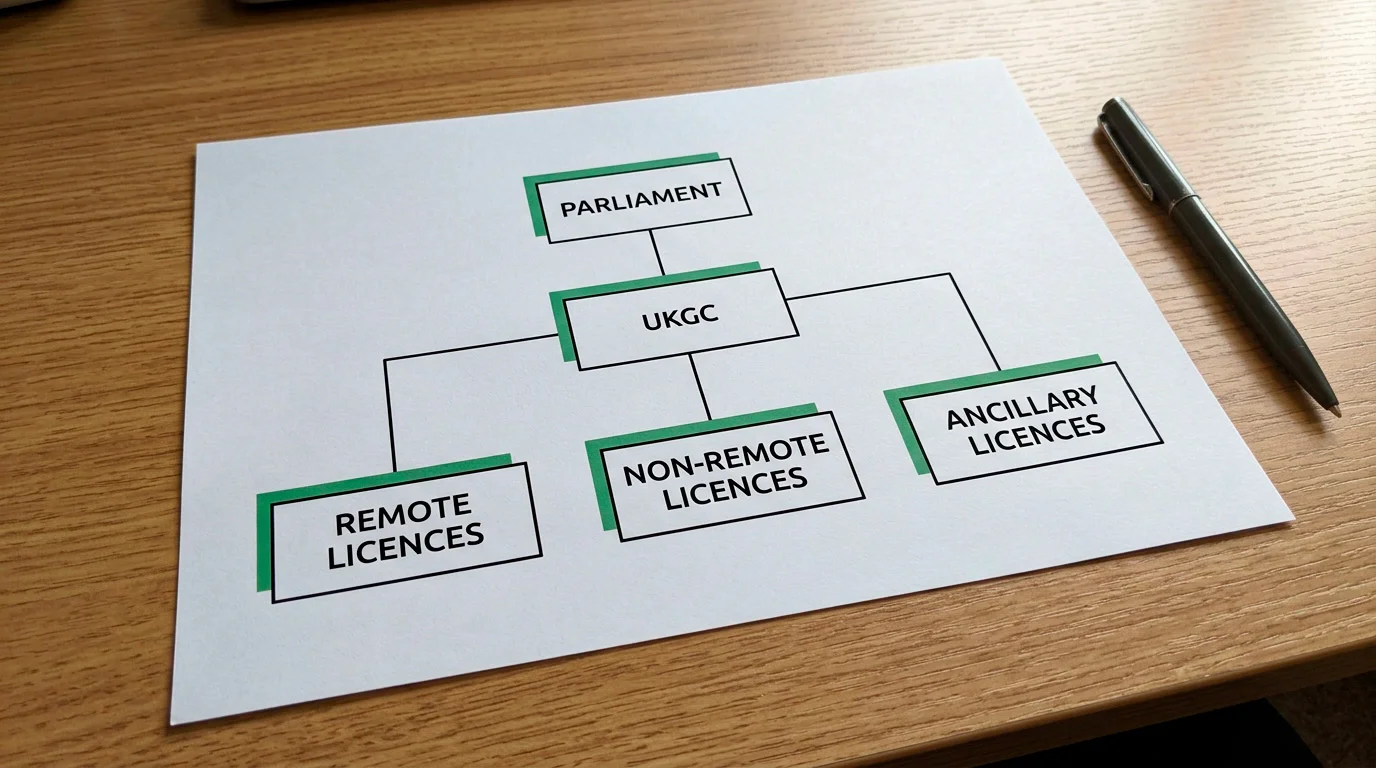
What the Act prohibits is operating without a licence. It is a criminal offence under Section 33 for a company to provide gambling facilities to UK consumers without UKGC authorisation. The penalties include unlimited fines and imprisonment. For players, however, the Act does not criminalise the act of gambling at an unlicensed operator — the legal liability falls on the operator, not the customer. This distinction matters for the grey area discussion that follows.
The Act also sets the three licensing objectives that the Gambling Commission must uphold: preventing gambling from being a source of crime or disorder, ensuring gambling is conducted fairly, and protecting children and vulnerable persons. Every regulatory intervention — from stake limits to bonus caps to verification requirements — traces back to these three objectives.
Player Obligations: Age, Location, and Tax on Winnings
Andrew Rhodes, who led the Gambling Commission through its most intensive reform period before stepping down in early 2026, described his tenure as focused on strengthening regulation and ensuring consumer protection remained central to the Commission’s work. The protections Rhodes oversaw include the framework of obligations that players must meet to participate legally.
Age is the first and most absolute requirement. You must be 18 or over to gamble at any UK casino, online or land-based. Operators are required to verify age before allowing play — not before allowing a deposit, before allowing play. Electronic age verification happens during registration and must be completed before any gambling activity can take place. Providing false age information during registration is grounds for account closure, forfeiture of any balance, and potential criminal liability under fraud statutes.
Location matters for regulatory purposes. UKGC licences authorise operators to serve customers located in the UK. If you are a UK resident travelling abroad, your access to your UK casino account may be restricted depending on the local gambling laws of the country you are in. Conversely, some UKGC-licensed operators accept players from other jurisdictions under separate licences. The protections guaranteed by your UKGC licence apply when you are gambling from the UK — when you gamble from abroad, the protections of that jurisdiction (if any) apply instead.

Tax on winnings is the question I receive most often, and the answer is simple: gambling winnings are not taxable income for UK players. The tax burden falls entirely on the operator through the Remote Gaming Duty (currently 40% of gross gaming yield) and general corporate taxation. You do not need to declare casino winnings on your tax return, and no tax is deducted at source. Approximately 48% of UK adults reported participating in some form of gambling in the most recent reporting period — if winnings were taxable, the administrative burden on HMRC would be staggering.
The full picture is in our guide to UK real-money online casinos.
Playing at Non-UK-Licensed Sites: Legal Grey Area or Clear Breach?
This is where the legal picture becomes genuinely murky. As established, the Gambling Act criminalises unlicensed operators serving UK customers, not UK customers using unlicensed operators. You will not be prosecuted for playing at an offshore site. But “not criminal” and “safe” are very different statements.
Playing at a non-UKGC-licensed site means operating without the protections the licence guarantees: segregated customer funds, mandatory dispute resolution through an approved ADR provider, GAMSTOP self-exclusion coverage, stake limits, wagering caps, and regulatory oversight of the operator’s business practices. If a non-UKGC operator refuses to pay a legitimate win, your recourse is limited to whatever jurisdiction the operator is licensed in — which may be minimal or practically unenforceable from the UK.
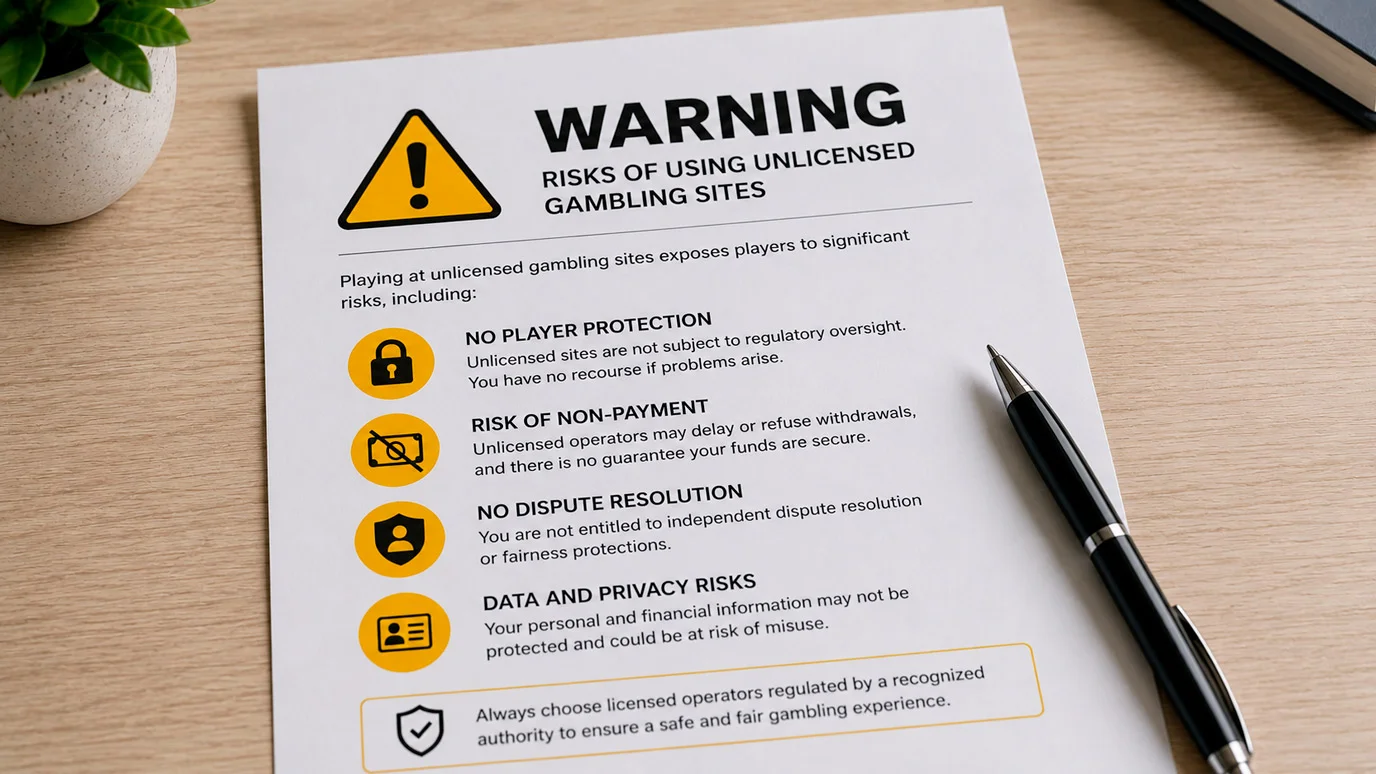
The scale of this grey market is substantial. Operators without UKGC licences continue to serve UK players through offshore platforms, and the regulatory enforcement challenge is ongoing. The question of whether to play at such sites is not a legal one for the player — it is a risk assessment. The legal framework does not prohibit you from doing so, but it also does not protect you if you do.
For those interested in how the UKGC’s licensing system functions as a practical safeguard, the casino verification guide explains the KYC and AML framework that licensed operators are required to maintain.
Articles
Prepared by the onlinecasinorealmoneyuk.com editorial staff.